
Сочельник: что это за праздник
Предпразднество Христова Рождества — особый день в жизни христианина.
День накануне праздника Рождества Христова называется сочельником. Что такое сочельник, в чем смысл этого праздника и как христиане должны отмечать этот день?
Сочельник — что это за праздник? Каковы его традиции? Обо всём, что связано с Сочельником, Вы сможете узнать, прочитав нашу статью.
Рождественский Сочельник
Собственно говоря, сочельник — это не совсем праздник. Церковное название этого дня: «предпразднество Рождества Христова». Получается, что сочельник предваряет один из главных христианских праздников, служит, образно говоря, дверью в празднование Рождества Христова.
Слово «сочельник» берет свое название от сочива, основного блюда этого дня. Впрочем, устав допускает приготовление вместо сочива кутии. Как сочиво, так и кутья готовятся из вареных или пропаренных зерен злаковых культур и приправляются медом.
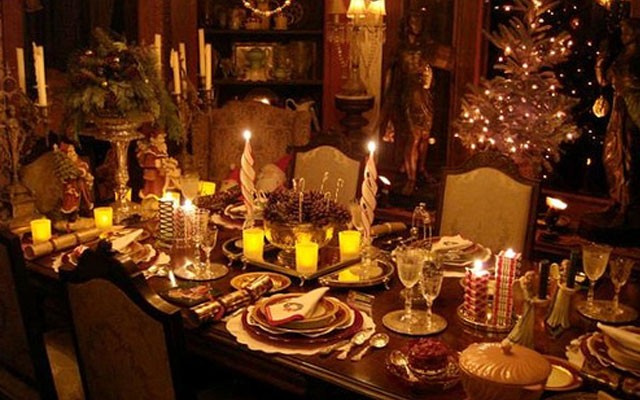
Кстати, если следовать уставу, сочиво и кутья являются праздничным, хотя и и постным блюдом сочельника, но этим не ограничивается стол в сочельник. По уставу есть в этот день полагается лишь один раз, после вечернего богослужения, но растительное масло и вино допускаются к употреблению. Нельзя есть лишь скоромную пищу и рыбу. Впрочем, это монастырский устав, строгость воздержания в миру следует согласовывать с приходским священником или же духовником.
Предпразднество Христова Рождества — особый день в жизни христианина. Богослужение в храме полностью посвящено наступающему празднику. Оно отличается по своему чину как от будничных служб, так и от чина богослужения в сам день Рождества Христова. Завершается богослужение пением тропаря Рождества. Можно обратить внимание на то, что богослужебные песнопения, посвященные Рождеству Христову, звучат в храме задолго до наступления самого праздника. Так Церковь готовит своих чад к наступающему торжеству.
Сочельник: традиции
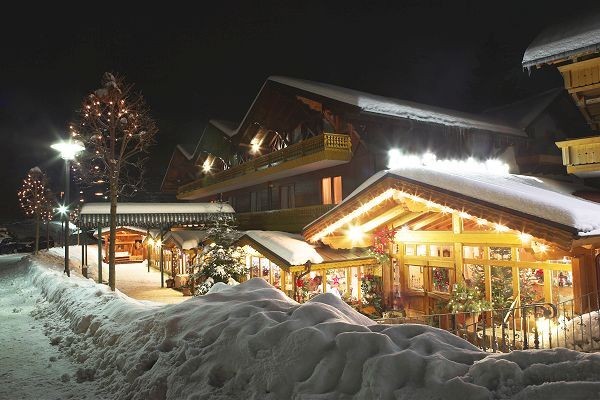
Существует много разных традиций празднования сочельника. В некоторых местностях уже с вечера начинают поздравлять друзей и знакомых с Рождеством Христовым, в других местах этот день проводят в кругу семьи за особой трапезой с кутьей или сочивом. Главное — выделить день, предшествующий великому христианскому празднику, подготовиться к радостному событию воспоминания Рождения Богочеловека Христа. В сочельник, как и в сам день Рождества Христова желательно подготовиться к причащению Святых Христовых Таин, заранее исповедаться и, если священник благословит причаститься, соединиться со Христом, причастившись Его Божественных Тела и Крови.
Сочельником также называют день, предшествующий празднику Богоявления — Крещения Господня. Время между Рождеством Христовым и навечерием Богоявления — крещенским сочельником называют святками. В эти дни нет поста, в храмах поются рождественские песнопения а христиане поздравляют друг друга с радостным событием прихода в мир Спасителя — Рождеством Христовым.
Читайте также:
- Победить самого себя: Апостол в Крещенский сочельник
- Рождественский сочельник и Рождество Христово
Поскольку вы здесь…
У нас есть небольшая просьба. Эту историю удалось рассказать благодаря поддержке читателей. Даже самое небольшое ежемесячное пожертвование помогает работать редакции и создавать важные материалы для людей.
Сейчас ваша помощь нужна как никогда.
- Рождественский сочельник в Календаре
- Крещенский сочельник в Календаре
- Заметки в Сочельник о некоторых традициях В. Кутковой
- Как провести рождественский сочельник
- Когда оканчивать пост в Рождественский сочельник? архиеп. Аверкий (Таушев)
- Для чего в навечерие Рождества Христова учрежден сочельник? свт. Филарет (Дроздов)
Соче́льник (навечерие) – день накануне праздника Рождества Христова (Рождественский сочельник) или Богоявления (Крещенский сочельник).
Происходит от слова «сочиво» – размоченные в воде зерна пшеницы, ржи, овса, по традиции блюдо, вкушаемое в этот день).
Это день строгого поста.

В сочельник служатся царские часы и совершается Литургия св. Василия Великого. Если сочельник придется в субботу или воскресение, то царские часы совершаются в пятницу, а в сочельник бывает Литургия св. Иоанна Златоуста. Литургия св. Василия Великого служится в сам день праздника.
Сколько у нас навечерий/сочельников и когда они празднуются?
Хотя в буквальном смысле слово «навечерие» означает канун или вчерашний день по отношению к празднику, в церковной традиции этот термин применяется только к двум праздникам: Рождеству Христову и Богоявлению. Кануны остальных праздников называются просто предпразднствами. Это различие обусловлено двумя причинами:
- Остальные праздники имеют один день предпразднства, потому привычный термин «предпразднство» одновременно обозначает канун праздника. Например, когда мы говорим «Предпразднство Преображения Господня, сразу понятно, что речь идет о 5 (18) августа. Однако у Рождества Христова и Богоявления несколько дней предпразднства, потому для обозначения дня непосредственно перед праздником нужен особый термин. Как раз таким термином является «навечерие».
- В навечерия Рождества Христова и Богоявления совершается богослужение по особому, уникальному чину (см. ниже). Потому термин «навечерие» может относиться не только к дню, но и к церковному богослужению этого дня.
Таким образом, в Православной Церкви два навечерия: 6 января (24 декабря по старому стилю) – навечерие Рождества Христова и 18 января (старый стиль – 5 января) – навечерие Богоявления.
Оба навечерия еще называются «сочельниками» по причине употребления «сочива» на вечерней трапезе. Правда, указание о вкушении сочива в Типиконе дается только для навечерия Рождества Христова и только для того более редкого варианта, когда навечерие случается в субботу или неделю. Однако это частное указание стало причиной того, что в обиходе оба дня (6 и 18 января) называются «сочельниками».
Еще раз следует отметить: уставное название обоих дней – «навечерия», «сочельниками» же они называются в быту и в литературе.
Древность поста в навечерия Рождества Христова и Богоявления.
В Древней Церкви в III веке праздновали совмещенный праздник Богоявления 6 января – соединение воспоминаний Рождества Христова и Крещения Господня. В связи с этим возник и крещенский сочельник 5 января как постный день, в который литургия совершалась после полудня и соответственно трапеза была только вечером. Таким образом, крещенский сочельник – древнейший однодневный пост.
Впоследствии в IV – VI вв. (в разных Поместных Церквах по-разному) произошло разделение праздников, и Рождество Христово было перенесено на 25 декабря. Потому появился еще и рождественский сочельник 24 декабря по аналогии с постом 5 января.
О богослужениях в сочельник.
Для обоих сочельников характерен особый устав богослужения; при этом правила Устава одинаковы для обоих праздников и единственным отличием является совершение в навечерие Богоявления великого освящения воды в конце литургии по заамвонной молитве.
Богослужение совершается по одному из двух вариантов в зависимости от дня, в который случится навечерие:
Вариант I. Сочельник в понедельник – пятницу (будний день). Службы: великие часы, изобразительны, вечерню с литургией святителя Василия Великого (в навечерие Богоявления добавляется великое освящение воды).
Вариант II. Сочельник в субботу или воскресенье: службы из предыдущего варианта распределяются по трем дням:
· великие часы и изобразительны переносятся на пятницу и в эту пятницу отменяется литургия;
· в само навечерие совершается литургия святителя Иоанна Златоуста и потом отдельно от нее великая вечерня (в навечерие Богоявления после великой вечерни добавляется великое освящение воды).
· в сам праздник служим литургию святителя Василия Великого (после нее – еще раз великое освящение воды, если это – праздник Богоявления).
Заметим, что по Уставу литургия в соединении в вечерней в 1‑м варианте и великая вечерня после литургии во 2‑м варианте должны совершаться после полудня, однако в нашей практике все указанные выше службы сочельника совершаются утром.
Интересный момент: в конкретном году или службы обоих праздников совершаются по варианту I, или службы одного праздника совершаются по варианту I, тогда как другого – по варианту II. Не бывает такого, чтобы по варианту II в конкретном году совершались службы в навечерия обоих праздников.
Навечерие как день строгого поста.
Многие знают, что сочельник (и Рождественский, и Крещенский) – день строгого поста. Однако в чем конкретно состоит пост сочельника? Для ответа на этот вопрос нужно различать пост в древнем понимании и в современном значении этого слова. В древности пост – полный отказ от пищи в течение дня до вечера; в таких случаях единственной трапезой был ужин (тогда как сейчас мы под «постом» понимаем только ограничение на вкушение пищи животного происхождения). Когда навечерие называется днем строгого поста, имеется в виду пост в первом, древнем понимании.
Правила о посте и трапезе в Сочельник связаны с богослужениями и с обозначенными выше двумя вариантами.
В варианте I навечерие Рождества Христова считается днем строгого поста, причем строгость поста здесь не в качестве пищи, а в количестве ее приемов. Так как здесь вечерня в соединении с литургией совершается после полудня, то и полагается только одна трапеза в день – ужин. При этом ужин с употреблением «елея и вина» — то есть средняя степень поста. Таким образом, строгий поста сочельника предполагает не употребление в течение дня только «хлеба и воды» (как многие могут подумать, увидев выражение «строгий пост»), а наличие только одной трапезы с «вином и елеем».
В варианте II допускается две трапезы и потому Типикон говорит, что «пост не бывает». Это нужно понимать не в нашем восприятии поста как воздержания от скоромной пищи, а в более древнем и изначальном значении термина – нет воздержания от пищи до вечера. Утром совершается литургия и после нее полагается скромный, символический обед. После полудня совершается вечерня, после нее – более плотный ужин с вином и елеем.
В нашей практике все службы навечерия совершаются утром, потому после окончания такой службы вполне допустима нормальная постная трапеза. Однозначно можно сказать: те, кто участвовал в богослужении, после его окончания вполне имеют право покушать днем, так как участие в литургии предполагает трапезу после нее. Что же касается тех, кто не был в храме утром в навечерие Рождества Христова, то вопрос о посте для них остается открытым: они могут и покушать после окончания дневного богослужения в храме, но могут в качестве добровольного подвига и компенсации за пропущенное богослужение дождаться вечера.
«До первой звезды». Многие церковные и не вполне воцерковленные люди знакомы с утверждением, что в сочельник нельзя есть до «первой звезды». На самом деле такая характеристика справедлива частично. Как отмечено выше, в случае сочельника в седмичный день единственная трапеза по Уставу – ужин, который полагается после вечерни в соединении с литургией святителя Василия Великого. Эта служба по Типикону начинается «в 7‑м часу дня», то есть примерно в 13.00 по нашему времени; в таком случае закончится она около 17.00. Учитывая, что это – зимнее время, когда темнеет рано, вполне велика вероятность, что на небе в это время уже будут видны звезды. Таким образом, уставное время трапезы примерно совпадает с появлением условной «первой звезды». Однако важно понять, что сам факт появления «первой звезды» никогда не рассматривался Церковью как «индикатор» разрешения поста Сочельника!
О трапезе в сочельник.
Приведем указания Типикона о пище в сочельники.
Рождественский сочельник:
- в седмичный день: ужин — «ядим варение со елеем, рыбы же не ядим. Вино же пием, благодаряще Бога».
- в субботу или воскресенье: дневная трапеза – «снедаем по уломку хлеба, и от вина вкушаем мало» (очень скромная, чисто символическая), ужин – «входим в трапезу и ядим совершенно: рыбы же не ядим, но со древяномаслием, и сочиво обварено, или кутию с медом: испиваем же и вина в славу Божию».
Крещенский сочельник:
- в седмичный день: только ужин, отдельных указаний нет, дается отсылка к навечерию Рождества Христова.
- в субботу или воскресенье: дневная трапеза – «по отпущении же литургии ядим укрухи, и пием по единой чаши вина», ужин – «совершенно же ядим по отпусте вечерни, со елеем».
Как видно, указание относительно «сочива» дается только в одном случае, более редком – ужин после великой вечерни Рождества Христова, когда она совершается в субботу или воскресенье. В остальных случаях говорится об обычной постной трапезе с «вином и елеем». Таким образом, необязательно есть только сочиво, можно приготовить и другие постные кушанья. При этом типикон предупреждает: «сыра же и яиц и рыб никакоже дерзнем коснутися».
В наше время многие электронные ресурсы говорят о традиции приготовления в сочельник 12 постных блюд. Подобная псевдотрадиция принципиально не соответствует церковному Уставу! Важно помнить, что особые правила насчет поста в этот день предполагают ограничения в количестве постной пищи, потому трапеза должна быть стандартной, не изобилующей постными яствами.
Традиции
Нет нужды говорить о гаданиях и прочих псевдонародных и нецерковных обычаях, которые практикуются невежественными людьми и связываются с сочельниками. Отметим только нормальные обычаи, которые можно считать приемлемыми для православных христиан.
- Уборка дома. Есть вполне нормальная традиция в сочельник убирать дом и готовить его к встрече праздника. В этом смысле «сочельник» можно уподобить Великому Четвергу, когда принято готовить храмы и дома к празднику Пасхи. Впрочем, необязательно генеральную уборку привязывать к сочельнику, можно ее сделать заблаговременно, учитывая, что в сочельник лучше прийти в храм и принять участие в богослужении (тем более что службы сочельника продолжительные и утомительные).
- Приготовление «сочива» или кутьи. Сочиво — размоченные в воде зерна пшеницы, ржи, овса; на практике многие варят кашу из цельных зерен указанных культур или из риса. Эту кашу сдабривают медом, добавляют орехи и изюм. Хотя буква Устава предписывает кушать сочиво только в случае навечерия Рождества Христова в субботу или неделю, в реальности его можно готовить во всех случаях. Впрочем, при желании необязательно есть именно кутью, можно приготовить другую постную еду, о чем скажем далее.
- Посещение своих крестных и угощение их кутьей. В Рождественский сочельник есть вполне достойный обычай: верующие угощают кутьей своих восприемников. Сама по себе традиция посетить крестную или крестного и поздравить его с наступающим праздником трогательна и красива, хотя в реальности такая возможность имеется нечасто.
***
архиепископ Аверкий (Таушев)
По народному обычаю, принятому у нас в России, пища не вкушается в Рождественский сочельник до звезды, а в Крещенский сочельник до освящения воды. Но если Богослужение совершается полностью всё, без всяких пропусков и в положенное по уставу время, то оно и кончается в Рождественский сочельник как раз приблизительно ко времени появления первой звезды на небе, а равным образом и освящение воды в Крещенский сочельник оканчивается ко времени наступления вечера, когда и вкушается пища. Ведь по уставу Божественная литургия, соединяемая с вечерней, после которой происходит «славление праздника» (пение тропаря и кондака праздника), в Рождественский сочельник должна начинаться «при часе 7‑м дне», то есть по нашему – около 1 часу дня, а в Крещенский сочельник – «при часе 5 дне», то есть около 11 часов дня. В приходской практике это не всегда легко осуществимо, да и Богослужение совершается не всегда полностью, как положено, а потому и оканчивается оно значительно раньше наступления вечера.
Рождественский сочельник празднуют во многих странах люди разных конфессий. Это последний день поста перед Рождеством, к нему принято готовиться духовно и физически. Верующие стремятся очистить свои помыслы и провести день в тихой молитве, а вечером собраться с родными за праздничным ужином после восхода первой вечерней звезды.
Независимо от конфессии и местонахождения каждый человек в Рождественский Сочельник 2023 надеется обрести радость, умиротворение и благие помыслы, прикоснуться к великому таинству, которое очистит мысли от всего незначительного и малодушного. О традициях этого великого дня в православии и католицизме читайте в нашем материале.
Православный Рождественский сочельник
Рождественский сочельник, или Навечерие Рождества Христова — день перед рождением Христа, который проходит у православных христиан в молитвах и смирении, в радостном предвкушении значимого и светлого праздника.
Верующие в течение всего дня соблюдают строгий пост, а «после первой звезды», олицетворяющей появление звезды Вифлеемской, собираются за общим столом и вкушают сочиво. Это традиционное блюдо, в составе которого — крупа, мед и сухофрукты.
В храме в этот день проходят красивые службы. Важной их частью становится вынос священником в центр храма зажженной свечи, как символа загоревшейся звезды на закатном небе.
В Рождественский сочельник служат «царские часы» — название сохранилось с времен, когда на празднике в церкви присутствовали венценосные особы. Читаются отрывки из Священного Писания, в которых говорится о долгожданном приходе Спасителя, о пророчествах, которые обещали его пришествие.
Когда отмечается
Рождественский сочельник православные христиане отмечают 6 января. Это последний и самый строгий день сорокадневного поста, в который запрещается принимать пищу до позднего вечера.
Традиции
Православные христиане издавна проводили сочельник в церкви за молитвами. Те, кто этого сделать не мог, готовились к восходу звезды дома. Все члены семьи одевались в праздничные одежды, стол накрывали белой скатертью, под нее было принято класть сено, которое олицетворяло место, где родился Спаситель. К праздничной трапезе готовили двенадцать постных блюд — по числу апостолов. На столе обязательно присутствовала рисовая или пшеничная кутья, узвар из сухофруктов, печеная рыба, ягодный кисель, а также орехи, овощи, пироги и пряники.

В доме ставили ель, под которую клали подарки. Они символизировали дары, принесенные младенцу Иисусу после рождения. Дом украшался еловыми ветками и свечами.
Трапеза начиналась с общей молитвы. За столом каждый должен был отведать все блюда, невзирая на свои вкусовые предпочтения. Мясо в этот день не ели, горячие блюда тоже не подавались, чтобы хозяйка всегда могла присутствовать за столом. Несмотря на то, что праздник считался семейным, за стол приглашали одиноких знакомых и соседей.
Начиная с вечера 6 января дети отправлялись колядовать. Они ходили по домам и пели песни, неся благую весть о рождении Христа, за что получали в качестве благодарности сладости и монетки.
В Сочельник верующие стремились освободиться от негативных мыслей и дурных помыслов, все религиозные традиции были направлены на воспитание гуманизма и доброжелательного отношения к окружающим. Некоторые из этих традиций сохранились по сей день и прививаются будущим поколениям.
Католический Рождественский сочельник
Для католиков сочельник — такой же важный день, как и для православных. Они тоже готовятся к Рождеству, очищая свой дом от грязи и пыли, украшая его рождественскими символами в виде еловых веточек, ярких фонариков, носочков для подарков. Важным событием для верующих является посещение мессы, соблюдение строгого поста, молитвы, исповедание в храме. Важным элементом праздника считается благотворительность.
Когда отмечается
Рождественский сочельник у католиков отмечается 24 декабря. Этот праздник предшествует католическому Рождеству, которое приходится на 25-е декабря.

Традиции
Сочельник католики также проводят за семейным праздничным ужином. Возглавляет трапезу глава семьи. Перед началом празднования принято читать отрывки из Евангелия о рождении Мессии. Верующие традиционно ставят на стол облатки — плоские хлебцы, символизирующие плоть Христа. Все члены семьи ожидают появления первой звезды, чтобы отведать все двенадцать обязательных для этого дня блюд.
Отличительной особенностью католического праздника является то, что на стол ставится дополнительный комплект столовых приборов на одного человека — незапланированного гостя. Считается, что этот гость приведет с собой дух Иисуса Христа.
Во многих католических семьях до сих пор принято прятать под праздничную скатерть немного сена, как напоминание о тех условиях, в которых был рожден младенец Иисус.
По завершении трапезы вся семья направляется на Рождественскую мессу.
Именно в сочельник дома обязательно устанавливают рождественскую ель и ясли, в которые в ночь перед Рождеством положат сено.
«Christmas night» redirects here. For the album, see Christmas Night.
| Christmas Eve | |
|---|---|

Christmas Eve, an 1878 painting by J. Hoover & Son |
|
| Also called | Christmas Evening Christmas Vigil Day before Christmas Night before Christmas |
| Observed by | Christians Many non-Christians[1] |
| Type | Christian, cultural |
| Significance | Day or evening preceding the traditional birthday of Jesus |
| Observances | Gift shopping, gift giving, goodwill greetings, Midnight Mass, other church services, meals, preparations for the arrival of Christmas gift-bringers, preparing for Christmas |
| Date |
|
| Frequency | Annual |
| Related to | Christmas Day, Christmastide, New Year’s Eve, New Year’s Day |
Christmas Eve is the evening or entire day before Christmas Day, the festival commemorating the birth of Jesus.[4] Christmas Day is observed around the world, and Christmas Eve is widely observed as a full or partial holiday in anticipation of Christmas Day. Together, both days are considered one of the most culturally significant celebrations in Christendom and Western society.
Christmas celebrations in the denominations of Western Christianity have long begun on Christmas Eve, due in part to the Christian liturgical day starting at sunset,[5] a practice inherited from Jewish tradition[6] and based on the story of Creation in the Book of Genesis: «And there was evening, and there was morning – the first day.»[7] Many churches still ring their church bells and hold prayers in the evening; for example, the Nordic Lutheran churches.[8] Since tradition holds that Jesus was born at night (based in Luke 2:6-8), Midnight Mass is celebrated on Christmas Eve, traditionally at midnight, in commemoration of his birth.[9] The idea of Jesus being born at night is reflected in the fact that Christmas Eve is referred to as Heilige Nacht (Holy Night) in German, Nochebuena (the Good Night) in Spanish and similarly in other expressions of Christmas spirituality, such as the song «Silent Night, Holy Night».
Many other varying cultural traditions and experiences are also associated with Christmas Eve around the world, including the gathering of family and friends, the singing of Christmas carols, the illumination and enjoyment of Christmas lights, trees, and other decorations, the wrapping, exchange and opening of gifts, and general preparation for Christmas Day. Legendary Christmas gift-bearing figures including Santa Claus, Father Christmas, Christkind, and Saint Nicholas are also often said to depart for their annual journey to deliver presents to children around the world on Christmas Eve, although until the Protestant introduction of Christkind in 16th-century Europe,[10] such figures were said to instead deliver presents on the eve of Saint Nicholas’ feast day (6 December).
Religious traditions[edit]
Western churches[edit]

Midnight Mass is held in many churches toward the end of Christmas Eve, often with dim lighting and traditional decorative accents such as greenery
Roman Catholics, Lutherans, and some Anglicans traditionally celebrate Midnight Mass, which begins either at or sometime before midnight on Christmas Eve. This ceremony, which is held in churches throughout the world, celebrates the birth of Christ, which is believed to have occurred at night. Midnight Mass is popular in Poland (pasterka) and Lithuania (piemenėlių mišios).
In recent years some churches have scheduled their «Midnight» Mass as early as 7 pm.[citation needed] This better suits the young children, whose choral singing has become a popular feature in some traditions. In Spanish-speaking areas, the Midnight Mass is sometimes referred to as Misa de Gallo, or Missa do Galo in Portuguese («Rooster’s Mass»). In the Philippines, the custom has expanded into the nine-day Simbang Gabi, when Filipinos attend dawn Masses (traditionally beginning around 04:00 to 05:00 PST) from 16 December, continuing daily until Christmas Eve. In 2009 Vatican officials scheduled the Midnight Mass to start at 10 pm so that the 82-year-old Pope Benedict XVI would not have too late a night.[11]
A nativity scene may be erected indoors or outdoors, and is composed of figurines depicting the infant Jesus resting in a manger, Mary, and Joseph.[12] Other figures in the scene may include angels, shepherds, and various animals. The figures may be made of any material,[13] and arranged in a stable or grotto. The Magi may also appear, and are sometimes not placed in the scene until the week following Christmas to account for their travel time to Bethlehem. While most home nativity scenes are packed away at Christmas or shortly thereafter, nativity scenes in churches usually remain on display until the feast of the Baptism of the Lord.[13]
Whilst it does not include any kind of Mass, the Church of Scotland has a service beginning just before midnight, in which carols are sung. The Church of Scotland no longer holds Hogmanay services on New Year’s Eve, however. The Christmas Eve Services are still very popular.
On Christmas Eve, the Christ Candle in the center of the Advent wreath is traditionally lit in many church services. In candlelight services, while singing Silent Night, each member of the congregation receives a candle and passes along their flame which is first received from the Christ Candle.

Advent wreath, lighting the candle
Lutherans traditionally practice Christmas Eve Eucharistic traditions typical of Germany and Scandinavia. «Krippenspiele» (Nativity plays), special festive music for organ, vocal and brass choirs and candlelight services make Christmas Eve one of the most beloved days in the Lutheran Church calendar. Christmas Vespers is popular in the early evening, and Midnight Masses are also widespread in regions which are predominantly Lutheran. The old Lutheran tradition of a Christmas Vigil in the early morning hours of Christmas Day (Christmette) can still be found in some regions. In eastern and middle Germany, congregations still continue the tradition of «Quempas singing»: separate groups dispersed in various parts of the church sing verses of the song «He whom shepherds once came Praising» (Quem pastores laudavere) responsively.

Methodists celebrate the evening in different ways. Some, in the early evening, come to their church to celebrate Holy Communion with their families. The mood is very solemn, and the only visible light is the Advent Wreath, and the candles upon the Lord’s Table. Others celebrate the evening with services of light, which include singing the song Silent Night as a variety of candles (including personal candles) are lit. Other churches have late evening services perhaps at 11 pm, so that the church can celebrate Christmas Day together with the ringing of bells at midnight. Others offer Christmas Day services as well.
The annual «Nine Lessons and Carols», broadcast from King’s College, Cambridge on Christmas Eve, has established itself a Christmas custom in the United Kingdom.[14] It is broadcast outside the UK via the BBC World Service, and is also bought by broadcasters around the world.[14]
Eastern churches[edit]

Annunciation of the Virgin Mary Greek Orthodox Cathedral, Toronto, Ontario, Canada
In the Byzantine Rite, Christmas Eve is referred to as Paramony («preparation»). It is the concluding day of the Nativity Fast and is observed as a day of strict fasting by those devout Byzantine Christians who are physically capable of doing so. In some traditions, nothing is eaten until the first star appears in the evening sky, in commemoration of the Star of Bethlehem. The liturgical celebration begins earlier in the day with the celebration of the Royal Hours, followed by the Divine Liturgy combined with the celebration of Vespers, during which a large number of passages from the Old Testament are chanted, recounting the history of salvation. After the dismissal at the end of the service, a new candle is brought out into the center of the church and lit, and all gather round and sing the Troparion and Kontakion of the Feast.
In the evening, the All-Night Vigil for the Feast of the Nativity is composed of Great Compline, Matins and the First Hour. The Byzantine services of Christmas Eve are intentionally parallel to those of Good Friday, illustrating the theological point that the purpose of the Incarnation was to make possible the Crucifixion and Resurrection. This is illustrated in Eastern icons of the Nativity, on which the Christ Child is wrapped in swaddling clothes reminiscent of his burial wrappings. The child is also shown lying on a stone, representing the Tomb of Christ, rather than a manger. The Cave of the Nativity is also a reminder of the cave in which Jesus was buried.
The services of Christmas Eve are also similar to those of the Eve of Theophany (Epiphany), and the two Great Feasts are considered one celebration.
In some Orthodox cultures, after the Vesperal Liturgy the family returns home to a festive meal, but one at which Orthodox fasting rules are still observed: no meat or dairy products (milk, cheese, eggs, etc.) are consumed (see below for variations according to nationality). Then they return to the church for the All-Night Vigil.
The next morning, Christmas Day, the Divine Liturgy is celebrated again, but with special features that occur only on Great Feasts of the Lord. After the dismissal of this Liturgy, the faithful customarily greet each other with the kiss of peace and the words: «Christ is Born!», to which the one being greeted responds: «Glorify Him!» (the opening words of the Canon of the Nativity that was chanted the night before during the Vigil). This greeting, together with many of the hymns of the feast, continue to be used until the leave-taking of the feast on 29 December.
The first three days of the feast are particularly solemn. The second day is known as the Synaxis of the Theotokos, and commemorates the role of the Virgin Mary in the Nativity of Jesus. The third day is referred to simply as «the Third Day of the Nativity». The Saturday and Sunday following 25 December have special Epistle and Gospel readings assigned to them. 29 December celebrates the Holy Innocents.
Byzantine Christians observe a festal period of twelve days, during which no one in the Church fasts, even on Wednesdays and Fridays, which are normal fasting days throughout the rest of the year. During this time one feast leads into another: 25–31 December is the afterfeast of the Nativity; 2–5 January is the forefeast of the Epiphany.
Meals[edit]
Bulgaria[edit]

Seven traditional Christmas Eve dishes 2014
In Bulgaria, the meal consists of an odd number of lenten dishes in compliance with the rules of fasting. They are usually the traditional sarma, bob chorba (bean soup), fortune kravai (pastry with a fortune in it; also called bogovitsa, vechernik, kolednik), stuffed peppers, nuts, dried fruit, boiled wheat.[15] The meal is often accompanied with wine or Bulgaria’s traditional alcoholic beverage rakia, in the past olovina (a type of homemade rye beer). The meals used to be put on top of hay, directly on the floor, together with a ploughshare or a coulter.[16]
Czech Republic[edit]
In the Czech Republic, fasting on the day of Christmas Eve (or only eating meatless food) is a medieval tradition. The belief is that if one lasted until Christmas dinner, they would see a golden pig, which is a symbol of luck. A typical Christmas breakfast is a sweet braided bread vánočka. Christmas Eve dinner traditionally consists of a carp (baked or fried) and a potato salad.[17]
France[edit]
In French-speaking places, Réveillon is a long dinner eaten on Christmas Eve.
Guam and the Northern Marianas[edit]
In Guam and the Northern Marianas, dishes include shrimp kelaguen; coconut crab; and kadon octopus (octopus stewed in sweet peppers and coconut milk).[citation needed] Beef is a rarity,[citation needed] but a popular dish is tinaktak, ground beef in coconut milk.[18][failed verification]
Italy[edit]
While other Christian families throughout the world celebrate the Christmas Eve meal with various meats, Italians (especially Sicilians) celebrate the traditional Catholic «Feast of the Seven Fishes» which was historically served after a 24-hour fasting period. Although Christmas fasting is no longer a popular custom, some Italian-Americans still enjoy a meatless Christmas Eve feast[19] and attend the Midnight Mass. In various cultures, a festive dinner is traditionally served for the family and close friends in attendance, when the first star (usually Sirius) appears in the sky.
Latin America[edit]
- In Peru, turkey and panettone are the stars of Christmas Eve.[20]
- In Venezuela, hallacas are normally the staple dish for Noche Buena alongside of either ham or pork leg known as «pernil», panettone, rum and «Ponche Crema» (a form of alcoholic eggnog). The night is usually accompanied by traditional Christmas music known as «aguinaldos»; in Venezuela, the traditional music is known as joropo.[21]
Lithuania[edit]
Further information: Kūčios

Lithuanian Christmas Eve table with kūčiukai
Lithuanian Christmas Eve blends pagan and Christian traditions, as initially it was a celebration of the winter solstice.[22] Traditionally, Lithuanians believed that animals could talk on that night, and it was possible to predict the future with charms and various games.[23] Kūčios («Holy Meal») is the most important event of the year and family reunion. Dead relatives are remembered with an empty plate set at the table.[24] The feast starts after the rise of the evening star.[25][unreliable source?] No products made from meat, milk and alcohol are allowed during the Kūčios.[26][unreliable source?] In all, 12 dishes are served, all of them rustic, made from grains, fish, dried fruit or mushrooms including kūčiukai. Small biscuits soaked in poppy seed milk are served.[citation needed] After the dinner is over the table is left uncleared overnight for the feast of vėlės (spirits or soul).[27][unreliable source?][28]
Poland[edit]
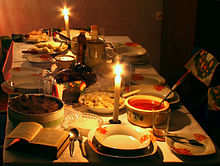
A tradition similar to Italy (Wigilia, or ‘Christmas Vigil’) exists in Poland. The number of dishes is traditionally 12, but has been an odd number in the past.[29] According to the Słownik etymologiczny języka polskiego (Etymological Dictionary of the Polish Language) by Aleksander Brückner, the number of dishes was traditionally related to social class: the peasants’ vigil consisted of 5 or 7 dishes, the gentry usually had 9, and the aristocracy, 11 dishes, but the even number 12 is also found today to remember the Twelve Apostles. It is obligatory to try a portion of all of them. Some traditions specify that the number of guests cannot be odd.[30][31]
In Poland, gifts are unwrapped on Christmas Eve, as opposed to Christmas Day. It comes from fusing the traditions of Saint Nicholas Day (6 December) and Christmas. In the past, gifts were opened on the morning of Saint Nicholas Day.[citation needed]
Russia[edit]
Rozhdenstvenskiy sochelnik (Russian: Рождественский сочельник) was a common Eastern Orthodox tradition in the Russian Empire, but during the era of the Soviet Union it was greatly discouraged as a result of the official atheism of the former regime.
In modern-day Russia, the church has a service on that day, but the celebration itself has not yet regained its popularity among the people. Instead of the Christmas Eve, New Year’s Eve is considered to be a traditional family celebration featuring the New Year tree.
Serbia[edit]

Candles on Christmas Eve 2010
In accordance with the Christmas traditions of the Serbs, their festive meal has a copious and diverse selection of foods, although it is prepared according to the rules of fasting.
As well as a round, unleavened loaf of bread and salt, which are necessary, this meal may comprise roast fish, cooked beans, sauerkraut, noodles with ground walnuts, honey, and wine.
Families in some Slavic countries leave an empty place at the table for guests (alluding to Mary and Joseph looking for shelter in Bethlehem).
Ukraine[edit]
In Ukraine, Sviatyi Vechir (Ukrainian: Святий Вечір, Holy Evening) is traditionally celebrated with a meatless twelve-dish Christmas Eve supper, or the Holy Supper (Ukrainian: Свята Вечеря, Sviata Vecheria). The main attributes of the Holy Supper in Ukraine are kutia, a poppy seed, honey and wheat dish, and uzvar, a drink made from reconstituted dried fruits. Other typical dishes are borscht, varenyky, and dishes made of fish, phaseolus and cabbage.
The twelve dishes symbolize the Twelve Apostles. Just as in Poland, it is obligatory to try a portion of all of the dishes. The table is spread with a white cloth symbolic of the swaddling clothes the Child Jesus was wrapped in, and a large white candle stands in the center of the table symbolizing Christ the Light of the World. Next to it is a round loaf of bread symbolizing Christ Bread of Life. Hay is often displayed either on the table or as a decoration in the room, reminiscent of the manger in Bethlehem.
Gift giving[edit]

Christmas presents under the Christmas tree
During the Reformation in 16th- and 17th-century Europe, many Protestants changed the gift bringer to the Christ Child or Christkindl, and the date of giving gifts changed from 6 December to Christmas Eve.[32] It is the night when Santa Claus makes his rounds delivering gifts to good children. Many trace the custom of giving gifts to the Magi who brought gifts for the Christ child in the manger.
In Austria, Croatia, the Czech Republic, Hungary, and Slovakia, where Saint Nicholas (sv. Mikuláš/szent Mikulás) gives gifts on 6 December, the Christmas gift-giver is the Child Jesus (Ježíšek in Czech, Jézuska in Hungarian, Ježiško in Slovak and Isusek in Croatian).[33]
In Austria, the Czech Republic, Denmark, Finland, Germany, Hungary, Norway, Poland, Slovakia, Sweden and Switzerland, presents are traditionally exchanged on the evening of 24 December. Children are commonly told that presents were brought either by the Christkind (German for Christ child),[34] or by the Weihnachtsmann. Both leave the gifts, but are in most families not seen doing so. In Germany, the gifts are also brought on 6 December by «the Nikolaus» with his helper Knecht Ruprecht.

Christmas tree with presents hanging on the tree
In Estonia Jõuluvana, Finland Joulupukki, Denmark Julemanden, Norway Julenissen and Sweden Jultomten, personally meets children and gives presents in the evening of Christmas Eve.[35][36]
In Argentina, Austria, Brazil, Colombia, Croatia, the Czech Republic, Denmark, Estonia, the Faroe Islands, Finland, France, Germany, Hungary, Iceland, Latvia, Lithuania, Luxembourg, Norway, Poland, Portugal, Quebec (French Canada), Romania, Uruguay, Slovakia, Slovenia, Sweden, and Switzerland, Christmas presents are opened mostly on the evening of the 24th – following German tradition, this is also the practice among the British Royal Family since it was introduced by Queen Victoria and Albert, Prince Consort[37][38] – while in Italy, the United States, the United Kingdom, Republic of Ireland, Malta, English Canada, South Africa, New Zealand and Australia, this occurs mostly on the morning of Christmas Day.
In other Latin American countries, people stay awake until midnight, when they open the presents.
In Spain, gifts are traditionally opened on the morning of 6 January, Epiphany day («Día de Los Tres Reyes Magos»),[39] though in some other countries, like Mexico, Argentina and Uruguay, people receive presents both around Christmas and on the morning of Epiphany day.
In Belgium and the Netherlands Saint Nicholas or Sinterklaas and his companion Zwarte Piet deliver presents to children and adults alike on the evening of 5 December, the eve of his nameday.[40] On 24 December they go to church or watch the late-night Mass on TV, or have a meal.[citation needed]
Christmas Eve around the world[edit]

Christmas Eve is celebrated in different ways around the world, varying by country and region. Elements common to many areas of the world include the attendance of special religious observances such as a midnight Mass or Vespers and the giving and receiving of presents. Along with Easter, Christmastime is one of the most important periods on the Christian calendar, and is often closely connected to other holidays at this time of year, such as Advent, the Feast of the Immaculate Conception, St. Nicholas Day, St. Stephen’s Day, New Year’s, and the Feast of the Epiphany.
Celebrations[edit]
Among Christians, as well as non-Christians who celebrate Christmas, the significant amount of vacation travel, and travel back to family homes, that takes place in the lead-up to Christmas means that Christmas Eve is also frequently a time of social events and parties, worldwide.[41][42][43][44][45]
Further information on Christmas Eve traditions around the world: Christmas worldwide
In Jewish culture[edit]
Nittel Nacht is a name given to Christmas Eve by Jewish scholars in the 17th century.
In contemporary American-Jewish culture[edit]
With Christmas Day a work holiday throughout the United States, there is a space of unfilled free time during which much of American commerce and society is not functioning, and which can give rise to a sense of loneliness or alienation for American Jews.[46][47][48][49][50]
Jews also typically do not engage in the family gathering and religious worship activities that are central to Christmas Eve for Christians.[51]
Typical contemporary activities have usually been limited to «Chinese and a movie»[52][53][54]—consuming a meal at a Chinese restaurant, which tend to be open for business on the Christmas holiday, and watching a movie at the theater or at home, stereotypically a rerun of the 1946 film It’s a Wonderful Life.[50][55][56][57]
Since the 1980s a variety of social events for young Jews have sprung up, and become popular, on Christmas Eve.[58] These include the Matzo Ball, The Ball, and a number of local events organized by Jewish communities and local Jewish Federations in North America.[47]
Further information on Christmas Eve social events for young Jews in North America: Matzo Ball
In Chinese culture[edit]
In Mandarin, Christmas Eve is called Píng’ān yè (平安夜, «peaceful night», etymologically from the Chinese title of the Christmas carol Silent Night). People exchange apples, because the word for «apple» (苹果) is a rhyming wordplay with «peace» (平安).[59]
In Inuit culture[edit]
In Inuit territories, Christmas Eve is called Quviasukvik. The Inuit celebrate it as their new year.[60][61][62]
Latin America[edit]
For Latin American cultures, Christmas Eve is often the biggest feast for the Christmas season. Typically a dinner is served with the family, sometimes after attending the late Mass known as Misa de Gallo. Some regions include a fasting before midnight dinner.[63] In much of Latin America the evening consists of a traditional family dinner for the adults. In some areas Christmas Eve marks the final evening of the Posadas celebrations.[64]
Cuba[edit]
In Cuba, roasted pig (lechón) is often the center of Christmas Eve (Nochebuena).[65] It is believed that the tradition dates back to the 15th century when Caribbean colonists hunted down pigs and roasted them with a powerful flame.[66]
In Cuban and Cuban-American tradition, the pig is sometimes cooked in a Caja China, a large box where an entire pig is placed below hot coals.[67] The dinner features many side dishes and desserts, and often games of dominoes are played. The tradition is continued by Cuban families in Florida and the United States.[68]
The dinner on the 24th, Christmas Eve itself, is the center of the celebration. That day — it may also be 31 — for many it is important to wear a new piece of clothing, be it a jacket or underwear.
The Cuban family does not have a fixed time for dinner. It is necessary, yes, in most of the Island, to have it as a family, and it is expected to be all at the table to start tasting the frijoles negros dormidos [sleeping black beans] and the arroz blanco desgranado y reluciente [shredded white rice], the yuca con mojo [Cuban side dish made by marinating yuca root (also known as cassava) in garlic, sour orange, and olive oil], the roasted pork or the stuffed or unfilled guanajo that, along with homemade desserts, such as Christmas fritters, and a wide range of sweets in syrup and Spanish nougat.
The visit to the archipelago of Pope John Paul II, in 1998, promoted the Cuban State, in a gesture of goodwill, to declare December 25 again as a holiday, which had stopped happening for several decades.
New Mexico[edit]
In New Mexico and areas of San Diego, California, Christmas Eve (nochebuena) is celebrated by lighting luminarias and farolitos.
Philippines[edit]
In the Philippines, the traditional dinner is served at midnight after the family attends the late evening Mass known as Misa de Gallo (sometimes referred to as Misa de Aguinaldo, «Gift Mass»). Conventional dishes served for the main course include: lechón, pancit, sweet-tasting spaghetti, fried chicken, jamón, queso de bola, arróz caldo, lumpia, turkey, relyenong bangús (stuffed milkfish), adobo, steamed rice, and various breads such as pan de sal. Desserts include úbe halayá, bibingka, membrilyo, fruit salad, various rice- and flour-based pastries, ice cream, and fruits, while popular beverages are tsokolate as well as coffee, soda, wine, beer, alcoholic drinks, and fruit juices.
Historical events[edit]

A cross, left near Ypres in Belgium in 1999, to commemorate the site of the 1914 Christmas Truce. The text reads 1914—The Khaki Chum’s Christmas Truce—85 Years—Lest We Forget.
A number of historical events have been influenced by the occurrence of Christmas Eve.
Christmas truce[edit]
During World War I in 1914 and 1915 there was an unofficial Christmas truce, particularly between British and German troops. The truce began on Christmas Eve, 24 December 1914, when German troops began decorating the area around their trenches in the region of Ypres, Belgium, for Christmas. They began by placing candles on trees, then continued the celebration by singing Christmas carols, most notably Stille Nacht («Silent Night»). The British troops in the trenches across from them responded by singing English carols. The two sides shouted Christmas greetings to each other. Soon there were calls for visits across the «No man’s land» when small gifts were exchanged. The truce also allowed a breathing space during which recently killed soldiers could be brought back behind their lines by burial parties. Funerals took place as soldiers from both sides mourned the dead together and paid their respects. At one funeral in No Man’s Land, soldiers from both sides gathered and read a passage from Psalm 23. The truce occurred in spite of opposition at higher levels of the military command. Earlier in the autumn, a call by Pope Benedict XV for an official truce between the warring governments had been ignored.
Apollo 8 reading from Genesis[edit]
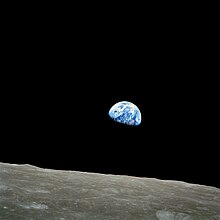
On 24 December 1968, in what was the most watched television broadcast to that date, the astronauts Bill Anders, Jim Lovell and Frank Borman of Apollo 8 surprised the world with a reading of the Creation from the Book of Genesis as they orbited the Moon.[69] Madalyn Murray O’Hair, an atheist activist, filed a lawsuit under the Establishment Clause of the First Amendment.[70] The trial court dismissed the lawsuit, which was upheld on appeal.[71]
In 1969, the United States Postal Service issued a stamp (Scott# 1371) commemorating the Apollo 8 flight around the Moon. The stamp featured a detail of the famous photograph, Earthrise, of the Earth «rising» over the Moon (NASA image AS8-14-2383HR), taken by Anders on Christmas Eve, and the words, «In the beginning God…».
See also[edit]
- Christmas Day
- Nativity of Jesus
- Santa Claus
- Winter holiday season
- Réveillon
References[edit]
- ^ Christmas as a Multi-faith Festival—BBC News. Retrieved 24 November 2011.
- ^ «Christmas is here- yet again!The Holy Land is unique in celebrating Christmas three times; on December 25th, January 6th and January 19th». JPost.
- ^ Ramzy, John. «The Glorious Feast of Nativity:? 29 Kiahk? 25 December?». Coptic Orthodox Church Network. Retrieved 17 January 2011.
- ^ Mary Pat Fisher (1997). Living Religions: an encyclopedia of the world’s faiths. I.B.Tauris. ISBN 9781860641480. Archived from the original on 29 October 2013. Retrieved 29 December 2010.
Christmas is the celebration of Jesus’ birth on earth.
- ^ «Christian Calendar». Jerusalem Center for Jewish-Christian Relations. Archived from the original on 23 July 2011. Retrieved 29 December 2010.
- ^ Kessler, Edward; Neil Wenborn (2005). A dictionary of Jewish-Christian relations. Cambridge, Cambridgeshire, United Kingdom: Cambridge university Press. p. 274.
- ^ Bible — NIV. 2005.
- ^ «Helgmålsringning». Natinalencyclopedin. Retrieved 29 December 2010.
- ^ «Vatican Today». Archived from the original on 1 January 2011. Retrieved 29 December 2010.
- ^ Forbes, Bruce David, Christmas: a candid history, University of California Press, 2007, ISBN 0-520-25104-0, pp. 68–79.
- ^ «Woman knocks Pope down at Christmas Mass». British Broadcasting Company. 25 December 2009.
- ^ Vermes, Geza. The Nativity: History and Legend. Penguin, 2006
- ^ a b Dues, Greg.Catholic Customs and Traditions: A Popular Guide Twenty-Third Publications, 2000.
- ^ a b Alex Webb (24 December 2001), «Choir that sings to the world», BBC News
- ^ Bulgarian Main Courses Archived 4 January 2009 at the Wayback Machine
- ^ Христо Вакарелски. Етнография на България. Наука и изкуство. София 1977. с. 500
- ^ «Vánoční zvyky a tradice, které navodí tu pravou sváteční atmosféru». Novinky.cz. Retrieved 21 December 2020.
- ^ Hungry holidays: The Filipino Noche Buena GMA News Online. Cristina Tantenco. 22 December 2013. Retrieved 5 May 2014
- ^ «Feast of Seven Fishes – A Sicilian Christmas Eve Tradition». Rachael Ray Digital LLC. 2014. Retrieved 14 November 2014.
Sicilians traditionally celebrate Christmas Eve with a «Feast of Seven Fishes» which was historically served after a 24-hour fasting period. Although pre-Christmas fasting is not a popular custom still practiced by Italian-Americans, many still enjoy a meatless Christmas Eve feast.
- ^ Noche Buena Traditions Archived 2014-05-06 at the Wayback Machine Living in Peru. Diana P. Alano. Retrieved 5 May 2014
- ^ [1] Venezuela Folklore and Traditions. Venezuelan Embassy to the United States. Retrieved 25 December 2014
- ^ Kubilius, Kerry (2017). «Lithuania Christmas Traditions». www.tripsavvy.com. Retrieved 22 December 2018.
In pagan Lithuania, the Christmas celebration as we know it today was actually the celebration of the winter solstice.
- ^ «Lithuania, Christmas in». Retrieved 22 December 2018.
Hundreds of little Christmas Eve formulas and charms offer Lithuanians ways in which to use the events of this evening to predict the future.
- ^ Grinevičiūtė, Monika (December 2018). «Magical Christmas Eve in Lithuania — Kūčios». Retrieved 22 December 2018.
One more important thing — it is believed that during the Christmas Eve all family members are coming together to have dinner. It means the deceased relatives as well, so for that reason on the table one more, additional plate, is always placed.
- ^ «Lithuanian customs and traditions». thelithuanians.com. Archived from the original on 14 February 2019. Retrieved 22 December 2018.
The ritual supper is not eaten until the evening star appears in the sky. Until then, the bathhouse is heated, people bathe and dress up in festive clothes. The floor was strewn with juniper by the mistress and the master placed handfuls of hay on the table, covered it with a white linen tablecloth.
- ^ «2/10/2011 Lithuanian traditions: Christmas». www.lithaz.org. Retrieved 22 December 2018.
The meal served on Christmas Eve did not include meat, milk products or eggs.
- ^ «Lithuanian customs and traditions». thelithuanians.com. Archived from the original on 14 February 2019. Retrieved 22 December 2018.
Most often the «Kūčia» table was not cleared away, for it was believed that when the family is asleep the souls of the dead come in to eat.
- ^ Vaicekauskas, Arūnas (2014). «Ancient Lithuanian Calendar Festivals» (PDF). Vytautas Magnus University. p. 31. Archived from the original (PDF) on 22 July 2017. Retrieved 22 December 2018.
The cult of the dead is well noticed in the custom when, after Christmas Eve supper the table is not cleared but left overnight. It was believed that the souls of the dead would come and serve themselves at night.
- ^ Kasprzyk, Magdalena. «The 12 Dishes of Polish Christmas». Culture.pl. Retrieved 3 August 2016.
- ^ «12, 11, 9? Ile dań na Wigilie? — Święta». polskieradio.pl. 19 December 2010. Retrieved 14 February 2014.
- ^ «Wigilia». Polishcenter.org. Archived from the original on 24 February 2014. Retrieved 14 February 2014.
- ^ Forbes, Bruce David, Christmas: a candid history, University of California Press, 2007, ISBN 0-520-25104-0, pp. 68–79.
- ^ The Christmas encyclopedia McFarland p.143. & Co., 2005
- ^ The Christmas Almanack p.56. Random House Reference, 2004
- ^ Llewellyn’s Sabbats Almanac: Samhain 2010 to Mabon 2011 p.64. Llewellyn Worldwide, 2010
- ^ Festivals of Western Europe p.202. Forgotten Books, 1973
- ^ «Queen Victoria’s Christmas — A ‘chandelier Christmas tree’ and family gifts go on display for the first time». Royal Collection Trust. 30 November 2012. Retrieved 25 December 2016.
- ^ Hoey, Brian (12 December 2014). «How the Royal Family do Christmas». Wales Online. Retrieved 25 December 2016.
- ^ Francis, Charles Wisdom Well Said p.224 Levine Mesa Press, 2009
- ^ Concepts of person in religion and thought Walter de Gruyter, 1990
- ^ Eugene Fodor, Fodor’s South 1980: Alabama, Florida, Georgia, Kentucky, Louisiana, 1979, at p. 87, available at Google Books
- ^ Gary Sigley, A Chinese Christmas Story, in Shi-xu, ed., Discourse as Cultural Struggle, 2007, at p. 99, available at Google Books
- ^ Adebayo Oyebade, Culture and Customs of Angola, 2007, at pp. 103, 140, available at Google Books
- ^ See, e.g., GetQd Twas the Night Before Christmas @ Tonic @ Tonic Nightclub Vancouver BC, 2009 Archived 6 November 2009 at the Wayback Machine
- ^ See, e.g., Upcoming.org, The College Night Out, 2009 Archived 18 March 2012 at the Wayback Machine
- ^ «Dec. 24 is time to party at Mazelpalooza, Matzoball». azcentral. Retrieved 16 May 2019.
- ^ a b Jessica Gresko, «Dec. 24 Becomes Party Night for Jewish Singles», Associated Press (Washington Post), 24 December 2006
- ^ Tracy, Marc (19 December 2013). «Christmas Is the Greatest Jewish Holiday». The New Republic. ISSN 0028-6583. Retrieved 16 May 2019.
- ^ Barbara Lewis, «MatzoBall Detroit: Jewish singles now have their own party on Christmas Eve», Detroit Jewish News, 18 December 2014
- ^ a b «平安夜美国犹太单身大聚会-英语点津». language.chinadaily.com.cn. Retrieved 16 May 2019.
- ^ Richardson, Brenda Lane (16 December 1987). «Deciding to Celebrate Christmas, or Not». The New York Times. ISSN 0362-4331. Retrieved 16 May 2019.
- ^ Marziah (24 December 2012). «Happy Chinese and a Movie». Wired. ISSN 1059-1028. Retrieved 16 May 2019.
- ^ «The joy of not celebrating Christmas». Jewish Telegraphic Agency. 24 December 2013. Retrieved 16 May 2019.
- ^ «Chinese food and movies: A Christmas tradition». EW.com. Retrieved 16 May 2019.
- ^ Heyman, Marshall (27 December 2010). «‘Tis the Season For Matzo Balls». Wall Street Journal. Retrieved 30 December 2018.
- ^ Call, JODI DUCKETT, The Morning. «JEWISH SINGLES MIMGLE CHRISTMAS EVE». themorningcall.com. Retrieved 16 May 2019.
- ^ Gluck, Robert (20 December 2011). «What young Jews do on Christmas Eve». Los Angeles Jewish Journal. Retrieved 30 December 2018.
- ^ «Christmas Eve parties now a Jewish tradition». NBC News. 24 December 2006. Retrieved 25 December 2017.
- ^ Ren, Yaoti (14 November 2017). «China’s love for Christmas apple gifts». Retrieved 26 December 2018.
- ^ Sex in Our Strange World: Why Christmas has Always Been About Sex
- ^ Christmas in the Big Igloo
- ^ Inulariuyunga; Imngirnik Quvigiyaqaqtunga!
- ^ Nochebuena: Most Latinos start celebrating Christmas on December 24 The Denver Post. Roxana Soto. 21 December 2011. Retrieved 5 May 2014
- ^ For some Latino families, Christmas comes a day early The Los Angeles Times. Hector Becerra. 19 December 2013. Retrieved 5 May 2014
- ^ For some Latino families, Christmas comes a day early The Los Angeles Times. Hector Becerra. 19 December. People really like to celebrate this holiday because it brings families together and allows families to spend quality time together. 2013. Retrieved 5 May 2014
- ^ Nochebuena: Celebrations Start on Dec 24 in Latin-American Households Latin Post. Nicole Akoukou. 11 December 2013. Retrieved 5 May 2014
- ^ Cordle, Ina Paiva, On Nochebuena, many in South Florida will be roasting a pig in a “caja china” The Miami Herald, 23 December 2013. Retrieved 30 December 2013
- ^ Families Gather For Traditional «Noche Buena» CBS Miami. 24 December 2013. Retrieved 5 May 2014
- ^ «The Apollo 8 Christmas Eve Broadcast». NASA National Space Science Data Center. 25 September 2007. Archived from the original on 19 April 2008. Retrieved 12 April 2008.
- ^ Chaikin, Andrew (1994). A Man On The Moon: The Voyages of the Apollo Astronauts. Viking. pp. 204, 623. ISBN 0-670-81446-6.
- ^ O’Hair v. Paine, 312 F. Supp. 434 (W.D. Tex. 1969), aff’d, 432 F.2d 66 (5th Cir. 1970) (per curiam), cert. denied, 401 U.S. 955 (1971). See also O’Hair v. Paine 397 U.S. 531 (1970) (dismissing direct appeal of trial court order remanding from three-judge panel).
External links[edit]
«Christmas night» redirects here. For the album, see Christmas Night.
| Christmas Eve | |
|---|---|
|
Christmas Eve, an 1878 painting by J. Hoover & Son |
|
| Also called | Christmas Evening Christmas Vigil Day before Christmas Night before Christmas |
| Observed by | Christians Many non-Christians[1] |
| Type | Christian, cultural |
| Significance | Day or evening preceding the traditional birthday of Jesus |
| Observances | Gift shopping, gift giving, goodwill greetings, Midnight Mass, other church services, meals, preparations for the arrival of Christmas gift-bringers, preparing for Christmas |
| Date |
|
| Frequency | Annual |
| Related to | Christmas Day, Christmastide, New Year’s Eve, New Year’s Day |
Christmas Eve is the evening or entire day before Christmas Day, the festival commemorating the birth of Jesus.[4] Christmas Day is observed around the world, and Christmas Eve is widely observed as a full or partial holiday in anticipation of Christmas Day. Together, both days are considered one of the most culturally significant celebrations in Christendom and Western society.
Christmas celebrations in the denominations of Western Christianity have long begun on Christmas Eve, due in part to the Christian liturgical day starting at sunset,[5] a practice inherited from Jewish tradition[6] and based on the story of Creation in the Book of Genesis: «And there was evening, and there was morning – the first day.»[7] Many churches still ring their church bells and hold prayers in the evening; for example, the Nordic Lutheran churches.[8] Since tradition holds that Jesus was born at night (based in Luke 2:6-8), Midnight Mass is celebrated on Christmas Eve, traditionally at midnight, in commemoration of his birth.[9] The idea of Jesus being born at night is reflected in the fact that Christmas Eve is referred to as Heilige Nacht (Holy Night) in German, Nochebuena (the Good Night) in Spanish and similarly in other expressions of Christmas spirituality, such as the song «Silent Night, Holy Night».
Many other varying cultural traditions and experiences are also associated with Christmas Eve around the world, including the gathering of family and friends, the singing of Christmas carols, the illumination and enjoyment of Christmas lights, trees, and other decorations, the wrapping, exchange and opening of gifts, and general preparation for Christmas Day. Legendary Christmas gift-bearing figures including Santa Claus, Father Christmas, Christkind, and Saint Nicholas are also often said to depart for their annual journey to deliver presents to children around the world on Christmas Eve, although until the Protestant introduction of Christkind in 16th-century Europe,[10] such figures were said to instead deliver presents on the eve of Saint Nicholas’ feast day (6 December).
Religious traditions[edit]
Western churches[edit]
Midnight Mass is held in many churches toward the end of Christmas Eve, often with dim lighting and traditional decorative accents such as greenery
Roman Catholics, Lutherans, and some Anglicans traditionally celebrate Midnight Mass, which begins either at or sometime before midnight on Christmas Eve. This ceremony, which is held in churches throughout the world, celebrates the birth of Christ, which is believed to have occurred at night. Midnight Mass is popular in Poland (pasterka) and Lithuania (piemenėlių mišios).
In recent years some churches have scheduled their «Midnight» Mass as early as 7 pm.[citation needed] This better suits the young children, whose choral singing has become a popular feature in some traditions. In Spanish-speaking areas, the Midnight Mass is sometimes referred to as Misa de Gallo, or Missa do Galo in Portuguese («Rooster’s Mass»). In the Philippines, the custom has expanded into the nine-day Simbang Gabi, when Filipinos attend dawn Masses (traditionally beginning around 04:00 to 05:00 PST) from 16 December, continuing daily until Christmas Eve. In 2009 Vatican officials scheduled the Midnight Mass to start at 10 pm so that the 82-year-old Pope Benedict XVI would not have too late a night.[11]
A nativity scene may be erected indoors or outdoors, and is composed of figurines depicting the infant Jesus resting in a manger, Mary, and Joseph.[12] Other figures in the scene may include angels, shepherds, and various animals. The figures may be made of any material,[13] and arranged in a stable or grotto. The Magi may also appear, and are sometimes not placed in the scene until the week following Christmas to account for their travel time to Bethlehem. While most home nativity scenes are packed away at Christmas or shortly thereafter, nativity scenes in churches usually remain on display until the feast of the Baptism of the Lord.[13]
Whilst it does not include any kind of Mass, the Church of Scotland has a service beginning just before midnight, in which carols are sung. The Church of Scotland no longer holds Hogmanay services on New Year’s Eve, however. The Christmas Eve Services are still very popular.
On Christmas Eve, the Christ Candle in the center of the Advent wreath is traditionally lit in many church services. In candlelight services, while singing Silent Night, each member of the congregation receives a candle and passes along their flame which is first received from the Christ Candle.
Advent wreath, lighting the candle
Lutherans traditionally practice Christmas Eve Eucharistic traditions typical of Germany and Scandinavia. «Krippenspiele» (Nativity plays), special festive music for organ, vocal and brass choirs and candlelight services make Christmas Eve one of the most beloved days in the Lutheran Church calendar. Christmas Vespers is popular in the early evening, and Midnight Masses are also widespread in regions which are predominantly Lutheran. The old Lutheran tradition of a Christmas Vigil in the early morning hours of Christmas Day (Christmette) can still be found in some regions. In eastern and middle Germany, congregations still continue the tradition of «Quempas singing»: separate groups dispersed in various parts of the church sing verses of the song «He whom shepherds once came Praising» (Quem pastores laudavere) responsively.
Methodists celebrate the evening in different ways. Some, in the early evening, come to their church to celebrate Holy Communion with their families. The mood is very solemn, and the only visible light is the Advent Wreath, and the candles upon the Lord’s Table. Others celebrate the evening with services of light, which include singing the song Silent Night as a variety of candles (including personal candles) are lit. Other churches have late evening services perhaps at 11 pm, so that the church can celebrate Christmas Day together with the ringing of bells at midnight. Others offer Christmas Day services as well.
The annual «Nine Lessons and Carols», broadcast from King’s College, Cambridge on Christmas Eve, has established itself a Christmas custom in the United Kingdom.[14] It is broadcast outside the UK via the BBC World Service, and is also bought by broadcasters around the world.[14]
Eastern churches[edit]
Annunciation of the Virgin Mary Greek Orthodox Cathedral, Toronto, Ontario, Canada
In the Byzantine Rite, Christmas Eve is referred to as Paramony («preparation»). It is the concluding day of the Nativity Fast and is observed as a day of strict fasting by those devout Byzantine Christians who are physically capable of doing so. In some traditions, nothing is eaten until the first star appears in the evening sky, in commemoration of the Star of Bethlehem. The liturgical celebration begins earlier in the day with the celebration of the Royal Hours, followed by the Divine Liturgy combined with the celebration of Vespers, during which a large number of passages from the Old Testament are chanted, recounting the history of salvation. After the dismissal at the end of the service, a new candle is brought out into the center of the church and lit, and all gather round and sing the Troparion and Kontakion of the Feast.
In the evening, the All-Night Vigil for the Feast of the Nativity is composed of Great Compline, Matins and the First Hour. The Byzantine services of Christmas Eve are intentionally parallel to those of Good Friday, illustrating the theological point that the purpose of the Incarnation was to make possible the Crucifixion and Resurrection. This is illustrated in Eastern icons of the Nativity, on which the Christ Child is wrapped in swaddling clothes reminiscent of his burial wrappings. The child is also shown lying on a stone, representing the Tomb of Christ, rather than a manger. The Cave of the Nativity is also a reminder of the cave in which Jesus was buried.
The services of Christmas Eve are also similar to those of the Eve of Theophany (Epiphany), and the two Great Feasts are considered one celebration.
In some Orthodox cultures, after the Vesperal Liturgy the family returns home to a festive meal, but one at which Orthodox fasting rules are still observed: no meat or dairy products (milk, cheese, eggs, etc.) are consumed (see below for variations according to nationality). Then they return to the church for the All-Night Vigil.
The next morning, Christmas Day, the Divine Liturgy is celebrated again, but with special features that occur only on Great Feasts of the Lord. After the dismissal of this Liturgy, the faithful customarily greet each other with the kiss of peace and the words: «Christ is Born!», to which the one being greeted responds: «Glorify Him!» (the opening words of the Canon of the Nativity that was chanted the night before during the Vigil). This greeting, together with many of the hymns of the feast, continue to be used until the leave-taking of the feast on 29 December.
The first three days of the feast are particularly solemn. The second day is known as the Synaxis of the Theotokos, and commemorates the role of the Virgin Mary in the Nativity of Jesus. The third day is referred to simply as «the Third Day of the Nativity». The Saturday and Sunday following 25 December have special Epistle and Gospel readings assigned to them. 29 December celebrates the Holy Innocents.
Byzantine Christians observe a festal period of twelve days, during which no one in the Church fasts, even on Wednesdays and Fridays, which are normal fasting days throughout the rest of the year. During this time one feast leads into another: 25–31 December is the afterfeast of the Nativity; 2–5 January is the forefeast of the Epiphany.
Meals[edit]
Bulgaria[edit]
Seven traditional Christmas Eve dishes 2014
In Bulgaria, the meal consists of an odd number of lenten dishes in compliance with the rules of fasting. They are usually the traditional sarma, bob chorba (bean soup), fortune kravai (pastry with a fortune in it; also called bogovitsa, vechernik, kolednik), stuffed peppers, nuts, dried fruit, boiled wheat.[15] The meal is often accompanied with wine or Bulgaria’s traditional alcoholic beverage rakia, in the past olovina (a type of homemade rye beer). The meals used to be put on top of hay, directly on the floor, together with a ploughshare or a coulter.[16]
Czech Republic[edit]
In the Czech Republic, fasting on the day of Christmas Eve (or only eating meatless food) is a medieval tradition. The belief is that if one lasted until Christmas dinner, they would see a golden pig, which is a symbol of luck. A typical Christmas breakfast is a sweet braided bread vánočka. Christmas Eve dinner traditionally consists of a carp (baked or fried) and a potato salad.[17]
France[edit]
In French-speaking places, Réveillon is a long dinner eaten on Christmas Eve.
Guam and the Northern Marianas[edit]
In Guam and the Northern Marianas, dishes include shrimp kelaguen; coconut crab; and kadon octopus (octopus stewed in sweet peppers and coconut milk).[citation needed] Beef is a rarity,[citation needed] but a popular dish is tinaktak, ground beef in coconut milk.[18][failed verification]
Italy[edit]
While other Christian families throughout the world celebrate the Christmas Eve meal with various meats, Italians (especially Sicilians) celebrate the traditional Catholic «Feast of the Seven Fishes» which was historically served after a 24-hour fasting period. Although Christmas fasting is no longer a popular custom, some Italian-Americans still enjoy a meatless Christmas Eve feast[19] and attend the Midnight Mass. In various cultures, a festive dinner is traditionally served for the family and close friends in attendance, when the first star (usually Sirius) appears in the sky.
Latin America[edit]
- In Peru, turkey and panettone are the stars of Christmas Eve.[20]
- In Venezuela, hallacas are normally the staple dish for Noche Buena alongside of either ham or pork leg known as «pernil», panettone, rum and «Ponche Crema» (a form of alcoholic eggnog). The night is usually accompanied by traditional Christmas music known as «aguinaldos»; in Venezuela, the traditional music is known as joropo.[21]
Lithuania[edit]
Further information: Kūčios
Lithuanian Christmas Eve table with kūčiukai
Lithuanian Christmas Eve blends pagan and Christian traditions, as initially it was a celebration of the winter solstice.[22] Traditionally, Lithuanians believed that animals could talk on that night, and it was possible to predict the future with charms and various games.[23] Kūčios («Holy Meal») is the most important event of the year and family reunion. Dead relatives are remembered with an empty plate set at the table.[24] The feast starts after the rise of the evening star.[25][unreliable source?] No products made from meat, milk and alcohol are allowed during the Kūčios.[26][unreliable source?] In all, 12 dishes are served, all of them rustic, made from grains, fish, dried fruit or mushrooms including kūčiukai. Small biscuits soaked in poppy seed milk are served.[citation needed] After the dinner is over the table is left uncleared overnight for the feast of vėlės (spirits or soul).[27][unreliable source?][28]
Poland[edit]
A tradition similar to Italy (Wigilia, or ‘Christmas Vigil’) exists in Poland. The number of dishes is traditionally 12, but has been an odd number in the past.[29] According to the Słownik etymologiczny języka polskiego (Etymological Dictionary of the Polish Language) by Aleksander Brückner, the number of dishes was traditionally related to social class: the peasants’ vigil consisted of 5 or 7 dishes, the gentry usually had 9, and the aristocracy, 11 dishes, but the even number 12 is also found today to remember the Twelve Apostles. It is obligatory to try a portion of all of them. Some traditions specify that the number of guests cannot be odd.[30][31]
In Poland, gifts are unwrapped on Christmas Eve, as opposed to Christmas Day. It comes from fusing the traditions of Saint Nicholas Day (6 December) and Christmas. In the past, gifts were opened on the morning of Saint Nicholas Day.[citation needed]
Russia[edit]
Rozhdenstvenskiy sochelnik (Russian: Рождественский сочельник) was a common Eastern Orthodox tradition in the Russian Empire, but during the era of the Soviet Union it was greatly discouraged as a result of the official atheism of the former regime.
In modern-day Russia, the church has a service on that day, but the celebration itself has not yet regained its popularity among the people. Instead of the Christmas Eve, New Year’s Eve is considered to be a traditional family celebration featuring the New Year tree.
Serbia[edit]
Candles on Christmas Eve 2010
In accordance with the Christmas traditions of the Serbs, their festive meal has a copious and diverse selection of foods, although it is prepared according to the rules of fasting.
As well as a round, unleavened loaf of bread and salt, which are necessary, this meal may comprise roast fish, cooked beans, sauerkraut, noodles with ground walnuts, honey, and wine.
Families in some Slavic countries leave an empty place at the table for guests (alluding to Mary and Joseph looking for shelter in Bethlehem).
Ukraine[edit]
In Ukraine, Sviatyi Vechir (Ukrainian: Святий Вечір, Holy Evening) is traditionally celebrated with a meatless twelve-dish Christmas Eve supper, or the Holy Supper (Ukrainian: Свята Вечеря, Sviata Vecheria). The main attributes of the Holy Supper in Ukraine are kutia, a poppy seed, honey and wheat dish, and uzvar, a drink made from reconstituted dried fruits. Other typical dishes are borscht, varenyky, and dishes made of fish, phaseolus and cabbage.
The twelve dishes symbolize the Twelve Apostles. Just as in Poland, it is obligatory to try a portion of all of the dishes. The table is spread with a white cloth symbolic of the swaddling clothes the Child Jesus was wrapped in, and a large white candle stands in the center of the table symbolizing Christ the Light of the World. Next to it is a round loaf of bread symbolizing Christ Bread of Life. Hay is often displayed either on the table or as a decoration in the room, reminiscent of the manger in Bethlehem.
Gift giving[edit]
Christmas presents under the Christmas tree
During the Reformation in 16th- and 17th-century Europe, many Protestants changed the gift bringer to the Christ Child or Christkindl, and the date of giving gifts changed from 6 December to Christmas Eve.[32] It is the night when Santa Claus makes his rounds delivering gifts to good children. Many trace the custom of giving gifts to the Magi who brought gifts for the Christ child in the manger.
In Austria, Croatia, the Czech Republic, Hungary, and Slovakia, where Saint Nicholas (sv. Mikuláš/szent Mikulás) gives gifts on 6 December, the Christmas gift-giver is the Child Jesus (Ježíšek in Czech, Jézuska in Hungarian, Ježiško in Slovak and Isusek in Croatian).[33]
In Austria, the Czech Republic, Denmark, Finland, Germany, Hungary, Norway, Poland, Slovakia, Sweden and Switzerland, presents are traditionally exchanged on the evening of 24 December. Children are commonly told that presents were brought either by the Christkind (German for Christ child),[34] or by the Weihnachtsmann. Both leave the gifts, but are in most families not seen doing so. In Germany, the gifts are also brought on 6 December by «the Nikolaus» with his helper Knecht Ruprecht.
Christmas tree with presents hanging on the tree
In Estonia Jõuluvana, Finland Joulupukki, Denmark Julemanden, Norway Julenissen and Sweden Jultomten, personally meets children and gives presents in the evening of Christmas Eve.[35][36]
In Argentina, Austria, Brazil, Colombia, Croatia, the Czech Republic, Denmark, Estonia, the Faroe Islands, Finland, France, Germany, Hungary, Iceland, Latvia, Lithuania, Luxembourg, Norway, Poland, Portugal, Quebec (French Canada), Romania, Uruguay, Slovakia, Slovenia, Sweden, and Switzerland, Christmas presents are opened mostly on the evening of the 24th – following German tradition, this is also the practice among the British Royal Family since it was introduced by Queen Victoria and Albert, Prince Consort[37][38] – while in Italy, the United States, the United Kingdom, Republic of Ireland, Malta, English Canada, South Africa, New Zealand and Australia, this occurs mostly on the morning of Christmas Day.
In other Latin American countries, people stay awake until midnight, when they open the presents.
In Spain, gifts are traditionally opened on the morning of 6 January, Epiphany day («Día de Los Tres Reyes Magos»),[39] though in some other countries, like Mexico, Argentina and Uruguay, people receive presents both around Christmas and on the morning of Epiphany day.
In Belgium and the Netherlands Saint Nicholas or Sinterklaas and his companion Zwarte Piet deliver presents to children and adults alike on the evening of 5 December, the eve of his nameday.[40] On 24 December they go to church or watch the late-night Mass on TV, or have a meal.[citation needed]
Christmas Eve around the world[edit]
Christmas Eve is celebrated in different ways around the world, varying by country and region. Elements common to many areas of the world include the attendance of special religious observances such as a midnight Mass or Vespers and the giving and receiving of presents. Along with Easter, Christmastime is one of the most important periods on the Christian calendar, and is often closely connected to other holidays at this time of year, such as Advent, the Feast of the Immaculate Conception, St. Nicholas Day, St. Stephen’s Day, New Year’s, and the Feast of the Epiphany.
Celebrations[edit]
Among Christians, as well as non-Christians who celebrate Christmas, the significant amount of vacation travel, and travel back to family homes, that takes place in the lead-up to Christmas means that Christmas Eve is also frequently a time of social events and parties, worldwide.[41][42][43][44][45]
Further information on Christmas Eve traditions around the world: Christmas worldwide
In Jewish culture[edit]
Nittel Nacht is a name given to Christmas Eve by Jewish scholars in the 17th century.
In contemporary American-Jewish culture[edit]
With Christmas Day a work holiday throughout the United States, there is a space of unfilled free time during which much of American commerce and society is not functioning, and which can give rise to a sense of loneliness or alienation for American Jews.[46][47][48][49][50]
Jews also typically do not engage in the family gathering and religious worship activities that are central to Christmas Eve for Christians.[51]
Typical contemporary activities have usually been limited to «Chinese and a movie»[52][53][54]—consuming a meal at a Chinese restaurant, which tend to be open for business on the Christmas holiday, and watching a movie at the theater or at home, stereotypically a rerun of the 1946 film It’s a Wonderful Life.[50][55][56][57]
Since the 1980s a variety of social events for young Jews have sprung up, and become popular, on Christmas Eve.[58] These include the Matzo Ball, The Ball, and a number of local events organized by Jewish communities and local Jewish Federations in North America.[47]
Further information on Christmas Eve social events for young Jews in North America: Matzo Ball
In Chinese culture[edit]
In Mandarin, Christmas Eve is called Píng’ān yè (平安夜, «peaceful night», etymologically from the Chinese title of the Christmas carol Silent Night). People exchange apples, because the word for «apple» (苹果) is a rhyming wordplay with «peace» (平安).[59]
In Inuit culture[edit]
In Inuit territories, Christmas Eve is called Quviasukvik. The Inuit celebrate it as their new year.[60][61][62]
Latin America[edit]
For Latin American cultures, Christmas Eve is often the biggest feast for the Christmas season. Typically a dinner is served with the family, sometimes after attending the late Mass known as Misa de Gallo. Some regions include a fasting before midnight dinner.[63] In much of Latin America the evening consists of a traditional family dinner for the adults. In some areas Christmas Eve marks the final evening of the Posadas celebrations.[64]
Cuba[edit]
In Cuba, roasted pig (lechón) is often the center of Christmas Eve (Nochebuena).[65] It is believed that the tradition dates back to the 15th century when Caribbean colonists hunted down pigs and roasted them with a powerful flame.[66]
In Cuban and Cuban-American tradition, the pig is sometimes cooked in a Caja China, a large box where an entire pig is placed below hot coals.[67] The dinner features many side dishes and desserts, and often games of dominoes are played. The tradition is continued by Cuban families in Florida and the United States.[68]
The dinner on the 24th, Christmas Eve itself, is the center of the celebration. That day — it may also be 31 — for many it is important to wear a new piece of clothing, be it a jacket or underwear.
The Cuban family does not have a fixed time for dinner. It is necessary, yes, in most of the Island, to have it as a family, and it is expected to be all at the table to start tasting the frijoles negros dormidos [sleeping black beans] and the arroz blanco desgranado y reluciente [shredded white rice], the yuca con mojo [Cuban side dish made by marinating yuca root (also known as cassava) in garlic, sour orange, and olive oil], the roasted pork or the stuffed or unfilled guanajo that, along with homemade desserts, such as Christmas fritters, and a wide range of sweets in syrup and Spanish nougat.
The visit to the archipelago of Pope John Paul II, in 1998, promoted the Cuban State, in a gesture of goodwill, to declare December 25 again as a holiday, which had stopped happening for several decades.
New Mexico[edit]
In New Mexico and areas of San Diego, California, Christmas Eve (nochebuena) is celebrated by lighting luminarias and farolitos.
Philippines[edit]
In the Philippines, the traditional dinner is served at midnight after the family attends the late evening Mass known as Misa de Gallo (sometimes referred to as Misa de Aguinaldo, «Gift Mass»). Conventional dishes served for the main course include: lechón, pancit, sweet-tasting spaghetti, fried chicken, jamón, queso de bola, arróz caldo, lumpia, turkey, relyenong bangús (stuffed milkfish), adobo, steamed rice, and various breads such as pan de sal. Desserts include úbe halayá, bibingka, membrilyo, fruit salad, various rice- and flour-based pastries, ice cream, and fruits, while popular beverages are tsokolate as well as coffee, soda, wine, beer, alcoholic drinks, and fruit juices.
Historical events[edit]
A cross, left near Ypres in Belgium in 1999, to commemorate the site of the 1914 Christmas Truce. The text reads 1914—The Khaki Chum’s Christmas Truce—85 Years—Lest We Forget.
A number of historical events have been influenced by the occurrence of Christmas Eve.
Christmas truce[edit]
During World War I in 1914 and 1915 there was an unofficial Christmas truce, particularly between British and German troops. The truce began on Christmas Eve, 24 December 1914, when German troops began decorating the area around their trenches in the region of Ypres, Belgium, for Christmas. They began by placing candles on trees, then continued the celebration by singing Christmas carols, most notably Stille Nacht («Silent Night»). The British troops in the trenches across from them responded by singing English carols. The two sides shouted Christmas greetings to each other. Soon there were calls for visits across the «No man’s land» when small gifts were exchanged. The truce also allowed a breathing space during which recently killed soldiers could be brought back behind their lines by burial parties. Funerals took place as soldiers from both sides mourned the dead together and paid their respects. At one funeral in No Man’s Land, soldiers from both sides gathered and read a passage from Psalm 23. The truce occurred in spite of opposition at higher levels of the military command. Earlier in the autumn, a call by Pope Benedict XV for an official truce between the warring governments had been ignored.
Apollo 8 reading from Genesis[edit]
On 24 December 1968, in what was the most watched television broadcast to that date, the astronauts Bill Anders, Jim Lovell and Frank Borman of Apollo 8 surprised the world with a reading of the Creation from the Book of Genesis as they orbited the Moon.[69] Madalyn Murray O’Hair, an atheist activist, filed a lawsuit under the Establishment Clause of the First Amendment.[70] The trial court dismissed the lawsuit, which was upheld on appeal.[71]
In 1969, the United States Postal Service issued a stamp (Scott# 1371) commemorating the Apollo 8 flight around the Moon. The stamp featured a detail of the famous photograph, Earthrise, of the Earth «rising» over the Moon (NASA image AS8-14-2383HR), taken by Anders on Christmas Eve, and the words, «In the beginning God…».
See also[edit]
- Christmas Day
- Nativity of Jesus
- Santa Claus
- Winter holiday season
- Réveillon
References[edit]
- ^ Christmas as a Multi-faith Festival—BBC News. Retrieved 24 November 2011.
- ^ «Christmas is here- yet again!The Holy Land is unique in celebrating Christmas three times; on December 25th, January 6th and January 19th». JPost.
- ^ Ramzy, John. «The Glorious Feast of Nativity:? 29 Kiahk? 25 December?». Coptic Orthodox Church Network. Retrieved 17 January 2011.
- ^ Mary Pat Fisher (1997). Living Religions: an encyclopedia of the world’s faiths. I.B.Tauris. ISBN 9781860641480. Archived from the original on 29 October 2013. Retrieved 29 December 2010.
Christmas is the celebration of Jesus’ birth on earth.
- ^ «Christian Calendar». Jerusalem Center for Jewish-Christian Relations. Archived from the original on 23 July 2011. Retrieved 29 December 2010.
- ^ Kessler, Edward; Neil Wenborn (2005). A dictionary of Jewish-Christian relations. Cambridge, Cambridgeshire, United Kingdom: Cambridge university Press. p. 274.
- ^ Bible — NIV. 2005.
- ^ «Helgmålsringning». Natinalencyclopedin. Retrieved 29 December 2010.
- ^ «Vatican Today». Archived from the original on 1 January 2011. Retrieved 29 December 2010.
- ^ Forbes, Bruce David, Christmas: a candid history, University of California Press, 2007, ISBN 0-520-25104-0, pp. 68–79.
- ^ «Woman knocks Pope down at Christmas Mass». British Broadcasting Company. 25 December 2009.
- ^ Vermes, Geza. The Nativity: History and Legend. Penguin, 2006
- ^ a b Dues, Greg.Catholic Customs and Traditions: A Popular Guide Twenty-Third Publications, 2000.
- ^ a b Alex Webb (24 December 2001), «Choir that sings to the world», BBC News
- ^ Bulgarian Main Courses Archived 4 January 2009 at the Wayback Machine
- ^ Христо Вакарелски. Етнография на България. Наука и изкуство. София 1977. с. 500
- ^ «Vánoční zvyky a tradice, které navodí tu pravou sváteční atmosféru». Novinky.cz. Retrieved 21 December 2020.
- ^ Hungry holidays: The Filipino Noche Buena GMA News Online. Cristina Tantenco. 22 December 2013. Retrieved 5 May 2014
- ^ «Feast of Seven Fishes – A Sicilian Christmas Eve Tradition». Rachael Ray Digital LLC. 2014. Retrieved 14 November 2014.
Sicilians traditionally celebrate Christmas Eve with a «Feast of Seven Fishes» which was historically served after a 24-hour fasting period. Although pre-Christmas fasting is not a popular custom still practiced by Italian-Americans, many still enjoy a meatless Christmas Eve feast.
- ^ Noche Buena Traditions Archived 2014-05-06 at the Wayback Machine Living in Peru. Diana P. Alano. Retrieved 5 May 2014
- ^ [1] Venezuela Folklore and Traditions. Venezuelan Embassy to the United States. Retrieved 25 December 2014
- ^ Kubilius, Kerry (2017). «Lithuania Christmas Traditions». www.tripsavvy.com. Retrieved 22 December 2018.
In pagan Lithuania, the Christmas celebration as we know it today was actually the celebration of the winter solstice.
- ^ «Lithuania, Christmas in». Retrieved 22 December 2018.
Hundreds of little Christmas Eve formulas and charms offer Lithuanians ways in which to use the events of this evening to predict the future.
- ^ Grinevičiūtė, Monika (December 2018). «Magical Christmas Eve in Lithuania — Kūčios». Retrieved 22 December 2018.
One more important thing — it is believed that during the Christmas Eve all family members are coming together to have dinner. It means the deceased relatives as well, so for that reason on the table one more, additional plate, is always placed.
- ^ «Lithuanian customs and traditions». thelithuanians.com. Archived from the original on 14 February 2019. Retrieved 22 December 2018.
The ritual supper is not eaten until the evening star appears in the sky. Until then, the bathhouse is heated, people bathe and dress up in festive clothes. The floor was strewn with juniper by the mistress and the master placed handfuls of hay on the table, covered it with a white linen tablecloth.
- ^ «2/10/2011 Lithuanian traditions: Christmas». www.lithaz.org. Retrieved 22 December 2018.
The meal served on Christmas Eve did not include meat, milk products or eggs.
- ^ «Lithuanian customs and traditions». thelithuanians.com. Archived from the original on 14 February 2019. Retrieved 22 December 2018.
Most often the «Kūčia» table was not cleared away, for it was believed that when the family is asleep the souls of the dead come in to eat.
- ^ Vaicekauskas, Arūnas (2014). «Ancient Lithuanian Calendar Festivals» (PDF). Vytautas Magnus University. p. 31. Archived from the original (PDF) on 22 July 2017. Retrieved 22 December 2018.
The cult of the dead is well noticed in the custom when, after Christmas Eve supper the table is not cleared but left overnight. It was believed that the souls of the dead would come and serve themselves at night.
- ^ Kasprzyk, Magdalena. «The 12 Dishes of Polish Christmas». Culture.pl. Retrieved 3 August 2016.
- ^ «12, 11, 9? Ile dań na Wigilie? — Święta». polskieradio.pl. 19 December 2010. Retrieved 14 February 2014.
- ^ «Wigilia». Polishcenter.org. Archived from the original on 24 February 2014. Retrieved 14 February 2014.
- ^ Forbes, Bruce David, Christmas: a candid history, University of California Press, 2007, ISBN 0-520-25104-0, pp. 68–79.
- ^ The Christmas encyclopedia McFarland p.143. & Co., 2005
- ^ The Christmas Almanack p.56. Random House Reference, 2004
- ^ Llewellyn’s Sabbats Almanac: Samhain 2010 to Mabon 2011 p.64. Llewellyn Worldwide, 2010
- ^ Festivals of Western Europe p.202. Forgotten Books, 1973
- ^ «Queen Victoria’s Christmas — A ‘chandelier Christmas tree’ and family gifts go on display for the first time». Royal Collection Trust. 30 November 2012. Retrieved 25 December 2016.
- ^ Hoey, Brian (12 December 2014). «How the Royal Family do Christmas». Wales Online. Retrieved 25 December 2016.
- ^ Francis, Charles Wisdom Well Said p.224 Levine Mesa Press, 2009
- ^ Concepts of person in religion and thought Walter de Gruyter, 1990
- ^ Eugene Fodor, Fodor’s South 1980: Alabama, Florida, Georgia, Kentucky, Louisiana, 1979, at p. 87, available at Google Books
- ^ Gary Sigley, A Chinese Christmas Story, in Shi-xu, ed., Discourse as Cultural Struggle, 2007, at p. 99, available at Google Books
- ^ Adebayo Oyebade, Culture and Customs of Angola, 2007, at pp. 103, 140, available at Google Books
- ^ See, e.g., GetQd Twas the Night Before Christmas @ Tonic @ Tonic Nightclub Vancouver BC, 2009 Archived 6 November 2009 at the Wayback Machine
- ^ See, e.g., Upcoming.org, The College Night Out, 2009 Archived 18 March 2012 at the Wayback Machine
- ^ «Dec. 24 is time to party at Mazelpalooza, Matzoball». azcentral. Retrieved 16 May 2019.
- ^ a b Jessica Gresko, «Dec. 24 Becomes Party Night for Jewish Singles», Associated Press (Washington Post), 24 December 2006
- ^ Tracy, Marc (19 December 2013). «Christmas Is the Greatest Jewish Holiday». The New Republic. ISSN 0028-6583. Retrieved 16 May 2019.
- ^ Barbara Lewis, «MatzoBall Detroit: Jewish singles now have their own party on Christmas Eve», Detroit Jewish News, 18 December 2014
- ^ a b «平安夜美国犹太单身大聚会-英语点津». language.chinadaily.com.cn. Retrieved 16 May 2019.
- ^ Richardson, Brenda Lane (16 December 1987). «Deciding to Celebrate Christmas, or Not». The New York Times. ISSN 0362-4331. Retrieved 16 May 2019.
- ^ Marziah (24 December 2012). «Happy Chinese and a Movie». Wired. ISSN 1059-1028. Retrieved 16 May 2019.
- ^ «The joy of not celebrating Christmas». Jewish Telegraphic Agency. 24 December 2013. Retrieved 16 May 2019.
- ^ «Chinese food and movies: A Christmas tradition». EW.com. Retrieved 16 May 2019.
- ^ Heyman, Marshall (27 December 2010). «‘Tis the Season For Matzo Balls». Wall Street Journal. Retrieved 30 December 2018.
- ^ Call, JODI DUCKETT, The Morning. «JEWISH SINGLES MIMGLE CHRISTMAS EVE». themorningcall.com. Retrieved 16 May 2019.
- ^ Gluck, Robert (20 December 2011). «What young Jews do on Christmas Eve». Los Angeles Jewish Journal. Retrieved 30 December 2018.
- ^ «Christmas Eve parties now a Jewish tradition». NBC News. 24 December 2006. Retrieved 25 December 2017.
- ^ Ren, Yaoti (14 November 2017). «China’s love for Christmas apple gifts». Retrieved 26 December 2018.
- ^ Sex in Our Strange World: Why Christmas has Always Been About Sex
- ^ Christmas in the Big Igloo
- ^ Inulariuyunga; Imngirnik Quvigiyaqaqtunga!
- ^ Nochebuena: Most Latinos start celebrating Christmas on December 24 The Denver Post. Roxana Soto. 21 December 2011. Retrieved 5 May 2014
- ^ For some Latino families, Christmas comes a day early The Los Angeles Times. Hector Becerra. 19 December 2013. Retrieved 5 May 2014
- ^ For some Latino families, Christmas comes a day early The Los Angeles Times. Hector Becerra. 19 December. People really like to celebrate this holiday because it brings families together and allows families to spend quality time together. 2013. Retrieved 5 May 2014
- ^ Nochebuena: Celebrations Start on Dec 24 in Latin-American Households Latin Post. Nicole Akoukou. 11 December 2013. Retrieved 5 May 2014
- ^ Cordle, Ina Paiva, On Nochebuena, many in South Florida will be roasting a pig in a “caja china” The Miami Herald, 23 December 2013. Retrieved 30 December 2013
- ^ Families Gather For Traditional «Noche Buena» CBS Miami. 24 December 2013. Retrieved 5 May 2014
- ^ «The Apollo 8 Christmas Eve Broadcast». NASA National Space Science Data Center. 25 September 2007. Archived from the original on 19 April 2008. Retrieved 12 April 2008.
- ^ Chaikin, Andrew (1994). A Man On The Moon: The Voyages of the Apollo Astronauts. Viking. pp. 204, 623. ISBN 0-670-81446-6.
- ^ O’Hair v. Paine, 312 F. Supp. 434 (W.D. Tex. 1969), aff’d, 432 F.2d 66 (5th Cir. 1970) (per curiam), cert. denied, 401 U.S. 955 (1971). See also O’Hair v. Paine 397 U.S. 531 (1970) (dismissing direct appeal of trial court order remanding from three-judge panel).
External links[edit]
Приблизительное время чтения: 3 мин.

Сочельник, или, как его еще называют, Навечерие Рождества Христова – это день накануне праздника, по-своему очень радостный.
Он известен традицией подавать к столу специальное постное блюдо – сочиво. Собственно, поэтому день и имеет такое название. Сочельник бывает дважды в году – в канун Рождества и в канун Крещения. Связано это с тем, что раньше два этих праздника отмечали в один день.
Рождественский сочельник – высшая ступень на пути к празднику. В этот день установлен особенно строгий пост. Если соблюдать его по всем правилам, то принимать пищу можно только раз – после Вечерни, когда на середину храма будет вынесена зажженная свеча. Она символизирует Вифлеемскую звезду. Обычай не есть до первой звезды может быть связан именно с этой звездой — свечой. Раньше это богослужение совершалось днем накануне Рождества. Сейчас Вечерня сочельник служится, как правило, утром 6-ого января вместе с литургией.
Правда, у этого обычая есть и другое, вполне житейское объяснение: зимой рано темнеет, и обед-ужин предполагается, когда первая звезда уже взошла. Люди, которые чтят церковный устав, и сегодня стараются придерживаться этой традиции. А те, кому такая строгость не по силам, просто ограничивают свой дневной рацион ради ожидания Рождества.
Бытует поверье, что в ночь под Рождество, а потом и на Святках, то есть вплоть до праздника Крещения, можно гадать. Якобы в это время все тайны будущего становятся известны. Обычай этот уходит корнями в языческие времена. Стоит ли говорить, что к реальному событию Рождества он не имеет никакого отношения? Конечно, всем нам хочется чуда, особенно в новогодне-рождественские дни. И кажется, что стоит заглянуть за реальную грань бытия – и сразу же узнаешь что-то важное о своей жизни. Однако Церковь не раз высказывалась против гаданий. Христиане не случайно выражают свое религиозное чувство не словом «знание», а словом «вера». Вера предполагает полную свободу в духовной жизни. А гадание такую свободу нарушает, ведь люди пытаются «взять за шиворот» духовный мир и вытрясти из него нужную информацию, сделать ее предметом знания, а не веры. С точки зрения психологии, гадания тоже неприемлемы. Человек попадает в зависимость от того, что он видит на звездном небе, в кофейной гуще или на картах. Его как бы программируют на определенные действия и поступки. Подсознательно он начинает стремиться именно к тому, что ему «предписано», и, таким образом, тоже лишается свободы действий и возможности маневрировать. Как следствие, человек как будто лишается и ответственности за свои действия – ведь он, так сказать, следовал указаниям. Однако это иллюзия: отвечать-то все равно придется, и если действия окажутся ошибочными – то отвечать по всей строгости. Все это может вылиться в серьезную проблему.
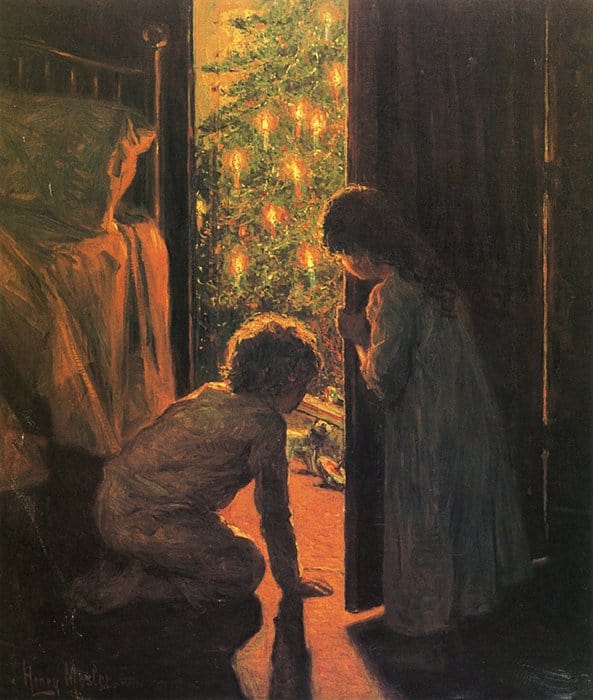
Потому Церковь и запрещает гадания. Ведь Бог только там, где свобода. Это выразилось в том, что Он родился не в римском императорском дворце, не в палатах царя Ирода. Он появился на свет в пещере, где в непогоду прячут животных. Его Рождество не сопровождалось громом и молниями. Бог никому не хотел доказывать, что Иисус – Тот Самый Божий Сын, Которого все ждут. Он предоставил человеческому сердцу свободу выбора: поверить в Рождество или нет.
Итак, до Рождества Христова остались считанные часы. Впереди самое строгое время поста. Но не стоит относиться к этому трагически. Есть в Евангелии замечательные слова – «всегда радуйтесь». Они относятся ко всему, что делает человек, даже к посту. В противном случае ни пост, ни Сочельник просто не имеют смысла.
Смотрите также:
Что такое Сочельник
Рецепты Рождественского сочельника
Церковь и магия: почему христиане не гадают на Рождество
На заставке фрагмент фото flickr.com/vainsan
7 января в России ежегодно отмечается Рождество Христово – самый значимый и любимый праздник у православных христиан. Но не менее важен и день перед рождением Христа – Рождественский сочельник, или Навечерие Рождества Христова. В народе этот день называют также «сочевник», «кутейник», «коляда», «свят вечер».
В ночь с 6 на 7 января необходимо соблюдать все традиции и обычаи – только так можно защитить себя от бед и несчастий на весь год и достойно встретить Рождество Христово. О том, как празднуется сочельник и какие блюда можно есть в этот день, рассказываем в материале РЕН ТВ.
Когда празднуют Рождественский сочельник
Русские православные христиане празднуют сочельник перед Рождеством 6 января по Юлианскому календарю. В этот день заканчивается Рождественский пост, который длился с 28 ноября.
У католиков праздник называется Рождественский сочельник, или Вигилия, и отмечается 24 декабря. Во многих странах в этот день верующие соблюдают строгий пост.
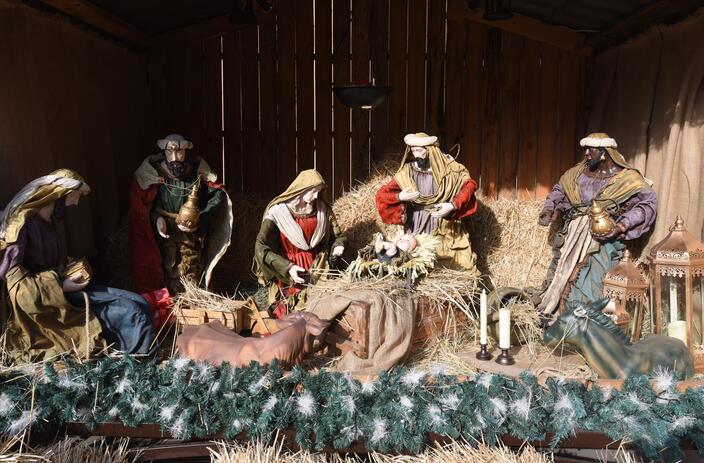
Фото: © РИА Новости/Арам Нерсесян
Суть и значение праздника
Сочельник – церковный праздник, с которым связано много традиций, примет и поверий. При этом в отличие от Рождества он не входит в число двунадесятых праздников.
Это вечер перед одним из Великих праздников, посвященным рождению Спасителя. Для многих верующих он знаменателен тем, что в этот день снимаются все запреты на еду.
Название праздника сочельник произошло от традиционного блюда – сочиво. Это было главное кушанье на ужине после строгого поста. В народе сочиво еще называют «коливо» и «кутья».
История Рождественского сочельника
Первое описание празднования Сочельника датируется V веком нашей эры. В Библии говорится, что праздник берет начало в тот день, когда Богородица вместе с Иосифом обручником прибыли в Вифлеем, чтобы Иисус родился в городе царя Давида.
Православная церковь приняла праздник только в 4 веке. Сочельнику были посвящены тексты и песнопения, которые читаются только на службах в день Навечерия. На Руси Сочевник отмечали два раза в год – перед Рождеством и Крещением. Эта традиция сохранилась у православных и сейчас.
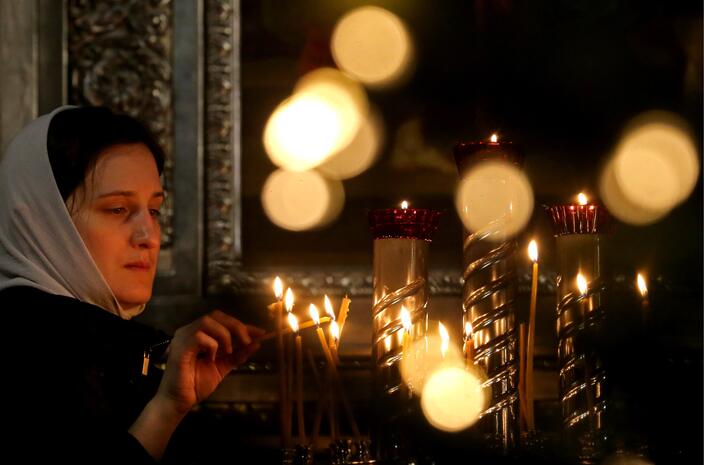
Фото: © Александр Демьянчук/ТАСС
Традиции Рождественского сочельника
Самый главный обычай очельника связан с употреблением пищи. До появления первой звезды ни один верующий не должен есть. Когда-то появление Вифлеемской звезды возвестило о рождении Иисуса Христа, именно поэтому появился запрет на трапезу. Однако на сегодняшний день это правило не соблюдается так строго, и можно есть сразу после того, как закончится литургия (традиционно в праздник посещают церковь и читают молитвы).
Согласно народному обычаю, стол накрывают белой скатертью, а перед ужином глава семейства читает молитву и отрывок из Евангелия. Во время сочельника и самого застолья нельзя ругаться и ссориться. Кроме того, как и в другие церковные праздники, в канун Рождества нельзя заниматься работой по дому. Поэтому все приготовления лучше закончить перед сочельником.
На Руси в этот день предпочитали оставаться дома. Только молодые девушки и юноши ходили в гости, гадали и веселились.
Пост в Рождественский сочельник
Рождественский пост считается одним из самых долгих и строгих. Верующие соблюдают его 40 дней, чтобы очистить душу от грехов и подготовиться к празднику Рождества. Он начинается 28 ноября и завершается 6 января, в сочельник.
Блюда в Рождественский сочельник
Очень важно, чтобы на столе в Рождественский сочельник было не менее 12 блюд. В середине стола обязательно должно стоять сочиво. Для его приготовления понадобятся:
- зерна пшеницы – 1 стакан
- мак – 2 ст. л.
- изюм – 150 гр.
- грецкие орехи – 50 гр.
- мед – 3 ст. л.
- соль – щепотка.
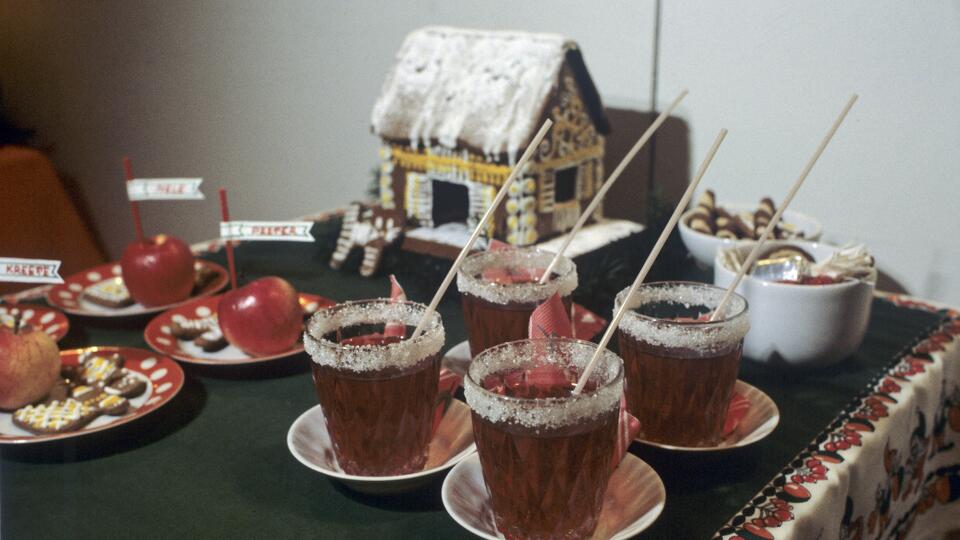
Фото: © РИА Новости/Вольдемар Мааск
Приготовление
Цельные зерна пшеницы необходимо залить холодной водой и дать настояться пару часов. После этого следует переложить размоченные пшеничные зерна в другую емкость, залить их водой (пропорция примерно 1:3), посолить и отправить на небольшой огонь. Изюм и мак также нужно залить кипятком и дать настояться. Затем мак следует перетереть в блендере.
Лишнюю жидкость от настоявшейся пшеницы необходимо слить, пропаренные зерна должны сохранить упругость. После этого добавляем изюм, мак и дробленные грецкие орехи. Затем наливаем в чашку около 70 миллилитров воды, добавляем мед и перемешиваем. После этого перемешаем все ингредиенты сразу, и блюдо готово.
На стол в сочельник также подают борщ, голубцы, вареники, кашу, жареную или печеную рыбу, пироги, узвар (компот из сухофруктов), винегрет, блюда из гороха и фасоли, блины, грибы.
Гадания
Еще одной традицией в сочельник были гадания. В ночь перед Рождеством молодые девушки собирались вместе и гадали с помощью разных предметов: зеркала, воска, колец, валенок. Так они пытались узнать свое будущее – жениха, количество будущих детей. Причем в старину гадали также и взрослые женщины.
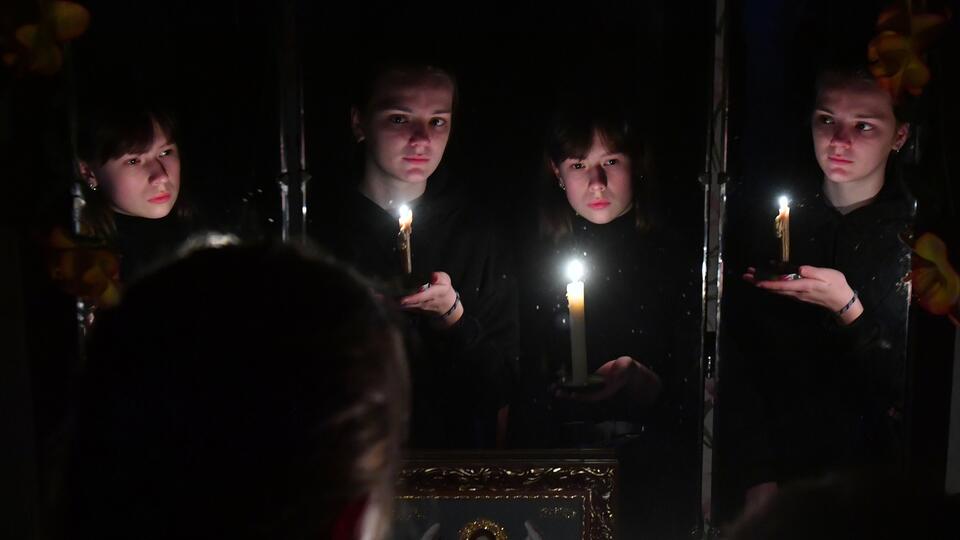
Фото: © РИА Новости/Владимир Рогалевич
Богослужение в Рождественский сочельник
Главной религиозной традицией считается посещение церкви. На рождественском богослужении можно помолиться за себя и своих близких, а также поставить свечи за упокой усопших и за здоровье живых.
Каждый год в сочельник во всех православных храмах прочитываются восемь особых рождественских паремий.
«Паремии» по-гречески – притчи. Фактически это отрывки из Священного Писания, чаще всего из Ветхого Завета, которые в древности читались на литургии, а с VII-VIII века стали читаться на вечерне. Сегодня паремии читаются на богослужении для того, чтобы передать суть праздника глубже.
Рождественские паремии сосредоточены на событии рождения Спасителя. Тексты раскрывают перед слушающими чудо рождения Мессии от Девы – Пресвятой Богородицы, место его рождения – Вифлеем, чудесные события, связанные с этим праздником.
Молитвы в Рождественский сочельник
Считается, что молитвы, произнесенные в канун Рождества, обладают особой силой. Они будут действенны лишь в том случае, когда молящийся полностью раскрывает свою душу и искренне молится.
В праздник нужно молиться иконам Пресвятой Богородицы, Младенца Христа и Апостола Петра, в зависимости от цели молитвы. К Богоматери обращаются с просьбой о появлении детей и о здоровье семьи, Младенцу Спасителю – о мире и благоденствии, Апостолу Петру – об исцелении тяжелой болезни.
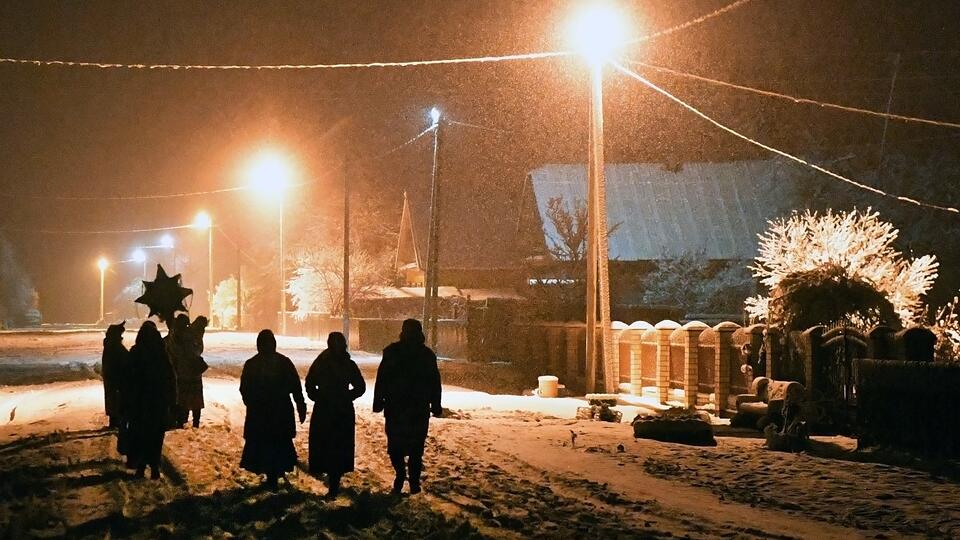
Фото: © РИА Новости/Виктор Драчев
Приметы в Рождественский сочельник
- Каким был день Рождественского сочельника, таким и будет декабрь.
- Если в день праздника снежная погода, будет урожай хлеба.
- Выносить мусор в сочельник – к несчастью.
- Сон, приснившийся в ночь с 6 на 7 января, считается вещим.
- Если в сочельник попариться в бане, то человек будет защищен от недугов весь год.
Славянские традиции и обряды в ночь перед Рождеством
На Руси в сочельник по традиции жгли костры. Считается, что таким образом люди встречали рождение Иисуса Христа и по этому поводу вокруг огня устраивали веселье и пели песни. Также существует мнение, что люди так сочувствуют Младенцу, которому было суждено родиться в холодное время года.
 6 января — Рождественский сочельник, канун Рождества (Фото: Pikoso.kz, по лицензии Shutterstock.com)
Вечер 6 января — Рождественский сочельник, канун Рождества. В народе его также называют «коляды». Значение святой ночи появления на свет Богомладенца Христа столь велико, что даже ход новой истории и наше летосчисление мы сегодня ведем именно от Рождества Христова. На Руси же этот праздник был особенно любим.
Сочельник — навечерие Рождества Христова, заключительный день Рождественского поста. Традиционно в этот день в пищу можно было принимать лишь так называемое сочиво — размоченные зерна пшеницы с медом и фруктами. Эта традиция и дала название празднику.
Богослужения в храмах полностью посвящены наступающему празднику.
В Рождественский сочельник до «вечерней звезды», то есть до вечерних песнопений за Богослужением «Волхви же со звездою путешествуют», ничего не ели и даже не садились за стол. С появлением же на небе первого радостного огонька, который возвестил когда-то волхвам о рождении Спасителя, можно было начинать праздновать.
Главное кулинарное событие Рождества — это ужин в сочельник. На Руси в канун Рождества люди обязательно клали на стол пучок свежего сена — в память о яслях, в которых родился Иисус. Стол накрывали белоснежной скатертью и расставляли на нем двенадцать блюд — по числу апостолов — и все блюда были постными.
С наступлением 7 января на стол разрешалось ставить и мясные блюда.
Материалы по теме в Журнале Calend.ru:
• Статья «Как привлечь в дом деньги, любовь и удачу в Новом году: рождественские ритуалы»
• Рассказ «Первый Сочельник»