
From Wikipedia, the free encyclopedia
(Redirected from Kukur Puja)
| Kukur Tihar | |
|---|---|
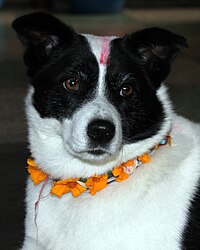
Dog bedecked with flower garlands |
|
| Official name | कुकुर तिहार |
| Also called | Festival of Dogs |
| Type | Religious |
| Celebrations | Honouring dogs |
| Observances | Prayers and religious rituals |
| Date | Kārtika māsa kṛṣṇa pakṣa chaturdashi tithi |
| 2022 date | 24 October 2022 |
| Frequency | Annual |
Kukur Tihar (also called Narak Chaturdashi, Nepali: कुकुर तिहार) is an annual Hindu festival originating from Nepal which falls on the second day of the festival of Tihar (around October or November). On this day, people worship dogs to please Yama, the god of death, as they are considered to be his messengers. Dogs are decorated with tilaka and wear flower garlands around their necks. Worshippers offer them various foods including meat, milk, eggs, and dog food. It is considered a sin if someone acts disrespectfully to a dog on this day.
Kukur Tihar is also celebrated worldwide by the Nepalese diaspora.
Background[edit]

Tihar is a five-day-long Hindu festival originating from Nepal; it is the second-largest festival in the country, after Dashain.[3][4][5] Kukur Tihar is celebrated on the second day of Tihar.[4][6] During the festival of Tihar, many animals including cows and crows are also worshipped.[7][8]
In the ancient Sanskrit epic Mahabharata, the five Pandavas on their way to heaven are accompanied by a dog.[9] The five Pandavas with their wife Draupadi and brothers climb the Himalayas; all of them except Yudhishthira and his dog perishing along the way.[10] Then Yudhishthira meets Indra, King of the gods, who welcomes him to heaven but tells him he has to leave his dog behind.[10][11] Yudhishthira refuses to enter heaven without his dog and says he will go back to earth.[10][12][13] The dog disappears and it is replaced by Yama, the god of death; Indra is impressed by his actions and then his righteousness opens the gates of heaven for Yudhishthira.[10][11]
In Hindu mythology, Yama has two dogs—Shyama and Sharvara—who guard the door of hell.[14] Nepali Hindus believe that by worshipping dogs they start to see death positively, because a dog follows them in their final journey.[15] They hope that dogs will guard them against the torture in hell.[15] Dogs are considered to be a companion of Yama and to please him, dogs are worshipped.[4][16]
According to ABC Science, dogs might have been first domesticated in Nepal and Mongolia.[17]
Celebrations[edit]
|
Hindu festival dates The Hindu calendar is lunisolar but most festival dates are specified using the lunar portion of the calendar. A lunar day is uniquely identified by three calendar elements: māsa (lunar month), pakṣa (lunar fortnight) and tithi (lunar day). Furthermore, when specifying the masa, one of two traditions are applicable, viz. amānta / pūrṇimānta. Iff a festival falls in the waning phase of the moon, these two traditions identify the same lunar day as falling in two different (but successive) masa. A lunar year is shorter than a solar year by about eleven days. As a result, most Hindu festivals occur on different days in successive years on the Gregorian calendar. |
|
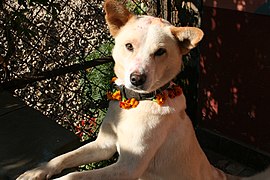
Tihar is celebrated around October or November every year.[18] During the festival, dogs are worshipped, bathed, and decorated with tilaka, which is made from kumkuma or gulal powders with rice and yoghurt.[15][19] Flower garlands are draped around their necks and they are offered food including meat, milk, eggs, and dog food.[4] Police dogs and stray dogs are also honoured.[20] Kukur Tihar also celebrates the relationship between dogs and humans.[21] It is considered a sin if someone behaves disrespectfully to a dog on this day.[22]
Reception[edit]
After the April 2015 Nepal earthquake, Animal Nepal used the occasion of the festival to promote awareness about dogs who became homeless.[20] The Kathmandu Post reported that people were buying foreign breeds of dogs which left the local dogs in the streets.[23]
Kukur Tihar spread around Mexico in 2016 to make people aware of respecting animals.[24] Special Broadcasting Service reported that many Nepalis in Australia were also celebrating the festival.[25][26] In 2008. Asian Art in London celebrated the festival by creating a dog walk charity event.[27] Also in 2016, Kathmandu Metropolitan City with the help of Humane Society International and Jane Goodall Institute Nepal created a program to «humanely manage urban dog population».[28] An educational assessment done by International Companion Animal Management Coalition (ICAM Coalition) found that dogs in the capital of Nepal were «generally healthy and accepted by the community».[29]
In 2018, a dog named Kushal was named «The Best Dog of the Year» by the Nepal Police on the occasion of the festival after the dog helped discover the murderer of a 10-year-old girl.[30]
After the Chinese Lychee and Dog Meat Festival, in which festival-goers eat dog meat and lychees, garnered international outrage, One Green Planet described Kukur Tihar as «[it] will restore your faith in humanity».[31] People on social media contrasted the Chinese festival with Kukur Tihar and The Dodo reported that «[it gave] heartbroken dog lovers a reason to feel hopeful again».[32] In a 2016 newspaper article, the President of Animal Nepal appealed to Nepalis «to take a pledge this Kukur Tihar, to not just worship your pets on this day but to do the right thing for them all year round. Unchain and uncage your dogs, learn to interact with them, take them for walks, understand their feelings, …»[33] A 2007 BBC photo essay also pointed out the need to improve the treatment of Nepali dogs which, «during the rest of the year, are not generally well treated…»[34]
Gallery[edit]
-

Dog bedecked with flower garlands
-
Kukur Tihar is celebrated on the second day of five–day Tihar festival, a day before Dipawali.
-

The feet and forehead of dog are adorned with a red tika
-

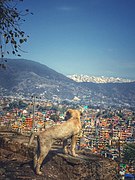
Alongside pet dogs, stray dogs are also worshipped on this day.

See also[edit]
- Tihar
- Dashain
- Ghode Jatra
References[edit]
- ^ «Kukur Tihar, Laxmi Puja being observed today amid COVID-19 pandemic». The Himalayan Times, 14 November 2020. Retrieved 14 November 2020
- ^ «२०७८ सालको तिहारपर्व सँग सम्वन्धित दिन तथा साईतहरू». Nepal Panchanga Nirnayak Samitee (in Nepali). Retrieved 1 November 2021.
{{cite web}}: CS1 maint: url-status (link) - ^ «Market in border area bustling». The Himalayan Times. 9 November 2020. Retrieved 10 November 2020.
- ^ a b c d «Nepal festival celebrates ‘day of the dogs’«. BBC. 6 November 2018. Archived from the original on 27 October 2020. Retrieved 27 October 2020.
- ^ Prasain, Krishana (21 October 2020). «Nepal’s biggest festival Dashain fails to lift the market mood, buyers and sellers say». The Kathmandu Post. Archived from the original on 10 November 2020. Retrieved 10 November 2020.
- ^ Devleesschauwer, Brecht; et al. (12 February 2016). «Epidemiology, Impact and Control of Rabies in Nepal: A Systematic Review». PLOS Neglected Tropical Diseases. 10 (2): e0004461. doi:10.1371/journal.pntd.0004461. ISSN 1935-2735. PMC 4752342. PMID 26871689.
- ^ Kelly, Erin (5 October 2015). «In Nepal, Every Dog Has Its Day. Literally». All That’s Interesting. Archived from the original on 27 October 2020. Retrieved 27 October 2020.
- ^ Devkota, Mahima (3 November 2021). «Why do we worship crows and dogs?». The Rising Nepal. Archived from the original on 3 November 2021. Retrieved 21 November 2021.
- ^ Shahani, Shradha (22 October 2019). «In Nepal, Diwali is a time to worship the dogs». Condé Nast Traveller. Archived from the original on 27 October 2020. Retrieved 27 October 2020.
- ^ a b c d Vajpeyi, Ananya (29 June 2019). «Epic lessons for Kali Yuga: Rereading the ‘Mahabharata’ in our contemporary moment». The Hindu. ISSN 0971-751X. Archived from the original on 27 October 2020. Retrieved 27 October 2020.
- ^ a b Singh, Sudeshna (8 April 2020). «Interested in the Mahabharata? Know how the Pandavas died». Times Now. Archived from the original on 27 October 2020. Retrieved 27 October 2020.
- ^ Das, Gitanjali (6 September 2020). «Explained: After Modi’s push, a look at the several dog breeds native to India». The Indian Express. Archived from the original on 27 October 2020. Retrieved 27 October 2020.
- ^ «Day of the Dog: A day before Diwali, Nepal celebrates ‘dog puja festival’ with fervour – See pics». Times Now. 7 November 2018. Archived from the original on 27 October 2020. Retrieved 27 October 2020.
- ^ «Dogs worshipped on Kukur Tihar». The Kathmandu Post. 10 November 2015. Archived from the original on 27 October 2020. Retrieved 27 October 2020.
- ^ a b c Marak, Queenbala; Chaudhuri, Sarit K. (28 February 2020). The Cultural Heritage of Meghalaya. Routledge. ISBN 978-1-000-07182-5. Archived from the original on 28 October 2020. Retrieved 28 October 2020.
- ^ «Kukur Tihar, Laxmi Puja observed; Bhai Tika tomorrow». The Himalayan Times. 28 October 2019. Archived from the original on 27 October 2020. Retrieved 27 October 2020.
- ^ Images, Timothy Allen/Getty (20 October 2015). «Dogs may have been first domesticated in Nepal and Mongolia». ABC News. Australian Broadcasting Corporation. Archived from the original on 27 October 2020. Retrieved 27 October 2020.
- ^ Dahal, Phanindra (2 October 2020). «Covid: God may punish Nepal for cancelling rites, religious leaders warn». BBC. Archived from the original on 28 October 2020. Retrieved 28 October 2020.
- ^ «Did you know there is a dog puja festival in Nepal on Choti Diwali day?». The Indian Express. 18 October 2017. Archived from the original on 27 October 2020. Retrieved 27 October 2020.
- ^ a b «Dogs in Nepal enjoy treats, affection». Gulf Times. 30 October 2016. Archived from the original on 14 November 2016. Retrieved 27 October 2020.
- ^ Whitehead, Joanna (8 November 2018). «This Nepalese festival has an entire day devoted to celebrating dogs». The i. Archived from the original on 27 October 2020. Retrieved 28 October 2020.
- ^ Mayol, Taylor (20 October 2015). «All Dogs Go to Heaven … in Nepal». OZY. Archived from the original on 27 October 2020. Retrieved 27 October 2020.
- ^ «Kukur Puja for rescued dogs». The Kathmandu Post. Archived from the original on 28 October 2020. Retrieved 28 October 2020.
- ^ «Mexico adopts Kukur Tihar». Nepali Times. 12 November 2018. Archived from the original on 27 October 2020. Retrieved 27 October 2020.
- ^ «Every dog has its ‘favourite’ day in Nepal». SBS. Archived from the original on 27 October 2020. Retrieved 27 October 2020.
- ^ ««Happy Dog Day»: Nepalis in Australia celebrate their favorite companion for a Hindu festival». SBS. Archived from the original on 27 October 2020. Retrieved 27 October 2020.
- ^ Moore, Susan (1 November 2008). «Asian art market: Asian Art in London offers up an extraordinary range of works from every corner of the continent. Susan Moore selects some highlights». Apollo. 168 (559): 108–110. Archived from the original on 28 October 2020. Retrieved 28 October 2020.
- ^ «Nepal’s First Metropolitan Dog Management Program – «Manumitra» – Launched in Kathmandu». Humane Society International. 20 April 2016. Archived from the original on 27 October 2020. Retrieved 27 October 2020.
- ^ Kartal, Tamara (29 July 2019). «Manu Mitra: an example of community engagement in Kathmandu, Nepal». ICAM. Archived from the original on 27 October 2020. Retrieved 27 October 2020.
- ^ «‘Special 78’ sniff out murderers for Nepal Police». The Kathmandu Post. Archived from the original on 28 October 2020. Retrieved 28 October 2020.
- ^ «Mad About the Yulin Dog Meat Festival? This Festival in Nepal Will Restore Your Faith in Humanity». One Green Planet. 29 June 2015. Archived from the original on 27 October 2020. Retrieved 27 October 2020.
- ^ Schweig, Sarah V. (26 June 2015). «Dogs Thanked For Friendship And Loyalty in Most Beautiful Festival». The Dodo. Archived from the original on 27 October 2020. Retrieved 28 October 2020.
- ^ «The essence of Kukur Tihar». The Himalayan Times. 29 October 2016. Archived from the original on 27 October 2020. Retrieved 27 October 2020.
- ^ «In pictures: Nepal dogs honoured». BBC. 8 November 2007. Archived from the original on 28 October 2020. Retrieved 28 October 2020.
From Wikipedia, the free encyclopedia
(Redirected from Kukur Puja)
| Kukur Tihar | |
|---|---|
|
Dog bedecked with flower garlands |
|
| Official name | कुकुर तिहार |
| Also called | Festival of Dogs |
| Type | Religious |
| Celebrations | Honouring dogs |
| Observances | Prayers and religious rituals |
| Date | Kārtika māsa kṛṣṇa pakṣa chaturdashi tithi |
| 2022 date | 24 October 2022 |
| Frequency | Annual |
Kukur Tihar (also called Narak Chaturdashi, Nepali: कुकुर तिहार) is an annual Hindu festival originating from Nepal which falls on the second day of the festival of Tihar (around October or November). On this day, people worship dogs to please Yama, the god of death, as they are considered to be his messengers. Dogs are decorated with tilaka and wear flower garlands around their necks. Worshippers offer them various foods including meat, milk, eggs, and dog food. It is considered a sin if someone acts disrespectfully to a dog on this day.
Kukur Tihar is also celebrated worldwide by the Nepalese diaspora.
Background[edit]
Tihar is a five-day-long Hindu festival originating from Nepal; it is the second-largest festival in the country, after Dashain.[3][4][5] Kukur Tihar is celebrated on the second day of Tihar.[4][6] During the festival of Tihar, many animals including cows and crows are also worshipped.[7][8]
In the ancient Sanskrit epic Mahabharata, the five Pandavas on their way to heaven are accompanied by a dog.[9] The five Pandavas with their wife Draupadi and brothers climb the Himalayas; all of them except Yudhishthira and his dog perishing along the way.[10] Then Yudhishthira meets Indra, King of the gods, who welcomes him to heaven but tells him he has to leave his dog behind.[10][11] Yudhishthira refuses to enter heaven without his dog and says he will go back to earth.[10][12][13] The dog disappears and it is replaced by Yama, the god of death; Indra is impressed by his actions and then his righteousness opens the gates of heaven for Yudhishthira.[10][11]
In Hindu mythology, Yama has two dogs—Shyama and Sharvara—who guard the door of hell.[14] Nepali Hindus believe that by worshipping dogs they start to see death positively, because a dog follows them in their final journey.[15] They hope that dogs will guard them against the torture in hell.[15] Dogs are considered to be a companion of Yama and to please him, dogs are worshipped.[4][16]
According to ABC Science, dogs might have been first domesticated in Nepal and Mongolia.[17]
Celebrations[edit]
|
Hindu festival dates The Hindu calendar is lunisolar but most festival dates are specified using the lunar portion of the calendar. A lunar day is uniquely identified by three calendar elements: māsa (lunar month), pakṣa (lunar fortnight) and tithi (lunar day). Furthermore, when specifying the masa, one of two traditions are applicable, viz. amānta / pūrṇimānta. Iff a festival falls in the waning phase of the moon, these two traditions identify the same lunar day as falling in two different (but successive) masa. A lunar year is shorter than a solar year by about eleven days. As a result, most Hindu festivals occur on different days in successive years on the Gregorian calendar. |
|
Tihar is celebrated around October or November every year.[18] During the festival, dogs are worshipped, bathed, and decorated with tilaka, which is made from kumkuma or gulal powders with rice and yoghurt.[15][19] Flower garlands are draped around their necks and they are offered food including meat, milk, eggs, and dog food.[4] Police dogs and stray dogs are also honoured.[20] Kukur Tihar also celebrates the relationship between dogs and humans.[21] It is considered a sin if someone behaves disrespectfully to a dog on this day.[22]
Reception[edit]
After the April 2015 Nepal earthquake, Animal Nepal used the occasion of the festival to promote awareness about dogs who became homeless.[20] The Kathmandu Post reported that people were buying foreign breeds of dogs which left the local dogs in the streets.[23]
Kukur Tihar spread around Mexico in 2016 to make people aware of respecting animals.[24] Special Broadcasting Service reported that many Nepalis in Australia were also celebrating the festival.[25][26] In 2008. Asian Art in London celebrated the festival by creating a dog walk charity event.[27] Also in 2016, Kathmandu Metropolitan City with the help of Humane Society International and Jane Goodall Institute Nepal created a program to «humanely manage urban dog population».[28] An educational assessment done by International Companion Animal Management Coalition (ICAM Coalition) found that dogs in the capital of Nepal were «generally healthy and accepted by the community».[29]
In 2018, a dog named Kushal was named «The Best Dog of the Year» by the Nepal Police on the occasion of the festival after the dog helped discover the murderer of a 10-year-old girl.[30]
After the Chinese Lychee and Dog Meat Festival, in which festival-goers eat dog meat and lychees, garnered international outrage, One Green Planet described Kukur Tihar as «[it] will restore your faith in humanity».[31] People on social media contrasted the Chinese festival with Kukur Tihar and The Dodo reported that «[it gave] heartbroken dog lovers a reason to feel hopeful again».[32] In a 2016 newspaper article, the President of Animal Nepal appealed to Nepalis «to take a pledge this Kukur Tihar, to not just worship your pets on this day but to do the right thing for them all year round. Unchain and uncage your dogs, learn to interact with them, take them for walks, understand their feelings, …»[33] A 2007 BBC photo essay also pointed out the need to improve the treatment of Nepali dogs which, «during the rest of the year, are not generally well treated…»[34]
Gallery[edit]
-
Dog bedecked with flower garlands
-
Kukur Tihar is celebrated on the second day of five–day Tihar festival, a day before Dipawali.
-
The feet and forehead of dog are adorned with a red tika
-
Alongside pet dogs, stray dogs are also worshipped on this day.
See also[edit]
- Tihar
- Dashain
- Ghode Jatra
References[edit]
- ^ «Kukur Tihar, Laxmi Puja being observed today amid COVID-19 pandemic». The Himalayan Times, 14 November 2020. Retrieved 14 November 2020
- ^ «२०७८ सालको तिहारपर्व सँग सम्वन्धित दिन तथा साईतहरू». Nepal Panchanga Nirnayak Samitee (in Nepali). Retrieved 1 November 2021.
{{cite web}}: CS1 maint: url-status (link) - ^ «Market in border area bustling». The Himalayan Times. 9 November 2020. Retrieved 10 November 2020.
- ^ a b c d «Nepal festival celebrates ‘day of the dogs’«. BBC. 6 November 2018. Archived from the original on 27 October 2020. Retrieved 27 October 2020.
- ^ Prasain, Krishana (21 October 2020). «Nepal’s biggest festival Dashain fails to lift the market mood, buyers and sellers say». The Kathmandu Post. Archived from the original on 10 November 2020. Retrieved 10 November 2020.
- ^ Devleesschauwer, Brecht; et al. (12 February 2016). «Epidemiology, Impact and Control of Rabies in Nepal: A Systematic Review». PLOS Neglected Tropical Diseases. 10 (2): e0004461. doi:10.1371/journal.pntd.0004461. ISSN 1935-2735. PMC 4752342. PMID 26871689.
- ^ Kelly, Erin (5 October 2015). «In Nepal, Every Dog Has Its Day. Literally». All That’s Interesting. Archived from the original on 27 October 2020. Retrieved 27 October 2020.
- ^ Devkota, Mahima (3 November 2021). «Why do we worship crows and dogs?». The Rising Nepal. Archived from the original on 3 November 2021. Retrieved 21 November 2021.
- ^ Shahani, Shradha (22 October 2019). «In Nepal, Diwali is a time to worship the dogs». Condé Nast Traveller. Archived from the original on 27 October 2020. Retrieved 27 October 2020.
- ^ a b c d Vajpeyi, Ananya (29 June 2019). «Epic lessons for Kali Yuga: Rereading the ‘Mahabharata’ in our contemporary moment». The Hindu. ISSN 0971-751X. Archived from the original on 27 October 2020. Retrieved 27 October 2020.
- ^ a b Singh, Sudeshna (8 April 2020). «Interested in the Mahabharata? Know how the Pandavas died». Times Now. Archived from the original on 27 October 2020. Retrieved 27 October 2020.
- ^ Das, Gitanjali (6 September 2020). «Explained: After Modi’s push, a look at the several dog breeds native to India». The Indian Express. Archived from the original on 27 October 2020. Retrieved 27 October 2020.
- ^ «Day of the Dog: A day before Diwali, Nepal celebrates ‘dog puja festival’ with fervour – See pics». Times Now. 7 November 2018. Archived from the original on 27 October 2020. Retrieved 27 October 2020.
- ^ «Dogs worshipped on Kukur Tihar». The Kathmandu Post. 10 November 2015. Archived from the original on 27 October 2020. Retrieved 27 October 2020.
- ^ a b c Marak, Queenbala; Chaudhuri, Sarit K. (28 February 2020). The Cultural Heritage of Meghalaya. Routledge. ISBN 978-1-000-07182-5. Archived from the original on 28 October 2020. Retrieved 28 October 2020.
- ^ «Kukur Tihar, Laxmi Puja observed; Bhai Tika tomorrow». The Himalayan Times. 28 October 2019. Archived from the original on 27 October 2020. Retrieved 27 October 2020.
- ^ Images, Timothy Allen/Getty (20 October 2015). «Dogs may have been first domesticated in Nepal and Mongolia». ABC News. Australian Broadcasting Corporation. Archived from the original on 27 October 2020. Retrieved 27 October 2020.
- ^ Dahal, Phanindra (2 October 2020). «Covid: God may punish Nepal for cancelling rites, religious leaders warn». BBC. Archived from the original on 28 October 2020. Retrieved 28 October 2020.
- ^ «Did you know there is a dog puja festival in Nepal on Choti Diwali day?». The Indian Express. 18 October 2017. Archived from the original on 27 October 2020. Retrieved 27 October 2020.
- ^ a b «Dogs in Nepal enjoy treats, affection». Gulf Times. 30 October 2016. Archived from the original on 14 November 2016. Retrieved 27 October 2020.
- ^ Whitehead, Joanna (8 November 2018). «This Nepalese festival has an entire day devoted to celebrating dogs». The i. Archived from the original on 27 October 2020. Retrieved 28 October 2020.
- ^ Mayol, Taylor (20 October 2015). «All Dogs Go to Heaven … in Nepal». OZY. Archived from the original on 27 October 2020. Retrieved 27 October 2020.
- ^ «Kukur Puja for rescued dogs». The Kathmandu Post. Archived from the original on 28 October 2020. Retrieved 28 October 2020.
- ^ «Mexico adopts Kukur Tihar». Nepali Times. 12 November 2018. Archived from the original on 27 October 2020. Retrieved 27 October 2020.
- ^ «Every dog has its ‘favourite’ day in Nepal». SBS. Archived from the original on 27 October 2020. Retrieved 27 October 2020.
- ^ ««Happy Dog Day»: Nepalis in Australia celebrate their favorite companion for a Hindu festival». SBS. Archived from the original on 27 October 2020. Retrieved 27 October 2020.
- ^ Moore, Susan (1 November 2008). «Asian art market: Asian Art in London offers up an extraordinary range of works from every corner of the continent. Susan Moore selects some highlights». Apollo. 168 (559): 108–110. Archived from the original on 28 October 2020. Retrieved 28 October 2020.
- ^ «Nepal’s First Metropolitan Dog Management Program – «Manumitra» – Launched in Kathmandu». Humane Society International. 20 April 2016. Archived from the original on 27 October 2020. Retrieved 27 October 2020.
- ^ Kartal, Tamara (29 July 2019). «Manu Mitra: an example of community engagement in Kathmandu, Nepal». ICAM. Archived from the original on 27 October 2020. Retrieved 27 October 2020.
- ^ «‘Special 78’ sniff out murderers for Nepal Police». The Kathmandu Post. Archived from the original on 28 October 2020. Retrieved 28 October 2020.
- ^ «Mad About the Yulin Dog Meat Festival? This Festival in Nepal Will Restore Your Faith in Humanity». One Green Planet. 29 June 2015. Archived from the original on 27 October 2020. Retrieved 27 October 2020.
- ^ Schweig, Sarah V. (26 June 2015). «Dogs Thanked For Friendship And Loyalty in Most Beautiful Festival». The Dodo. Archived from the original on 27 October 2020. Retrieved 28 October 2020.
- ^ «The essence of Kukur Tihar». The Himalayan Times. 29 October 2016. Archived from the original on 27 October 2020. Retrieved 27 October 2020.
- ^ «In pictures: Nepal dogs honoured». BBC. 8 November 2007. Archived from the original on 28 October 2020. Retrieved 28 October 2020.
История Дня сурка
Как изменилось отношение к празднику со временем
«Зачем нам этот День сурка?». Примерно так многие реагируют на новость, что в США или Канаде этот праздник. И реакция вполне понятна. В России такая североамериканская традиция так и не прижилась. Поэтому, будем честными, первое, что приходит нам в голову при упоминании этого праздника — одноименный фильм с Биллом Мюрреем, где его герой застрял во временной петле и 38 дней начинал свое утро со Дня сурка.
Но! Несмотря на общий скептический настрой, День сурка, или сурков день — относительно популярный запрос в поисковиках. Его «гуглят» в 100 раз чаще, чем ту же Масленицу. Причем речь именно о празднике — не о фильме. Это значит, что любопытство такая традиция все же вызывает.
Из нашей статьи ты узнаешь, когда отмечают День сурка в 2023 году, почему именно этого грызуна сделали символом праздника и откуда вообще пошла традиция.
Когда День сурка в 2023 году: история праздника и традиции
День сурка (на англ. Groundhog Day) не только американский праздник. Его также отмечают в Канаде. История праздника берет начало от суеверия пенсильванских голландцев — так называли немецких иммигрантов, которые основались в штате Пенсильвания в 17-18 веках. Они переезжали в основном из Нидерландов и немецкоязычных территорий Европы. Так вот, эти переселенцы верили, что сурок может предсказать, какой будет весна и как скоро она придет на смену холодам. В Пенсильвании не такая приятная погода как на юге США — здесь есть полноценные зимы и переходные периоды, — поэтому для землевладельцев тех времен жизненно важно было понимать, когда начнется «год фермера». В отдельной статье мы писали о народных приметах на урожай в России.
Первое упоминание о Дне сурка в США датировано 1840 годом. Некий Джеймс Л. Моррисон, житель Пенсильвании, записал в своем дневнике, как его новые соседи-немцы устраивали подобный праздник.
День сурка отмечают ежегодно 2 февраля. Эта дата выбрана не просто так — в этот день католики празднуют Сретение Господне — один из старшейших христианских праздников. У православных он 15 февраля. Среди католических традиций на Сретение была и такая, как ориентир на поведение барсука после зимней спячки. Считалось, что:
- если животное выйдет из норы в солнечный день, увидит свою тень, испугается и вернется обратно, то зима продлится еще четыре-шесть недель;
- если же барсук увидит тень в облачную погоду, то весна наступит быстро. В общем, условия звучат довольно странно, но как есть.
На новом месте барсука сменил сурок, который визуально его напоминал.
Существует версия, что суеверие связанное с барсуком (сурком) основано на предании, что ясная погода в праздник Сретения — символ затяжной зимы. Интересно, что в Пенсильвании будят не абы каких сурков, а только тех, что живут в Грундсоу — в голландской провинции штата. Сурка, которого избрали для столь почетной миссии, нарекают Панксатони Фил. Первая часто имени — это название города, который в США считают родиной Дня сурка. Там праздник отмечают с особым размахом.
Интересные факты
Так выглядит памятник сурку в Иркутской области. Внеся зверька в историю города, ему отдали дань, ведь именно из шкурок сурков в перестроечные годы, когда в городе Ангарск остановилось производство, шили шапки.
- Первым о том, что традицию отмечать День сурка привезли именно католики из Германии, сказал ученый Рис Карпентер. Исследователь аргументировал свои слова тем, что на Британских островах подобного торжества не было. Было похожее, но вместо барсука (сурка) там был еж. Поэтому, если праздник привезли иммигранты из тех мест, символ точно был бы другой.
- В Нью-Йорке и Нью-Джерси решили отличиться. Их сурков зовут не Фил. Нью-Йоркцы ждут пробуждения Чака, жителя Статен-айлендского зоопарка. В Нью-Джерси приход весны зависит от сурка Мэла. В прошлом году праздник пришлось отменить из-за смерти постоянного амбассадора. Мэл умер из-за старости — в среднем такие грызуны живут 3-4 года. По словам организаторов мероприятия, найти замену не так-то просто. Видимо, не каждый сурок подойдет на роль «предсказателя».
- В России сурки, кстати, тоже на особо счету. В городах Ангарск (Иркутская область) и Азнакаево (Татарстан) даже есть статуи этих зверьков.
Как изменилось отношение к празднику со временем
Если раньше День сурка был местечковым праздником, то с ростом любви и интереса к нему, традицию подхватили маркетологи. Сейчас этот известный праздник — такой же символ США, как Статуя Свободы. В конце января туристов завлекают на масштабные мероприятия, где главный герой — милый заспанный грызун. В честь этого события устраивают фестивали и продают огромное количество разных вещиц с соответствующей символикой.
В общем, современный День сурка — сезонный коммерческий проект. Современные американцы понимают, что от того, когда животное испугается своей тени — в солнечную или облачную погоду — ничего не зависит, но продолжают поддерживать жизнеспособность праздника, потому что это весело. В День сурка практически все телеканалы ведут трансляции с площадей, где в их городе показывают зверька. Процесс выглядит довольно театрально — задействованные мужчины одеты в костюмы конца 18 века — черные плащи и шляпы-цилиндры.
Вживую посмотреть на это действие собираются сотни людей. Столько же или больше наблюдают за церемонией, сидя дома.

Автор
Редактор рубрики «Стиль жизни».
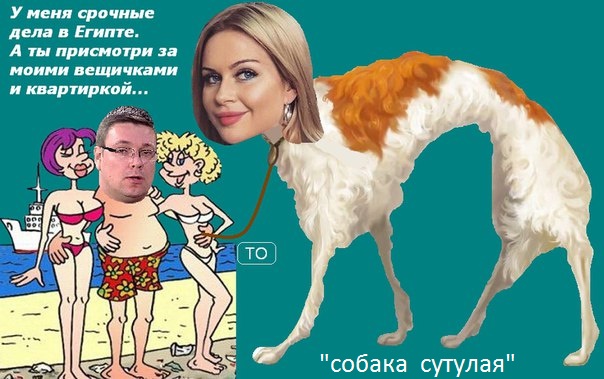
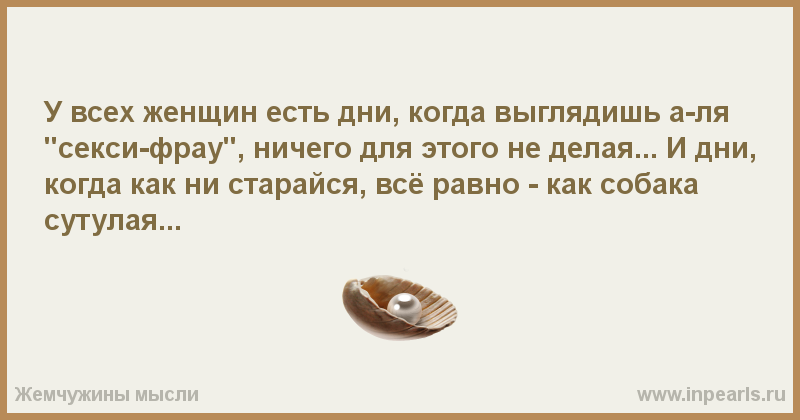
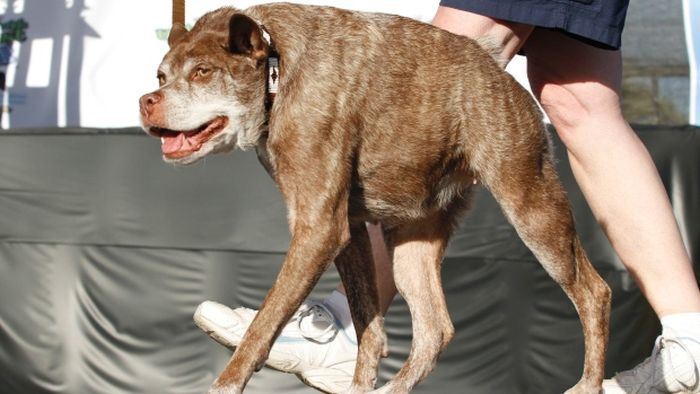
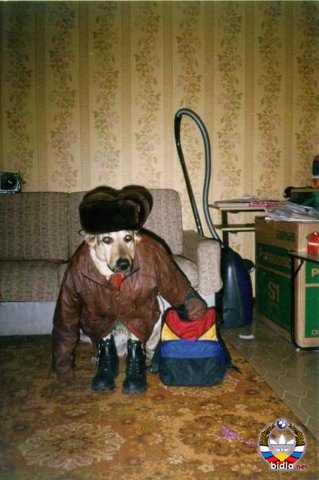
Собака сутулая — оскорбительное выражение, которое может указывать на внешность оппонента, его нелепый вид или глупое, испуганное поведение. Выражение стало особенно популярным после использования в программе “Дом-2”.
Происхождение
Оскорбление “собака сутулая” можно отнести к фольклору — неизвестен его автор и время появления. В июне 2015 года участник реалити-шоу “Дом-2” Евгений Кузин так назвал участницу Камилу Коробейникову. Он не только оскорблял девушку, но и сильно ее толкнул — фрагмент передачи распространился в сети, а фраза стала известной.
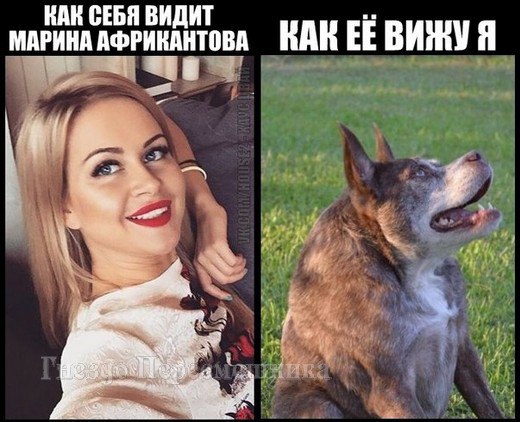
В сентябре 2015 года “сутулой собакой” свою избранницу Марину Африкантову назвал другой участник “Дома-2” Андрей Чуев. Он подписал этим оскорбительным выражением пост “ВКонтакте”.

Значение
Фраза “собака сутулая” используется как оскорбление, прежде всего — внешности человека. Сутулой может быть собака с искривленным позвоночником, как в меме “Макс, иди нахуй”.
Также сутулость у собак проявляется в момент психологического напряжения, стресса или испуга — животное выгибает спину дугой.
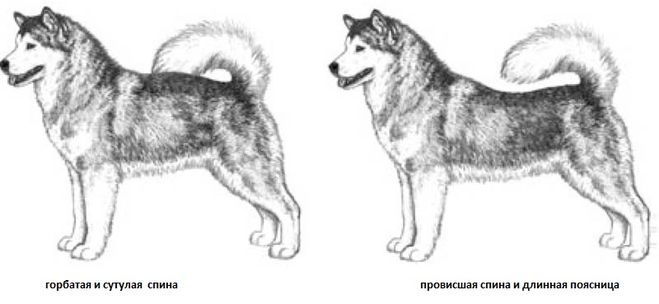
То есть “собака сутулая” может использоваться в негативном ключе, чтобы обвинить человека в трусости.
Галерея

Если вы нашли ошибку, пожалуйста, выделите фрагмент текста и нажмите Ctrl+Enter.

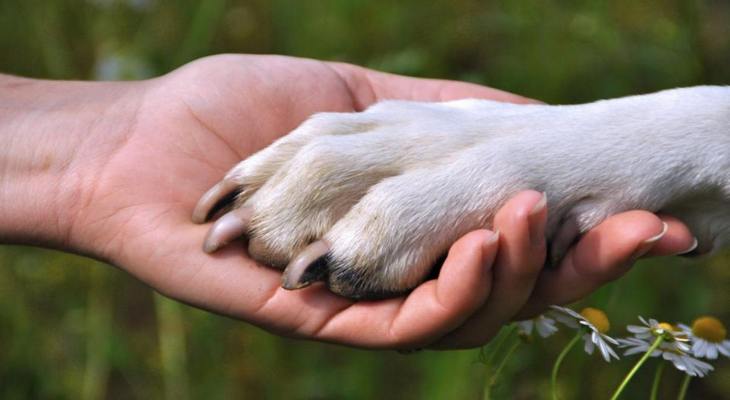
Среди множества праздников, посвященных профессионалам разных областей, разнообразным явлениям и другим поводам есть одна дата, когда любители домашних животных могут отметить Международный день собак. В 2023 году своеобразный праздник приходится на второй июльский день. Торжество не имеет официального статуса с выходными днями, но проходит во многих странах с большим размахом.
История праздника
День собак международного уровня празднуют повсеместно 2 июля, в том числе и в Российской Федерации. Идея введения такого торжества впервые была озвучена в 2012 году на Ассамблее ООН. Предложение было выдвинуто Фондом национальных инициатив. Автором считают информационный тематический сайт Doginfo. Выдвинутое заявление до сих пор не получило решения. Поэтому нет официального подтверждения и объявления об общем празднике.
Собака с древнейших времен признана верным человеческим помощником и спутником, поэтому решение отмечать день лучшего прирученного друга неудивительно. Не смотря на отсутствие официального повода праздновать по этому поводу, ООН положительно отнеслась к идее внедрить это торжество, проводить конкурсы, отмечать заслуги лучших представителей разных пород, посещать приюты. В Российской Федерации заслуги братьев наших меньших отмечают во второй июльский день, а в других странах в разные календарные даты.
Традиции
По всей России в собачий день владельцы устраивают праздники для своих питомцев и принимают участие в массовых праздниках. В этот день принято:
- устраивать конкурсы на выявление призера среди пород. Жюри оценивают экстерьер животных, дрессировку, навыки, поведенческие факторы;
- проводить фестивали среди беспородных собак по разным номинациям – по росту, весу, внешним особенностям, определенному поведению и т. д.;
- навещать приюты, делать перечисления на нужды бездомных животных, помогать общественным организациям с ремонтом, уборкой, выгулом подопечных;
- угощать любимцев полезными лакомствами.
В больших и малых населенных пунктах проводят выставки и митинги. Любители собак могут продемонстрировать своего питомца во всей красе, зоозащитники проводят собрания против негуманного обращения с животными, все желающие могут внести посильный вклад и оказать помощь приютам.
По телевидению в этот день показывают фильмы и сериалы, посвященные подвигам собак, их заслугам, интересным особенностям. Радиоканалы проводят интерактивы и передачи, посвященные этим одомашненным братьям нашим меньшим. В журналах и газетах публикуют тематические статьи и рассказы.
Нет, но была или планирую завести.
10.45%
Нет, не люблю собак.
2.24%
Проголосовало: 134
Какие страны еще празднуют
По всей планете отмечают собачий праздник разные представители множества национальностей. В разных государствах почитают собак в разные даты. Например:
- 26 августа – в Америке. Инициативу законодательно закрепить в календаре именно эту дату выдвинула зоозащитница К. Пейдж еще в 2004 году. На государственном уровне это событие закрепили только в Нью-Йорке, но отмечают праздник во всех штатах;
- 11 января – в Японии. Торжество появилось благодаря истории о безграничной верности пса Хатико;
- последнее апрельское воскресенье – в Великобритании;
- 2 апреля — на Украине;
- 21 апреля — в Белоруссии;
- 1 июля – празднуют собачники Польши.
Больше других собак почитают в государстве Непал. Их считают в этой стране священными животными и посвящают целый день в пятидневном фестивале, который ежегодно проходит с большим размахом.
В большинстве стран, где не сложились традиции почитания древнейших прирученных четвероногих, собачий праздник делают именно 2 июля.
Стать владельцем щенка может каждый желающий, будь то породистое животное или бездомная дворняга. Праздник могут отмечать специалисты, связанные с собаками:
- кинологи спасательных служб, таможни, полиции и ФСИН;
- дрессировщики;
- профессиональные заводчики;
- ветеринары.
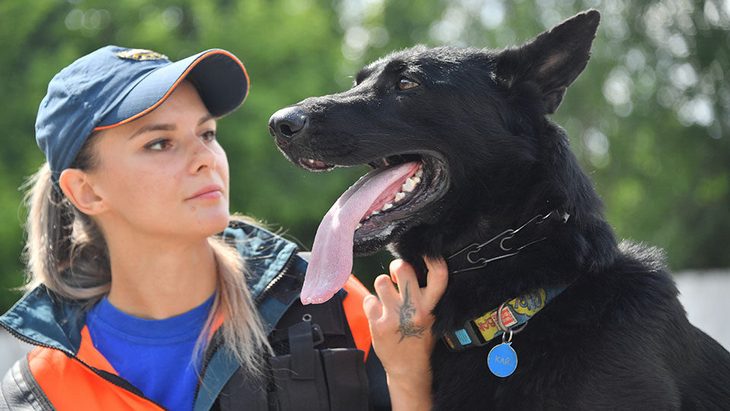
Множество профессий сопряжено с воспитанием собак. Это специалисты, дрессирующие поводырей, собак-компаньонов, поисковиков.
Чтобы иметь работу, связанную с собаками, следует безгранично любить и интересоваться этими животными. Помимо эмоций требуется иметь холодный ум и рассудок, чтобы эффективно взаимодействовать с братьями нашими меньшими. Неважно, кем вы планируете стать – ветеринаром, дрессировщиком или кинологом. Недостаточно получить профильное образование в вузе. К этим видам труда нужно иметь призвание.
Похожие праздники
Собачники могут отпраздновать торжество не только в утвержденные даты. Существует множество поводов поощрить любимого питомца:
- 24 января – лозунг дня «Измени жизнь собаки к лучшему». Посвящен агитации взять с улицы или из приюта бездомного питомца;
- 23 февраля – день выпечки собачьего печенья (мини-тортики из мяса, кусочков овощей).Выпечкой угощают не только домашних любимцев, но и обитателей приютов;
- 13 марта – день национального почета служебных собак из американского армейского корпуса К-9. Основан в 1942 году и посвящен подвигам четвероногих помощников в военное и мирное время;
- 23 марта – всемирный день щенка. Праздник зародился в 2006 году в США и получил всеобщую известность. Цель выделения этой даты – обращение внимания общественности к проблемам неконтролируемого размножения бродячих животных, жестокого обращения с братьями нашими меньшими, переполненности приютов, ненадлежащего содержания питомцев;
- апрель, последняя среда ежегодно – день поводыря. Дань уважения собакам, сопровождающим слабовидящих и слепых людей, отдают в более 60 государствах с 1989 года. Существует специальная международная организация;
- 20 мая – день четвероногих спасателей. Праздник зародился в Америке;
- 21 июня – день российского кинолога. Не имеет официально признанного статуса. Его отмечают профессионалы служб спасения, полиции, охранных ведомств и других подразделений, где дрессируют четвероногих служебных помощников;
- 2 июля – всемирная акция протеста против насилия над животными;
- 26 июля – день собачьей фотографии;
- третья августовская суббота – день, посвященный бездомным четвероногим. Признан международным с 1992 года;
- 23 сентября – день собаки-политика. Торжество посвящено братьям меньшим, которых избрал народ в качестве руководителей (например, мэра в американском штате);
- третья сентябрьская суббота – день ответственного заводчика;
- 4 октября – день животных всемирного масштаба. Основан Гринпис еще в 1931 году;
- 2 декабря – день дворняги.
Первый питомник полицейских собак в России был основан в 1909 году в Санкт-Петербурге.
В любой из этих дней вы можете вспомнить о четвероногих питомцах не только вашей семьи, но и бездомных существах. Если каждый сделает небольшой вклад в сферу защиты собак, совокупный результат будет существенным.

Интересные факты
Собака была одомашнена первой еще древним человеком. С тех пор это животное является постоянным спутником и помощником. Вот некоторые любопытные факты о собачьих представителях:
- Российская Федерация на четвертом мете по числу собак. В тройке лидеров – Америка, Бразилия, Китай;
- 30% собачников считают питомца полноценным членом семьи;
- во многих городах установлены памятники щенкам или взрослым животным. Самый популярный – монумент Хатико в Японии. Эта памятная скульптура посвящена псу, который еще 9 лет ждал своего умершего хозяина на одном и том же месте.
В собачий праздник можно дарить лакомства своим питомцам, организовать шумную вечеринку, приобрести новую амуницию, устроить длительную развлекательную прогулку. Знакомым кинологам и дрессировщикам актуальным презентом будут гаджеты, качественная обувь, полезные подписки.
Суеверия
Сколько веков существует собака рядом с человеком, столько времени люди гадают над таинственностью этого животного. По этой причине сложилось множество домыслов, примет, суеверных традиций, связанных с четвероногими хвостатыми охранниками. Самые интересные из них:
- облизывание обуви – к неудачному пути;
- катание на спине у порога – к неожиданным гостям;
- скулеж, отказ от еды – к затяжному погодному ненастью;
- поедание снега – к скорой метели;
- сон в расслабленной позе – к хорошей, теплой погоде, а свернувшись калачиком – к лютым морозам;
- чужая собака на пороге в Англии – быть беде, а в Шотландии – к хорошим переменам;
- собака пропала, не вернулась – отвела от жилища беду или болезнь;
- помощь в поиске потерявшегося пса – зов клички в печную трубу и последующая истопка печи;
- облаяла черная собака – к ссоре с близкими;
- взять домой рыжего щенка – улучшить финансовое благополучие;
- видеть белого пса утром – к удачному дню;
- серый питомец – хорошая охрана дома;
- бродячая дворняга ласкается у ног – к неожиданным подаркам;
- собачий укус – к предательству друзей.
Самым гуманным способом завести собаку считается приобретение щенка в приюте. В мире слишком много бездомных и несчастных животных. Беспородные особи и скитающиеся псы – это самые верные питомцы с крепким иммунитетом. Помогите по мере своих возможностей четвероногим питомцам, чтобы вместе с хвостатым другом праздновать собачий праздник 2 июля или в другой торжественный день.

В детстве обожала Новый год. Могла часами проводить время под елкой, выдумывая и рассказывая увлекательные (как я думала) истории про Деда Мороза и Снегурочку кошке Бусинке. Восторг от праздника испытываю и по сей день.