
Обновлено: 31.01.2023
Конечно, вы без всякой регистрации можете покупать билеты, узнавать расписания, бронировать отели и т.п.
Но после регистрации все это станет удобнее и быстрее.
В любой момент вы сможете
- распечатать бланк заказа или маршрутной квитанции,
- заказать звонок оператора и т.п.,
- посмотреть историю заказов.
Личный кабинет мы сделали совсем недавно. Уже скоро его возможности ощутимо расширятся.
Стоимость
Об Индии
Курорты Индии
14 января в Индии проводится Международный фестиваль бумажных змеев. Запускают их в Ахмедабаде — тысячи любителей воздушных змеев со всего мира отправляют в небо множество ярких змеев.
Холи — самый красочный в буквальном смысле праздник Индии. В этот день принято посыпать друг друга цветным порошком — считается, что чем больше красок на одежде и коже, тем больше хороших пожеланий направлено в адрес человека. В 2021 году праздник выпадает на 28 марта.
День рождения Ганеша, многорукого бога с головой слона, широко отмечают в Индии. В 2021 году праздник начнется 10 сентября. Десять дней Ганешу возносятся молитвы, к его статуям приносят фрукты, молоко кокосовых орехов, цветы и сладости. В финале праздника статуи Ганеша погружают в воду.
Один из самых красивых праздников Индии — Дивали. В 2021 году он отмечается 4-8 ноября. Этот день посвящен Лакшми, богине богатства, любви и плодородия. Повсюду зажигаются миллионы свечей и фонариков, небо раскрашивается фейерверками. Дивали — день победы света над тьмой, добра над злом. Сыграть свадьбу во время Дивали в Индии считается гарантией долгого и счастливого брака.
Попасть на праздники Индии можно в любое время года и вы окажетесь в гуще событий. Дома, машины, повозки украшают цветочными гирляндами на индийские праздники. Женщины надевают свои лучшие сари во время индийских фестивалей. А из храмов раздается невероятный запах благовоний. В продолжении цикла статей об Индии расскажем о них подробней.
Фестивали Индии объединяют общество, разделенное традициями и кастами, а еще помогают забыть о тяжелой действительности и дают надежду, что боги облегчат участь если не в этой жизни, то в следующей. Ну а для туристов это лучшая возможность ближе познакомиться с культурой страны. Все торжества яркие и очень необычные для простого европейца, особенно стоит отметить фестиваль красок Холи и праздник Дивали. О других праздниках расскажем подробнее ниже.
День независимости Индии
15 августа 1947 года страна провозгласила независимость от Британской империи. И каждый год в эту дату премьер-министр поднимает национальный флаг над Лал-Кила – исторической крепостью в Дели – и читает обращение к гражданам.
День республики Индии, принятие конституции Индии
26 января индийцы отмечают появление основного закона страны. Неотъемлемая черта торжества – яркие уличные процессии во всех уголках Индии. В столице проходит военный парад, костюмированные шествия школьников и фестивали танцев и музыки.
Ганди Джаянти, день рождения Ганди
2 октября 1869 года родился Махатма Ганди. Эта дата отмечается во всех штатах и союзных территориях, но основные события – в Дели, возле могилы Ганди. Почтить память собираются самые разные люди: от руководителей Республики до обычных индийцев.
Махашиваратри, Шиваратри, Маха шиваратри
Перед новолунием последнего лунного цикла зимы не спит вся страна. В ночь Шивы не принято спать. В это время индуисты вспоминают мифы о древнем божестве и воспевают его подвиги. Не удивляйтесь, если гуляя по улицам, увидите много лингамов – это символ празднества.
Ратха ятра — великий фестиваль Божества, праздник колесницы
В июне-июле (по ведическому календарю – Ашадха) статую Господа Джаганнатхи вывозят из храма города Пури на большой колеснице. Это божество – одно из воплощений Кришны-Вишну, а его «путешествие» воспроизводит событие из индийской мифологии. Повозки с Джаганнатхой, его братом Баларамой и сестрой Субхадрой везут через весь Пури. Причем тащат их не слоны или лошади, а сотни индусов. Считается благословением дотронуться до повозки, верёвок и любым другим атрибутам процессии.
Гуру пурнима
День памяти мудреца Вьясы – редактора Вед и автора «Махабхараты» отмечают как праздник, посвященный учителям. Индусы посещают своих гуру, чтобы вручить подарки и получить благословение. Во многих храмах в честь торжества угощают гостей и читают священные тексты.
Наваратри
Девятидневное торжество, посвященное всем женским божествам, отмечают дважды: в светлую половину весеннего месяца Чайтра (апрель-май) и осеннего Ашвина (сентябрь или октябрь). На улицах можно увидеть яркие процессии, побывать на ярмарках, заглянуть в индуистские храмы или поучаствовать в местных обрядах. Так, в Гуджарате танцуют ритуальные танцы, а в Бенгалии готовят настоящие демонстрации в честь суровой Кали.
Угади, Гуди падва, Югади
В марте-апреле в Южной Индии наступает Новый год. Его дату вычисляют астрологи. А подготовка начинается задолго до торжественной даты. Во всех домах устраиваются уборки, жилища украшаются ранголями – цветными орнаментами на полу, а перед входом рассыпают листья манго. Праздничный день начинают с ритуала омовения и молитв. Затем семьи собираются на праздничный обед. А еще все ждут предсказаний ученых брахманов о том, каким будет год.
Тайпусам
Тамильский праздник, который приходится на полнолуние месяца Тай (январь-февраль). В знак поклонения богу войны Муругане местные жители танцуют танец кавади (его одновременно исполняет 10 тысяч человек), а также прокалывают языки и кожу маленькими копьями и крючками.
Ганеша чатуртхи
Любимого индусами бога с головой слона чествуют по всей стране на 4-е сутки прибывающей луны в Бхадрапада (август-сентябрь). В Мумбаи приезжают тысячи паломников, чтобы поднести Ганеше сладости и молоко. За это они рассчитывают получить благословение бога изобилия, мудрости и удачи.
Карвачот, Карва чаутх
Карвачот посвящен замужним женщинам, демонстрирующим преданность мужу. Дата приходится на четвертые сутки убывающей после полнолуния луны месяца Картик (октябрь-ноябрь). Жены постятся и молятся за здоровье своих мужей, а затем посещаю родных. Вечером, украсив себя, принимают пищу из рук мужа.
Кришна джанмаштами, день явления Кришны, день рождения Кришны, Джанмаштами
Ведический праздник рождения Кришны отмечается в августе или сентябре – на восьмые сутки убывающей луны месяца Шравана. На улицы выходят детские парады, а в полночь в храмах делают жертвоприношения новорожденному богу. Не пропустите ритуал с горшком «ханди». Глиняную емкость, наполненную смесью из творога, масла, молока, меда и фруктов, подвешивают на высоте 12 м, а молодые люди становятся друг на друга, образуя пирамиду, чтобы разбить сосуд кокосом.
Дурга пуджа
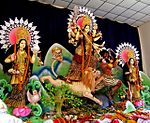
Дурга-Пуджа посвящен богине Дурге – хранительница покоя и благополучия. Особенно ее почитают в Западной Бенгалии, где, по верованиям индусов, она получила воплощение. Праздник длится пять суток: богине преподносят дары и сооружают временные храмы – пандалы, соревнуясь в искусности. Люди дарят друг другу подарки, готовят праздничные сладости, танцуют и поют. Дату каждый год определяют в соответствии с индуистским календарем.
Питру пакша
Название переводится как «полмесяца для предков». Индусы считают, что их мертвые родственники в две недели месяца Махалайя (сентябрь-октябрь), живут рядом с ними. Поэтому начинать новое или играть свадьбы в это время не принято. Лучшее занятие на Питру пакша – молитвы и поминальные обряды, весьма колоритные. Например, предложенные умершим угощения бросают в реку и на землю: их подберут рыбы и вороны и передадут угощения.
Ракша бандхан, Ракшабандхан
В июле или августе индуисты отмечают Ракша бандхан. Он известен необычной церемонией: сестры повязывают на руки своим братьям обереги «ракха», а братья делают сестрам подарки, обещая быть защитниками. Затем все обмениваются сладостями и устраивают пир.
Праздник слонов в Индии
В начале весны в Джайпуре проводят фестиваль слонов. Раскрашенные яркими красками животные проходят по городу. А музыканты и танцоры показывают представления для толп туристов.
Макара санкранти
Праздник урожая отмечают во время зимнего солнцестояния. Верующие индуисты купаются в Ганге или других священных реках. А несколько плодов из первого в году урожая местные жители обязательно предлагают Солнцу.
Васанта панчами, Пуджа сарасвати, Шри панчами
Супруга Брахмы – Сарасвати – почитается индуистами как покровительница мудрости и искусства. И это ее праздник, который отмечают на пятые сутки лунного месяца Магх (январь-февраль). В период торжества детей учат писать первые слова и радуют, запуская воздушных змеев.
Радхаштами
Виджая дашами, Виджаядашами
Виджая Дашами – праздник победы Рамы над демоническим правителем Ланки Раваной, который похитил его жену Ситу. Эти события описаны в «Рамаяме» и служат основой для многочисленных театральных представлений, которые разыгрываются на улицах. В завершение чучело Раваны сжигают.
Дасара
Праздник Дурги – божественной матери во всех ее воплощениях чествуется в сентябре-ноябре, в новолуние Ашвина. Это время победы Дурги в десятидневной схватке с демоническим Махишей. К торжеству тщательно готовятся (ведь оно продолжается декаду). Причем, везде по-разному. В южной Индии каждому воплощению посвящается один день. В Северной – устраиваются уличные представления. А в восточных штатах (например, в Бенгалии) на десятый день украшенное цветами изображение богини с молитвами опускают в воду.
Рама навами, Рамнавами
Рождения Рамы приходится на окончание Наваратри. Дату определяют по календарю, вычисляя девятые сутки растущей луны Чайтра (март-апрель). Обязательный элемент торжеств – чтение «Рамаяны». Особенно интересно будет в городах, которые, по верованиям индуистов, связаны в мифологии с жизнью Рамачандры. Например, в храмах южной Индии устраивают свадьбу Рамы и Ситы.
Праздники Индии – красочный калейдоскоп, именуемый Индия
Индия является мультикультурным и мультинациональным государством, поэтому здесь принято отмечать праздники различных религий. К национальным праздникам Индии относятся: День Республики, День независимости и День рождения Ганди Джаянти.
Но помимо официальных национальных праздников Индии, здесь есть огромное количество религиозных праздников. Так, к праздникам, выражающим яркий культурный религиозный колорит Индии относятся: мусумальманский Ид-Уль-Фитр, индусские Дивали, Холи, Ганеша-чатуртхи, Дуссехра.
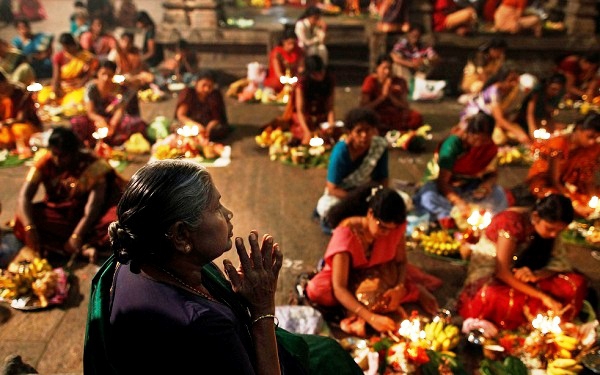
Большинство праздников имеют подвижную дату и рассчитываются по лунному календарю.
Праздники Индии являются своего рода хранилищем многовековой культуры, и сохраняют в себе древние песни, игры, танцы и ритуалы. Они служат хорошим примером гостеприимства, привлекающие людей со всех уголков Земли.
Праздник Холи в Индии — праздник весны и ярких красок
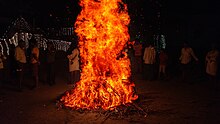
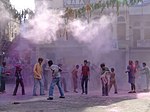
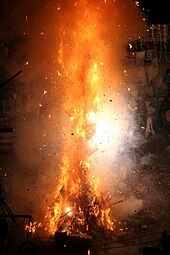
Праздник весны в Индии отмечается в конце марта- начале апреля, в течение 2 дней, в полнолуние. Так, накануне второго дня Холи ночью индусы разводят огромный костер, на котором происходит сожжение чучела Холики. А наутро начинается веселье. Все жители выходят их своих домов и начинают обливать друг друга подкрашенной разноцветной водой, либо кидаться цветными порошками. Чаще всего используется красный цвет, реже желтый и зеленый.
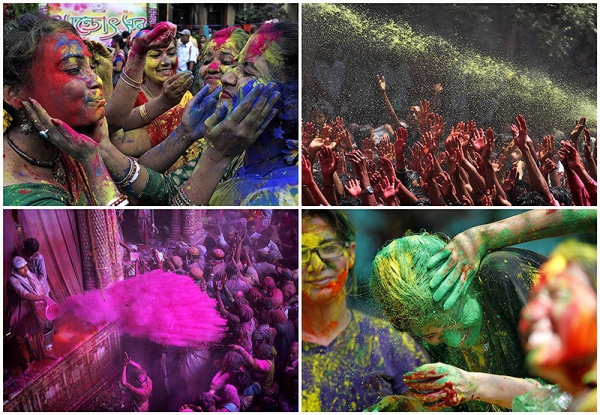
Праздник красок в Индии является весьма древним праздником. Раньше его именовали как Холика. Свое название он получил от имени легендарной сестры короля демонов — Холики. Король демонов обладал особым даром – неуязвимостью, то есть он не мог быть убит, не мог быть человеком или животным. А его сын Прохлада поклонялся Вишну, что не могло не разгневовать отца. Поэтому он приказал Холике убить Прохлада. Считалось, что демоница не горит в огне. Поэтому она уговорила Прохлада взойти на костер во имя Бога. И когда они вместе взошли на костер, к общему удивлению сгорела Холика, а не Прохлад, так как он был спасен Богом Вишну. И память об этих событиях накануне праздника происходит сожжение злого чучела Холики.
Праздник Дивали в Индии – праздник огней
Одним из самых веселых праздников в Индии является Дивали. Появление праздника связывают с появлением Рамы – известного героя индийский сказаний. Празднование Дивали осуществляется в течении пяти дней. Отмечается он в конце октября начале ноября.
Праздник огня в Индии принято олицетворять с символом победы добра над злом и света над невежеством. Поэтому зажигаются повсеместно фонарики и огни в знак этой победы. Главной декорацией праздника являются святящиеся фонарики, укрощающие статуи богов и животных. Маленькие деревни и большие города во время празднования Дивали озаряются огнями. Вечером зажигаются бенгальские огни и запускаются в небо фейерверки.
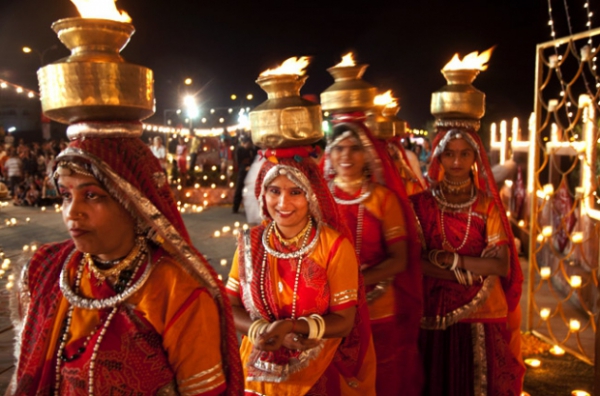
Индийцы заранее готовятся к этому празднику. Двери украшаются цветами и листьями манго, а над входом зажигаются глиняные лампы, являющиеся символом пяти элементов: пространство, земля, вода, огонь и воздух.
Также в этот праздник соблюдаются определенные традиции, несущие собой определенное духовное значение. Приводится в порядок и дом и тело. С помощью медитации происходит очищение тела. Свет ума знаменуется освещением дома разноцветными огоньками.
Праздник Дивали – это одевание новой одежды, использование новой посуды, очищение дома, особенное почитание Божеств.
Праздник Ид –Уль- Фитр – праздник радости и выражения благодарности
Наиболее веселым из мусульманских праздников является праздник Ид-Уль-Фильтр или праздник Разговения. Он знаменует собой завершение священного месяца Рамазана, в течение которого индусам не разрешается даже пить воду и курить. Праздник приходит по мусульманскому лунному календарю на первое и второе число месяца Шавалл. Весь день мусульмане, до появления на небе новой луны, молятся и читают священную книгу Коран. Есть разрешается только после захода солнца.
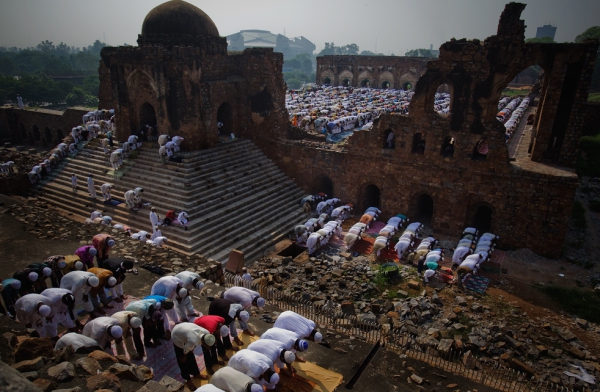
В этот день во всех церквях проводят службы. Общая молитва является основной частью праздник. По этому случаю, мусульмане всех слоев общества надевают на себя новые костюмы. Также готовятся особые сладости и блюда. Самым популярным лакомством является подслащенное молоко.
Праздник Ид в Индии отмечается с большим воодушевлением. В нем могут принимать участие и представители других религий.
Праздник слонов в Индии – самый зрелищный праздник
Слоновый праздник в Индии называется Триссур Пирам, который ежегодно проводится в одноименном городе Триссуре в храмовом комплексе Ваддаккуннтахан в мае месяце. Зрители, придя на праздник могут наблюдать грандиозное шоу со слонами.
Следует отметить, что слон в Индии является олицетворением Бога Ганеши, который дарует богатство и процветание.
Само представление продолжается 36 часов. Происходит шествие 15 слонов от храма Тирувамбади до Ваддаккуннтахан. Статуя Бога Кришны стоит на спине главного слона. Другая колонна слонов начинает свое шествие от храма Парамекаву Бхагавати. Изображение Богини Девы находится на спине у лидера этой группы. На спине у каждого слона сидит индийский мужчина, который ритмично вращает переливающимся зонтиком, сделанным из натурального шелка и инкрустированным золотом.
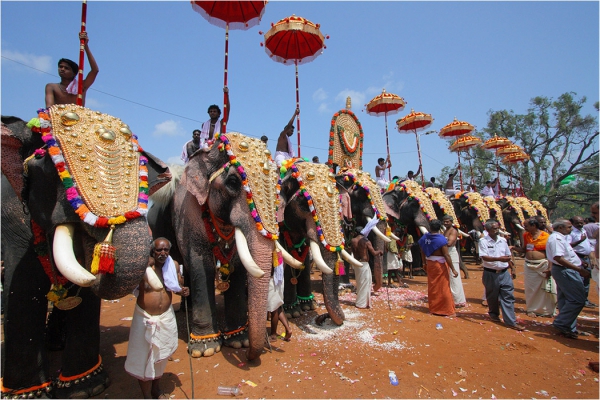
Все шествие происходит под сопровождение непрерывной звучащей гипнотической музыки.
Национальные праздники Индии
К основным государственным праздникам Индии относятся:
День независимости Индии- государственный праздник, ежегодно отмечаемый в Индиии 15 августа – день провозглашения Республики Индии от Великобритании в 1947 году. В этот день во многих городах и даже деревнях проводится церемония поднятия государственного флага. Также произнесения речей местными политическими деятелями является традиционным ритуалом. Устраиваются праздничные приемы губернаторами штатов.
День рождения Ганди – государственный праздник, ежегодно отмечаемый 2 октября в честь Дня Рождения Мохандаса Карамчана Ганди, являющийся выдающимся руководителем национально- освободительного движения индийского народа. Ганди — официально названный в Индии Отец Наций. Празднование проходит по всей стране. Так, с памятью Ганди в Дели основным его местом является его могила, в которой захоронена часть его праха. В день его рождения здесь собираются религиозные лидеры различных конфессий, руководители Индийской Республики и местные жители.
День Республики – государственный праздник, ежегодно отмечаемый 26 января, который был введен в Индии в 1950 году. Самые широкие слои населения этой страны празднуют этот знаменательный день. Организация праздничный процессий в Дели, а также в столицах всех штатов, является характерной чертой этого праздника.
В Дели процессия проходит по центральному проспекту от Президентского дворца к Воротоам Индии. Данную процессию образуют оформленные красочно платформы, на которых стоят многочисленные зрители различных штатов страны.
Индия ― государство в Южной Азии, население которого составляет около 1,4 миллиардов человек. Индийская культура считается одной из старейших в мире, а учитывая, что страна на протяжении своей истории была центром главных торговых путей и служила объектом многочисленных вторжений, традиции и обычаи Индии разнообразны и поистине уникальны.

Национальные традиции
Индийская национальная одежда очень красива, и даже повседневные наряды выглядят ярко и экзотично. Женщины носят сари ― прямоугольное полотно от 4 до 10 метров длиной, которое оборачивают вокруг бедер, а свободный конец перебрасывают через плечо. У мужчин несшитый кусок ткани, завязанный вокруг талии и ног, называется дхоти. Мужчины также носят длинные, до колен, свободные рубашки, пиджаки (шервани) и полупальто.
Кратко о культурных традициях Индии:

Одна из связанных с религией древних индийских традиций ― культ почитания коровы. В индуизме это животное считается священным, его мяса не едят даже в период голода. Только в Индии можно увидеть неспешно шествующую по улице корову, которая явно мешает движению автотранспорта и беспрепятственно поедает на ходу зелень с лотков.
Семейные традиции
Давние традиции, когда индийские семьи состояли из трех-четырех поколений родственников, соблюдаются в основном в деревнях. Сегодня в Индии, особенно в больших городах, есть много семей из 3-5 человек. Тем не менее, и в больших, и в малых семьях царит патриархальный уклад: главой семейного клана является старший из мужчин. С событиями в жизни индийской семьи связано много национальных обычаев и религиозных ритуалов, описанных в шастрах ― священных заповедях.
Свадьба
Браки в Индии часто устраиваются по предварительной договоренности родителей, и заключаются один раз: индуизм подразумевает верность супругов друг другу в этой и семи последующих жизнях. Для подтверждения правильности выбора будущей жены или мужа составляется специальный гороскоп на их физиологическую и психологическую совместимость. Главное требование к невесте – ее целомудрие.

В древней Индии жених приезжал к своей нареченной на слоне, украшенном коврами и драгоценностями, сегодня слона заменил автомобильный кортеж. Новобрачные встречаются в роскошно украшенном свадебном шатре (пандале), невеста одета в сари красного или золотого цвета, жених ― в белый костюм.
Традиции, связанные с рождением и воспитанием детей
Имя индийскому ребенку дается на двенадцатый день после рождения. Для этого существует специальная церемония ― Намакарана. Выбор имени считается важным, его обсуждают в семейном кругу и со священниками, так как, по канонам индуизма, имя человека влияет на его судьбу.

Один из древних традиционных обрядов индийцев ― выявление склонности ребенка к определенному виду деятельности. Перед малышом 3-5 лет кладут несколько предметов: деньги, книгу, орудия труда и оружие. По выбранному предмету судят, в каком направлении следует развивать ребенка.
Обучение индийских детей начинается с 3-4 лет, первое учебное заведение представляет собой симбиоз детского сада и школы. В младшем возрасте продолжительность урока составляет 35 минут. В общеобразовательных школах дети учатся бесплатно, и заканчивают их в 14 лет.
Похоронные обряды
Смерть в индуизме рассматривается как переход души в другую форму существования. В этой связи из всех видов погребения в Индии предпочтение отдается кремированию. Считается, что предание тела огню освободит дух усопшего от долгого скитания между мирами живых и богов.

Погребальный ритуал называется антьешти-крия. Покойника омывают, одевают в новую одежду, украшают цветами и драгоценностями. Затем его тело сжигается на погребальном костер, а прах развеивают над Гангом.
Традиционные праздники
Около 80% населения Индии проповедуют индуизм, 14% ислам, небольшое количество ― христианство и сикхизм, атеистами себя считают не больше 0,1% населения. Поэтому религиозные праздники и традиции народов Индии зависят от верований.

Общими для всей страны считаются государственные праздники:
- 1 января ― Новый год;
- 15 августа ― День независимости;
- 4 декабря ― День военно-морского флота;
- 14 ноября ― День детей;
- 17 сентября ― День архитекторов;
- 2 октября ― День рождения Махатмы Ганди.
К национальным праздникам в Индии также относятся:
- Фестиваль Онам (3 сентября). Красочный праздник цветов, на котором на улицах, украшенных узорчатыми цветочными клумбами-коврами, можно увидеть парад слонов, посмотреть национальные игры и танцы, услышать народные песни.
- Фестиваль огней Дивали (отмечается в период 15-21 октября). Праздник символизируюет победу добра над злом, света над тьмой. В знак этой победы в домах и на улицах зажигаются фонарики.
- Праздник огня Лори (отмечается в январе). Приход Лори знаменует окончание суровой зимы. Во дворах зажигают костры, устраивают праздничный пир, поют и танцуют, подносят друг другу подарки.
- Фестиваль красок Холи (13 марта). Один из старейших индийских праздников, который упоминается в древних санскритах, и знаменует весеннее возрождение жизни.

Национальные блюда
Кухня Индии – одна из самых колоритных в мире. Для нее характерно использование большого количества специй: острого перца, кардамона, имбиря, куркумы, корицы, кориандра, мяты, кинзы. Национальными блюдами Индии принято считать:
Читайте также:
- Сколько килобайт информации содержит сообщение
- Подготовьте устное сообщение или презентацию на компьютере по теме потребительский кредит
- Сообщение о математике магнитского
- Декодируй сообщение переданное семафорной азбукой
- Сообщение о грубе георг эрнст
Содержание:
- Праздник Холи в Индии — праздник весны и ярких красок
- Праздник Дивали в Индии – праздник огней
- Праздник Ид –Уль- Фитр – праздник радости и выражения благодарности
- Праздник слонов в Индии – самый зрелищный праздник
- Национальные праздники Индии
Праздники Индии – красочный калейдоскоп, именуемый Индия
Индия является мультикультурным и мультинациональным государством, поэтому здесь принято отмечать праздники различных религий. К национальным праздникам Индии относятся: День Республики, День независимости и День рождения Ганди Джаянти.
Но помимо официальных национальных праздников Индии, здесь есть огромное количество религиозных праздников. Так, к праздникам, выражающим яркий культурный религиозный колорит Индии относятся: мусумальманский Ид-Уль-Фитр, индусские Дивали, Холи, Ганеша-чатуртхи, Дуссехра.
Большинство праздников имеют подвижную дату и рассчитываются по лунному календарю.
Праздники Индии являются своего рода хранилищем многовековой культуры, и сохраняют в себе древние песни, игры, танцы и ритуалы. Они служат хорошим примером гостеприимства, привлекающие людей со всех уголков Земли.
Праздник Холи в Индии — праздник весны и ярких красок
Одним из наиболее красочных индийских праздников считается Латхмар Холи, который обозначает приход весны. По- другому, его называют «Фестивалем красок».
Праздник весны в Индии отмечается в конце марта- начале апреля, в течение 2 дней, в полнолуние. Так, накануне второго дня Холи ночью индусы разводят огромный костер, на котором происходит сожжение чучела Холики. А наутро начинается веселье. Все жители выходят их своих домов и начинают обливать друг друга подкрашенной разноцветной водой, либо кидаться цветными порошками. Чаще всего используется красный цвет, реже желтый и зеленый.
Праздник красок в Индии является весьма древним праздником. Раньше его именовали как Холика. Свое название он получил от имени легендарной сестры короля демонов — Холики. Король демонов обладал особым даром – неуязвимостью, то есть он не мог быть убит, не мог быть человеком или животным. А его сын Прохлада поклонялся Вишну, что не могло не разгневовать отца. Поэтому он приказал Холике убить Прохлада. Считалось, что демоница не горит в огне. Поэтому она уговорила Прохлада взойти на костер во имя Бога. И когда они вместе взошли на костер, к общему удивлению сгорела Холика, а не Прохлад, так как он был спасен Богом Вишну. И память об этих событиях накануне праздника происходит сожжение злого чучела Холики.
Праздник Дивали в Индии – праздник огней
Одним из самых веселых праздников в Индии является Дивали. Появление праздника связывают с появлением Рамы – известного героя индийский сказаний. Празднование Дивали осуществляется в течении пяти дней. Отмечается он в конце октября начале ноября.
Праздник огня в Индии принято олицетворять с символом победы добра над злом и света над невежеством. Поэтому зажигаются повсеместно фонарики и огни в знак этой победы. Главной декорацией праздника являются святящиеся фонарики, укрощающие статуи богов и животных. Маленькие деревни и большие города во время празднования Дивали озаряются огнями. Вечером зажигаются бенгальские огни и запускаются в небо фейерверки.
Индийцы заранее готовятся к этому празднику. Двери украшаются цветами и листьями манго, а над входом зажигаются глиняные лампы, являющиеся символом пяти элементов: пространство, земля, вода, огонь и воздух.
Также в этот праздник соблюдаются определенные традиции, несущие собой определенное духовное значение. Приводится в порядок и дом и тело. С помощью медитации происходит очищение тела. Свет ума знаменуется освещением дома разноцветными огоньками.
Праздник Дивали – это одевание новой одежды, использование новой посуды, очищение дома, особенное почитание Божеств.
Праздник Ид –Уль- Фитр – праздник радости и выражения благодарности
Наиболее веселым из мусульманских праздников является праздник Ид-Уль-Фильтр или праздник Разговения. Он знаменует собой завершение священного месяца Рамазана, в течение которого индусам не разрешается даже пить воду и курить. Праздник приходит по мусульманскому лунному календарю на первое и второе число месяца Шавалл. Весь день мусульмане, до появления на небе новой луны, молятся и читают священную книгу Коран. Есть разрешается только после захода солнца.
В этот день во всех церквях проводят службы. Общая молитва является основной частью праздник. По этому случаю, мусульмане всех слоев общества надевают на себя новые костюмы. Также готовятся особые сладости и блюда. Самым популярным лакомством является подслащенное молоко.
Праздник Ид в Индии отмечается с большим воодушевлением. В нем могут принимать участие и представители других религий.
Праздник слонов в Индии – самый зрелищный праздник
Слоновый праздник в Индии называется Триссур Пирам, который ежегодно проводится в одноименном городе Триссуре в храмовом комплексе Ваддаккуннтахан в мае месяце. Зрители, придя на праздник могут наблюдать грандиозное шоу со слонами.
Следует отметить, что слон в Индии является олицетворением Бога Ганеши, который дарует богатство и процветание.
Само представление продолжается 36 часов. Происходит шествие 15 слонов от храма Тирувамбади до Ваддаккуннтахан. Статуя Бога Кришны стоит на спине главного слона. Другая колонна слонов начинает свое шествие от храма Парамекаву Бхагавати. Изображение Богини Девы находится на спине у лидера этой группы. На спине у каждого слона сидит индийский мужчина, который ритмично вращает переливающимся зонтиком, сделанным из натурального шелка и инкрустированным золотом.
Все шествие происходит под сопровождение непрерывной звучащей гипнотической музыки.
Национальные праздники Индии
-
К основным государственным праздникам Индии относятся:
День независимости Индии— государственный праздник, ежегодно отмечаемый в Индиии 15 августа – день провозглашения Республики Индии от Великобритании в 1947 году. В этот день во многих городах и даже деревнях проводится церемония поднятия государственного флага. Также произнесения речей местными политическими деятелями является традиционным ритуалом. Устраиваются праздничные приемы губернаторами штатов.
День рождения Ганди – государственный праздник, ежегодно отмечаемый 2 октября в честь Дня Рождения Мохандаса Карамчана Ганди, являющийся выдающимся руководителем национально- освободительного движения индийского народа. Ганди — официально названный в Индии Отец Наций. Празднование проходит по всей стране. Так, с памятью Ганди в Дели основным его местом является его могила, в которой захоронена часть его праха. В день его рождения здесь собираются религиозные лидеры различных конфессий, руководители Индийской Республики и местные жители.
День Республики – государственный праздник, ежегодно отмечаемый 26 января, который был введен в Индии в 1950 году. Самые широкие слои населения этой страны празднуют этот знаменательный день. Организация праздничный процессий в Дели, а также в столицах всех штатов, является характерной чертой этого праздника.
В Дели процессия проходит по центральному проспекту от Президентского дворца к Воротоам Индии. Данную процессию образуют оформленные красочно платформы, на которых стоят многочисленные зрители различных штатов страны.
From Wikipedia, the free encyclopedia
|
Hindu festival dates The Hindu calendar is lunisolar but most festival dates are specified using the lunar portion of the calendar. A lunar day is uniquely identified by three calendar elements: māsa (lunar month), pakṣa (lunar fortnight) and tithi (lunar day). Furthermore, when specifying the masa, one of two traditions are applicable, viz. amānta / pūrṇimānta. Iff a festival falls in the waning phase of the moon, these two traditions identify the same lunar day as falling in two different (but successive) masa. A lunar year is shorter than a solar year by about eleven days. As a result, most Hindu festivals occur on different days in successive years on the Gregorian calendar. |
|
Across the globe, Hindus celebrate a diverse number of festivals and celebrations, typically marking events from ancient India and often coinciding with seasonal changes.[1] These celebrations take place either on a fixed annual date on the solar calendar, or on a specific day of the lunisolar calendar. There is some regional variation with the observance of the festivals, and numerous festivals that are primarily celebrated by specific sects or in certain regions of the Indian subcontinent.
Terminology[edit]
Utsava[edit]
Utsava is the Sanskrit word for festivals. The Sanskrit word Utsava comes from the word «ut» meaning «removal» and «sava» which means «worldly sorrows» or «grief».[2]
Observance periods (tithi)[edit]
Hindu calendar dates are usually prescribed according to a lunisolar calendar. In Vedic timekeeping, a māsa is a lunar month, a pakṣa is a lunar fortnight and a tithi is a lunar day.
Two definitions of the lunar month prevail: amānta and pūrṇimānta (lunar month ending with new moon and full moon respectively). As a result, the same day may refer to belonging to different but adjoining months. If a festival occurs during śukla paksha, the two traditions assign it to the same month; if a festival occurs during kṛṣṇa paksha the two traditions assign it to different but adjoining months.
| Festival | māsa | pakṣa | tithi | |
|---|---|---|---|---|
| amānta | pūrṇimānta | |||
| Gudi Padwa/Ugadi | ||||
| Rama Navami | ||||
| Akshaya Tritiya | ||||
| Guru Purnima | ||||
| Naga Panchami | ||||
| Raksha Bandhan | ||||
| Krishna Janmashtami | ||||
| Ganesh Chaturthi | ||||
| Sarvapitru Amavasya |
kṛṣṇa |
prathama |
||
| Durga Ashtami
(constituent of Navaratri, Durga Puja) |
||||
| Maha Navami
(constituent of Navaratri, Durga Puja) |
āśvina |
śukla | navamī | |
| Vijaya Dashami
(constituent of Durga Puja) |
||||
| Karva Chauth | ||||
| Dhan Teras
(constituent of Diwali) |
||||
| Naraka Chaturdashi
(constituent of Diwali) |
||||
| Lakshmi Puja
(constituent of Diwali) |
||||
| Bali Padyami
(constituent of Diwali) |
||||
| Bhai Dooj
(constituent of Diwali) |
||||
| Vasant Panchami | ||||
| Maha Shivaratri | ||||
| Holika Dahan |
Sublists[edit]
- List of Hindu festivals in Punjab
- List of festivals observed at Jagannatha Temple, Puri
- List of Sindhi festivals
List and descriptions of major Hindu festivals[edit]
The tithi shown in the following list is as per the amānta tradition.
| Major Hindu Festivals | Photo | Hindu tithi of observance | Descriptions |
|---|---|---|---|
| Bhogi, Lohri and Laal Loi |
Bhogi bonfire in Andhra Pradesh |
Bhogi marks the first day of the 4-day Sankrathi festivities and occurs one day before Makara Sankranthi marking the transition of the Sun into Makara rasi. | Bhogi is a festival celebrated widely in Tamil Nadu, Karnataka, Andhra Pradesh, and Telangana.
On Bhogi, people discard old and derelict things and concentrate on new things causing change or transformation. At dawn, people light a bonfire with logs of wood, other solid fuels, and wooden furniture at home that are no longer useful.[3] The disposal of derelict things is where all old habits, vices, attachment to relations, and material things are sacrificed in the sacrificial fire of the knowledge of Rudra, known as the «Rudra Gita Jnana Yajna». It represents realization, transformation, and purification of the soul by imbibing and inculcating various divine virtues. |
| Makar Sankranti or Pongal or |
Colorful floor artwork (muggulu) decorate entrances and streets on Makar Sankranti in Andhra Pradesh
Thai Pongal in Colombo |
Makara Sankranti or Pongal marks the transition of the Sun into Makara rasi. It marks the gradual increase of the duration of the day.
Pongal is the first day of Uttarayana and coincides with the beginning of the Tamil month of Thai. |
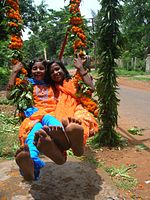
Pongal is one of the most popular harvest festivals of Tamil Nadu. Pongal occurs in mid January each year and marks the beginning of Uttarayana (sun’s journey northwards). The Pongal festival lasts for four days. Celebrations include a drawing of Kolam, swinging & the cooking of delicious Pongal.[4]
This day coincides with Makara Sankranti. Pongal is also commemorated by Jallikattu as a part of festivities as a sport of valor The festival is celebrated mostly on January 14 of the Gregorian calendar as sun currently enters capricorn on this day. |
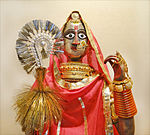
| Vasant Panchami |
Goddess Saraswati dressed in yellow sari on Vasant Panchami, Kolkata. She sits in a swing, holding a Veena, with books in one corner |
Fifth day of the waxing moon of Magh (Hindu calendar) | Vasant Panchami (also called Saraswati Puja by Bengalis and Odias) is celebrated for the blessing of Saraswati, goddess of wisdom and the arts.[5] |
| Thaipusam or Kavadi |
Murugan during Thaipusam |
The full moon day of the Tamil month of Thai | Thaipusam is a Hindu festival celebrated mostly by the Tamil community. The word Thaipusam is derived from the Tamil month name Thai and Pusam, which refers to a star near the location of the moon during the festival. The festival commemorates the occasion when Parvati gave Murugan a spear so he could vanquish the evil demon Soorapadman.
Kavadi Attam (Tamil:காவடி ஆட்டம்) is a dance performed by the devotees during the ceremonial worship of Murugan, the Tamil God of War.[6] It is often performed during the festival of Thaipusam and emphasises debt bondage. The Kavadi itself is a physical burden through which the devotees implore for help from the God Murugan.[7] |
| Maha Shivaratri |
Statue of Shiva meditating |
Thirteenth night of the waning moon of Magh (amanta) / Phalguna (purnimanta) | Maha Shivaratri is the great night of Shiva, during which followers of Shiva observe religious fasting and the offering of Bael (Bilva) leaves to Shiva. Mahashivaratri Festival or ‘The Night of Shiva’ is celebrated with devotion and religious fervor in honor of Lord Shiva, one of the deities of Hindu Trinity. Shivaratri falls on the moonless 14th night of the new moon in Phalgun (February – March). Celebrating the festival of Shivaratri devotees observe day and night fast and perform ritual worship of Shiva Lingam to appease Lord Shiva. To mark the Shivratri festival, devotees wake up early and take a ritual bath, preferably in the river Ganga. After wearing fresh new clothes devotees visit the nearest Shiva temple to give a ritual bath to the Shiva Lingum with milk, honey, water, etc. On Shivaratri, worship of Lord Shiva continues all through the day and night. Every three hours priests perform ritual pooja of Shivalingam by bathing it with milk, yogurt, honey, ghee, sugar, and water amidst the chanting of “Om Namah Shivaya’ and ringing of temple bells. Jagran (Nightlong vigil) is also observed in Shiva temples where a large number of devotees spend the night singing hymns and devotional songs in praise of Lord Shiva. It is only on the following morning that devotee breaks their fast by partaking in prasad offered to the deity.[8] |
| Holi |
Holi in Pushkar, Rajasthan
A little kid after Holi celebrating (Haridwar)
Holika Dahan (bonfire) in front of Jagdish Temple in Udaipur, Rajasthan |
Full moon of the Phalgun month (Hindu calendar) | Holi or Phagwah is a popular spring festival. Holi commemorates the slaying of the demoness Holika by Lord Vishnu’s devotee Prahlad. Thus, the festival’s name is derived from the Sanskrit words «Holika Dahanam», which literally means «Holika’s slaying». The festival is called Shigmo and Shimga in Goa and rural Maharashtra, respectively. In Odisha and West Bengal, it is also celebrated as Dol Purnima. |
| Shigmo | Shigmo is celebrated in Goa as one of the prominent festivals of the Konkani Hindu community. The main festival coincides with Holi. | ||
| Rang Panchami | In Maharashtra and parts of Madhya Pradesh, the festival of colors is celebrated five days after Holi on Rang Panchami. | ||
| Gangaur |
Mother Gaur |
«Gangaur» is the colorful and one of the most important festivals of the people of Rajasthan and is observed throughout the state with great fervor and devotion by womenfolk who worship Gauri, the consort of Lord Shiva during March–April. | |
| Vasant Navratri | First nine days of the Chaitra month (Hindu calendar) | Navratri is the Hindu festival of worship and dance. In Sanskrit the term literally means «nine nights». During this festival the forms of Shakti are worshipped, and effigies are burned. During these nine days, devotees fasts to devote their worship for shakti. On these nine days, nine incarnations of Shakti are worshipped.[citation needed] | |
| Rama Navami
or Sri Rama Navami |
Home shrine on Rama Navami |
Ninth of the Chaitra month (Hindu calendar) | Rama Navami or Sri Rama Navami is the celebration of the birth of Rama. Rama Navami is the day on which Lord Rama, the seventh incarnation of Lord Vishnu, incarnated in human form in Ayodhya. He is the ardha ansh of Vishnu or has half the definitive qualities of Lord Vishnu. The word “Rama” literally means one who is divinely blissful and who gives joy to others, and one in whom the sages rejoice. Ram Navami falls on the ninth day of the bright fortnight in Chaitra (April/May) and coincides with Vasant Navratri or Chait Durga Puja. Therefore, in some regions, the festival is spread over nine days. This day, marking the birthday of Lord Rama is also observed as the marriage day of Rama and Sita and thus also referred to as Kalyanotsavam. In Ayodhya, the birthplace of Lord Rama, a huge fair is held with thousands of devotees gathering to celebrate this festival. The fair continues for two days, and rath yatra, carrying the Deities of Ram, his brother Laxman, His wife Sita, and His greatest devotee Mahavir Hanuman, are taken out from almost all Ram Temples. Hanuman is known for is his devotion to Rama, and his tales form an important part of the celebration. In Andhra Pradesh, Ram Navami is celebrated for 10 days from the Chaitra Saptami to the Bahula Padyami in March/April. Temples re-enact the marriage of Lord Rama and Sita to commemorate this event since this day is also the day they got married.[9] |
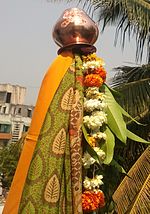
| Gudi Padwa, Cheti Chand,
Yugadi, Navreh |
Traditional Gudhi |
First Day of waxing moon of Chaitra (Hindu calendar) | Gudhi Padwa / ChetiChand is celebrated on the first day of the Hindu Lunar month of Chaitra, and is celebrated as New Year’s Day by Marathis, Konkanis and Sindhis . According to the Brahma Purana, this is the day on which Brahma created the world. |
| Ugadi |
Bobbatlu or Holigey or Bhakshalu prepared on Ugadi
Ugadi Pachadi |
Ugadi (meaning «the start of an era» in Telugu and Kannada) is New Year’s Day for the Telugus and Kannadigas. It is called as Gudi Padwa in Maharashtra. | |
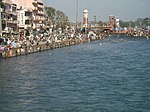
| Mesha Sankranti
or |
Ganges at Haridwar, Uttarakhand |
First day of solar month of Vaisakha. | Mesha Sankranti (also called Vaisakha Sankranti) represents the transition of the sun into the Mesha (Aries) Zodiac. Marks the start of the solar new year in lunisolar calendars. Involves bathing in holy waters. Regional new year festivals are also observed on this day such as Vishu, Pohela Boishakh, Maha Vishubha Sankranti and Vaisakhi. Represents the vernal (Spring) equinox. |
| Vishu |
Traditional vishu kani |
Vishu is a Hindu festival celebrated in Kerala. It falls around 14 April of the Gregorian year. “Vishu” means equal in Sanskrit. Vishu is a symbol of the beginning of spring season. This festival is a phase that is devoted to the Lord Vishnu. Vishu is a festival for the family.[10] | |
| Puthandu (Tamil New Year) | The Tamil New Year follows the Nirayan vernal equinox. it falls around 14 April of the Gregorian year. | ||
| Bihu |
Bihu dancer with ‘pepa’ |
Vaisakha/Bohag (Assamese Calendar) – The first month of Hindu calendar | Rongali Bihu (mid-April, also called Bohag Bihu), the most popular Bihu celebrates the onset of the Assamese New Year (around 15 April) and the coming of Spring. |
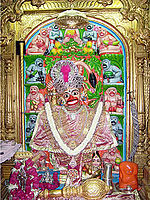
| Hanuman Jayanti |
Shri Hanuman Mandir |
Hanuman Jayanti is the celebration of the birth of Hanuman, Rama’s loyal devotee. Hanuman is known for his great strength, power and his immortal devotion towards Lord Rama. He is considered to be one of the most powerful Hindu gods in India. On auspicious day of Hanuman Jayanti, People apply red Sindoor from Lord’s feet on their foreheads. This is considering being a ritual for good health and good luck.[11] | |
| Sitalsasthi | Sixth day of the bright fortnight of the month of Jyestha (Hindu calendar) | The marriage of Shiva and Parvati is celebrated as Sitalsasthi. It is celebrated as a carnival, in which people and artists from different walks of life participate, making it more beautiful and bringing out the true colour of life. | |
| Vat Savitri
Or Vat Amavasya |
Tying threads around a banyan tree (wata) |
Full moon of Jyeshta (Hindu calendar) | Vat Pournima is observed in Maharashtra. Pournima means «full moon.» Women pray for the prosperity of their husbands by tying threads around a banyan tree. |
| Bonalu |
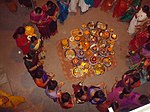
Women with Bonam performing parikrama |
Bonalu is a festival celebrated for a Mother Goddess (such as the goddesses Pochamma, Yellamma, etc.) in the Telangana. It is celebrated in two cities which are Hyderabad and Secunderabad between the months of July and August. This festival is dated back to 1813 in Hyderabad and Secunderabad. Goddess Mahakali is worshipped in this annual Hindu festival.[12] | |
| Bathukamma |
Women dancing around Bathukammas |
Bathukamma is a festival celebrated during the months of September and October in 10 districts of Telangana. Womenfolk with exotic flowers of regions come to celebrate a glowing floral festival of Telangana, Bathukamma. This festival is celebrated for nine days and is recognized as the identity of Telangana.[13] | |
| Rath Yatra |
Rath Jatra in Puri |
Second to tenth day of waxing moon phase of month Ashadha (Hindu Calendar) | Rath Yatra is the festival associated with Jagannath.It is the most important festival of Bengalis and Odias . |
| Raja Parba |
Raja Doli khela, Oriya festival |
The second day(Raja Shankranti) signifies beginning of the solar month of Mithuna | Raja Parba is a four-day-long festival. It inaugurates and welcomes the agricultural year all over Odisha. |
| Guru Purnima |
Sanyasi performing Vyasa puja |
Full moon of Ashadh (Hindu calendar) | Guru Purnima is the day devotees offer puja (worship) to their Guru. This was also the day when Vyasa, author of the Mahabharata was born. |
| Mahalakshmi Vrata
or Varalakshmi Vratham |
Mahalakshmi performing Mahalakshmi
A typical view of the Varalakshmi Vrata Pooja in a South Indian household |
‘Vara MahaLakshmi Vrata’ is celebrated on the Second Friday or the Friday before the day of the full moon – Poornima – in the month of Shravana, which corresponds to the Gregorian months of July–August. | Varalakshmi Vratham or Mahalakshmi Vrata is a puja performed by married Hindu women to seek the blessings of Mahalakshmi, goddess of wealth and prosperity.
It is celebrated as Varalakshmi Vratham in South Indian states. It is performed by married women (sumangalis) for the well-being of all their family members, especially the husband, to get progeny etc. It is believed that worshipping the Goddess Varalakshmi on this day is equivalent to worshipping Ashtalakshmi – the eight goddesses of Wealth, Earth, Wisdom, Love, Fame, Peace, Contentment, and Strength. |
| Onam |
Thiruvathira Kali during Onam in Kerala |
Onam Onam is the harvest festival of Kerala. Though Onam is traditionally festival celebrated in Kerala, contemporarily Onam is celebrated by the Kerala diaspora across the globe.
Onam honors Bhagwan Vamana, the fifth avatara of Bhagwan Vishnu, and marks the birthday of Bhagwan Vamana and annual visit of his benevolent devotee Bali (the grandson of Bhakta Prahlada).[14][15] |
|
| Raksha Bandhan
or Rakhi Purnima |
Rakhis |
Full moon of Shravana (Hindu calendar) | Rakhi Purnima or Raksha Bandhan is a festival celebrated mainly in northern Indian states. Rakhi is a special occasion to celebrate the chaste bond of love between a brother and a sister. |
| Teejdi or
Kajri Teej |
Third day after Raksha Bandhan | «Teejdi» is a festival of Sindhis. On this day Sindhi ladies observe a day long fasting for longer life of their husbands. They take dinner after «Chandra Darshan» i.e. seeing Moon. | |
| Shitla Satam | Seventh Day after Raksha Bandhan | «Shitla Satam» is celebrated on the day after Raksha Bandhan. It is the day when a mother fasts for their children and eats food that is not warm. The ladies practice this fast by keeping the stove/gas turned off for a day. This day is generally observed by Gujarati Families. | |
| Krishna Janmaashtami
or Krishnashtami |
Govinda Pathaks forming human tower
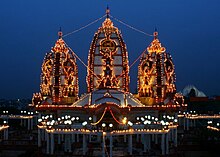
ISKCON temple in Delhi at Janamashtami |
Eighth day of waning moon of Shravana (amanta) / Bhadrapad (purnimanta) | Krishnashtami or Krishna Janmaashtami is the Hindu festival celebrating the birth of Krishna. It is actually called as Krishna Jayanthi. The date falls not only on the eighth day of the waning moon of Bhadrapad, but always on Rohini Nakshatra. Janmashtami, the birthday of Lord Krishna is celebrated with great devotion and enthusiasm in India in July or August. According to the Hindu calendar this religious festival is celebrated on the Ashtami of Krishna Paksh or the 8th day of the dark fortnight in Bhadon. Sri Krishna is considered as the one of the most powerful human incarnations of the Lord Vishnu. He was born around 5,200 years ago in Mathura. The sole objective of Sri Krishna’s birth was to free the Earth from the evilness of demons. He played an important role in Mahabharata and propagated the theory of bhakti and good karma which are narrated deeply in the Bhagavad Gita. Sri Krishna was born in a prison in the custody of Kansa. Vasudev, His father immediately thought of his friend Nand and decided to hand over his child to him to save Krishna from the clutch of Kansa. Krishna grew up in Gokul and finally killed his uncle, King Kansa. The actual celebration of Janmashtami takes place during the midnight as Sri Krishna is believed to be born on a dark, stormy and windy night to end the rule and violence of his uncle, Kansa. All over India this day is celebrated with devotional songs and dances, pujas, arti, blowing of the Conch and rocking the cradle of baby Sri Krishna. The Janmashtami celebration of Mathura and Vrindavan, the places where Sri Krishna had spent his life, are very special. On this day temples and homes are wonderfully decorated and illuminated. Night long prayers are offered and religious mantras are sung in the temples.[16] |
| Radhashtami |
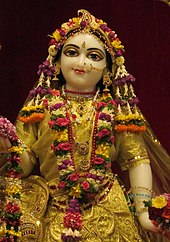
Goddess Radha
Radhashtami celebration at Iskcon Vrindavan |
Eighth day of waxing moon of Bhadrapad (Hindu calendar) | Radhashtami is celebrated all across India especially in Northern India on Bhadrapad Shukla Paksha Ashtami as birth anniversary of Goddess Radha, consort of Lord Krishna. |
| Gowri Habbaor
Hartalika Teej |
Gowri Habba is celebrated in Karnataka, Andhra Pradesh, and Tamil Nadu. Gowri is worshipped for her ability to bestow courage to her devotees. Newly wed couples are invited to the house of the groom’s parents and served with varieties of food. | ||
| Ganesh Chaturthi
or Vinayaka Chavithi |
Ganesh Visarjan in Mumbai |
Fourth day of the waxing moon of Bhadrapada (Hindu calendar) | Vinayaka Chavithi or Ganesh Chaturthi is the celebrated as the arrival of Ganesh on the earth. It is very important festival in Maharashta. Ganesh Festival celebrated in Pune in very traditional way. |
| Nuakhai | Fifth day of the waxing moon of Bhadrapada (Hindu calendar) | Nuakhai is celebrated to welcome the new rice of the season. This is an agricultural festival mainly observed by people of western Odisha (Kosal). | |
| Navaratri |
Garba dance in Ahmedabad |
First nine nights of the waxing moon of Ashvin | Navarathri is the Hindu festival of worship and dance. In Sanskrit the term literally means «nine nights». During this festival the forms of Shakti are worshipped. Literally “nine nights”, this nine – day period from the new moon day to the ninth day of Ashvin is considered the most auspicious time of the Hindu calendar and is hence the most celebrated time of the year. Although it has different names in different parts of India, Hindus from all regions celebrate it. From Kashmir in the North to Tamil Nadu in the South, and from Gujarat in the West to Sikkim in the East, it is celebrated with great enthusiasm as the conquest of good over evil. Every region has its own myths and reasons to explain this. The nine different aspects of Devi are worshipped over the nine days. |
| Durga Puja |
Durga Puja celebration in Dhaka |
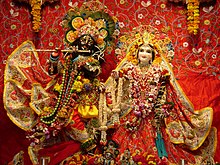
First ten nights of the waxing moon of Ashvin | These are the most popular forms under which she is worshipped: Durga, goddess beyond reach; Kali, the auspicious power of time; Amba or Jagdamba, mother of the world; Annapurna, giver of food and plenty; Sarvamangala, auspicious goddess; Bhairavi, terrible, fearful, power of death; Chandika or Chandi, violent, wrathful, furious; Lalita, playful; Bhavani, giver of existence; Tara, giver of success in work. It is the most important festival of Bengalis and Odias.
[17] |
| Vijayadashami | Tenth day of waxing moon of Ashvin (Hindu calendar) | Vijayadashami is the Hindu celebration of good over evil. | |
| Govatsa Dwadashi |
In a poster condemning the consumption of beef, the sacred cow Kamadhenu is depicted as containing various deities within her body. |
Twelfth day of the waning moon fortnight (Krishna Paksha) in the month of Kartik (Hindu calendar) | Govatsa Dwadashi is the worship of cows as chief source of livelihood and religious sanctity; being the first day of Diwali celebrations. Sripada Vallabha Aradhana Utsav of Sripada Sri Vallabha, at Pithapuram Datta Mahasamsthan in the state of Andhra Pradesh.
Dhanteras — Dhanteras (Hindi: धनतेरस), also known as Dhanatrayodashi (Sanskrit: धनत्रयोदशी), is the first day that marks the festival of Diwali in India. It is celebrated on the thirteenth lunar day of Krishna Paksha (dark fortnight) in the Hindi calendar month of Ashvin. Dhanvantari, who is also worshipped on the occasion of Dhanteras, is considered the God of Ayurveda who imparted the wisdom of Ayurveda for the betterment of mankind, and to help rid it of the suffering of disease. The Indian ministry of Ayurveda, Yoga and Naturopathy, Unani, Siddha and Homeopathy, announced its decision to observe Dhanteras, as the «National Ayurveda Day», which was first observed on 28 October 2016. Usually, Gujarati families will enjoy a meal of daal baath and malpura to ring in the new year. |
| Diwali or Deepavali |
Rangoli decorations
A child playing with phulbaja or sparklers during Diwali
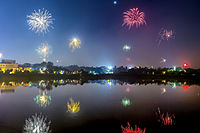
Diwali night fireworks over Chennai |
New moon of Ashvin (amanta) / Kartika (purnimanta) | Deepavali which means «row of lights/lamps» in Kannada and Telugu and Marathi and Sanskrit is called «Diwali» in North India, Deepa means lamp and in Hindi a lamp is mostly called a Diya or Di. The festival is celebrated on the occasion of Lord Krishna and his wife Satyabhama killing a demon Narakasura. Another story says the festival is celebrated for the return of Rama and Sita to the kingdom Ayodhya after fourteen years of exile.
Rama is exiled to the forest for 14 years, his devoted wife Sita and humble brother Laxman decide to join him, after 14 years the whole village know he is returning so light lamps or ‘divas’ to guide him, his wife and brother home. So every year lamps are lit to represent Rama finding his way back home after the harsh punishment of being sent to exile in the forest. |
| Bhai dooj(Bhratri Dvitiya) | Second day of the waxing moon of Kartik (Hindu calendar) | Bhai dooj, also referred to as Bhaubeej in Marathi or Bhaiphonta in Bengali, is the ceremony performed by Hindus, generally, on the second day of Deepavali. It is celebrated among brothers and sisters and is similar to Raksha Bandhan, except there is no tying of rakhi involved. | |
| Karva Chauth (Kark Chaturthi) or Atla Tadde |
Women observing Karva Chauth |
Four days after purnima (a full moon) in the month of Ashvin (amanta) Kartika (purnimanta). Like many Hindu festivals, Karva Chauth is based on the lunisolar calendar which accounts for all astronomical positions, especially positions of the moon which is used as a marker to calculate important dates. The festival falls on the fourth day after the full moon, in the Hindu lunisolar calendar month of Kartik | Karva Chauth is a one-day festival celebrated by Hindu women from some regions of India, especially northern India. On Karva Chauth, the married women, especially in Northern India, fast from sunrise to moonrise for the safety and longevity of their husbands.[18][19][20] The Karva Chauth fast is traditionally celebrated in the states of Delhi, Haryana, Rajasthan, Punjab, Jammu, Uttar Pradesh, Himachal Pradesh and Madhya Pradesh.[18][21][22][23] It is celebrated as Atla Tadde in Andhra Pradesh. |
| Kartika Purnima | 15th of the Full moon day of Kartik (November–December) | A unique festival is celebrated in Varanasi this day which is called Dev Devali. The Kartik Purnima festival also coincides with the Jain light festival and Guru Nanak Jayanti | |
| Chhath |
Morning worship at Jamshedpur |
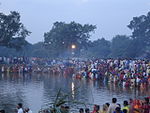
Chhath is mainly observed in Bihar and Terai, but is also celebrated elsewhere. It is a festival dedicated to the Sun God for bestowing the bounties of life and fulfilling wishes. During Chath, devotees worship God Surya early in the morning. | |
| Skanda Sashti | Skanda Sashti is decided on lunar month during the sixth day of Karthika Masam (October–November). It is one of the most important festival dedicated to Lord Murugan the second son of Shiva. On this festival is celebrated the victory of Murugan against the Asuras. | ||
| Champa Sashti | Champa Sashti festival is a six-day festival observed from the first to the sixth of the Hindu month of Margashirsha (November – early December). It is one of the most important festivals dedicated to Lord Khandoba.This festival celebrates the victory of Khandoba against the demons Mani-Malla. | ||
| Prathamastami | After 8 days of Kartik Purnima | Prathamastami is a festival that originated in Odia. It is held on the eighth day of the month of Agrahayana, when older female relatives pray for the prosperity of their eldest child. The festival is followed by rituals and recitations of the Glory of Mahalakshmi and Shashti Devi. | |
| Yatra |
Dnyaneshwar’s palkhi holding the footwear of the saint |
Yatra (also Zatra and jatra) refers to the pilgrimage festivals celebrated at Hindu temples. Idols and murtis are taken out on special procession in a palkhi (a palanquin) or a chariot called the rath. Every temple observes this festival once a year on the traditional day. Palkhi is main tradition of Maharashtra. Sant Dhnyaneshwar had started the palkhi from Alandi (Pune) to Pandharpur. Every year Marathi people celebrates Palkhi from Alandi and Dehu to Pandharpur. | |
| Karthikai Deepam
or Kartika Deepam |
Pithalai vilakku during Karthigai Deepam in Mumbai. |
Kartika Deepam or Karthikai Deepam is an ancient festival of lights celebrated by Tamil Hindus and Telugu Hindus on the full moon day of Karthikai/Kartika month (November/December). This occurs on the day when the moon is in conjunction with the constellation Karthigai (Pleiades) and purnima. It is the same as Kartik Poornima; however, since Tamils follow the Hindu Solar calendar with correction for precession of the equinoxes, the Tamil date matches the actual constellation. | |
| Vaikasi Visakam | Birth star of Kartikeya | Vaikasi Vishaka is ancient Hindu festival celebrated on Vishākhā star on Vaisakha month by South Indians and Srilankans especially followers of Kaumaram and Shaiva Siddhanta. | |
| Pancha Ganapati | A Winter Solstice celebration that lasts five days. | Pancha Ganapati is a modern Hindu festival celebrating Lord Ganesha, the Five-Faced Maha Ganapati—Lord of Categories[citation needed]. | |
| Kumbh Mela |
Procession of Akharas marching over the Ganges. |
A pilgrimage made every three years to the Ganges river | The Purna (complete) Kumbh takes place every twelve years, and is an ordinary large Kumbh Mela. The Ardh (half) Kumbh Mella, a smaller Kumbh Mela, is celebrated every six years. The normal Kumbh Mela is celebrated every 3 years. The Maha (great) Kumbh Mela, a special large Kumbh Mela, occurs every 12 ‘Purna Kumbh Melas’, or 144 years. |
| Godavari Pushkaram or Purna Kumbha Mela |
Stage of Godavari Aarathi in Rajamundry |
Godavari Pushkaram or Godavari Pushkaralu is most commonly stated as it is the festival of the river Godavari. The main significance of this Godavari Pushkaralu is that It occurs once in every 12 years in other words called as Pushakara. The river Godavari took it birth at triambakeswar of Nasik which is located in Maharashtra state. It flow along the various regions of Andhra Pradesh, Telangana, Maharashtra and Karnataka and finally flows into the Bay of Bengal. Maha Pushkaralu which comes once in 144 years.
Main centre’s that celebrate Pushkaram are Rajahmundry, Bhadrachalam, Trimbakeshwar & Nashik. Most of the Godavari River is connected with Rajahmundry, where it has wide spread across the city. |
|
| Sama Chakeva | «Sama Chakeva (Nepali or Hindi: सामाचकेवा) is an important festival observed by Mithila region that extends from Terai of Nepal to Bihar and Jharkhanda states of India. With great enthusiasm, young brothers and sisters celebrate this festival in Kartik as per Bikram Sambat Calendar, in November, when birds traditionally begin the migration of beautiful and colourful birds from the Himalayas to plain parts of Nepal (Terai) and India. This festival demonstrates love and affection between brothers and sisters.
This festival begins immediately after the conclusion of Chhath festival in Nepal and northern parts of India, and ends on the full moon day of Kartik, that coincides in the month of November.» |
||
| Tulsi Pujan Diwas | December 25 every year | Tulsi Pujan Diwas is celebrated on December’s 25 by Hindus in India. Tulsi in Hinduism is used for medicinal and spiritual use. It is considered sacred in Hinduism and it is believed that Tulsi brings prosperity. | |
| Naga Panchami |
Nagabana at Belle Badagumane, Moodubelle, Udupi |
Fifth day of Shravan month of the Lunar calendar | Naga Panchami is a traditional worship of snakes or serpents observed by Hindus throughout India, Nepal and other countries where Hindu adherents live. |






















See also[edit]
- Hindu festival related concepts
- Astronomical basis of the Hindu calendar
- Coconut: use for worship
- Culture of India
- Dhupa
- Hindu prayer beads
- Hindu temple
- Incense of India
- Mala
- Ghats
- Mudras
- Namaste
- Pādodaka
- Pranāma
- Parikrama
- The Archaeology of Hindu Ritual
- Yatra
Others
- Buddhist prayer beads
- Guru-shishya tradition
- Jain festivals
- Lists of festivals
- Puja (Buddhism)
- List of Hindu Empires and Dynasties
References[edit]
- ^ Gowda, Prabhu (2017-08-08). «10 Hindu Festivals You Should Know About». Culture Trip. Retrieved 2021-09-26.
- ^ Sivkishen (2015-01-23). Kingdom of Shiva. Diamond Pocket Books Pvt Ltd. ISBN 978-81-288-3028-0.
- ^ [1] Archived 2019-04-15 at the Wayback Machine Post Jagran Article 15 01 2014
- ^ [2] Archived 2010-01-15 at the Wayback Machine, Pongalfestival.org.
- ^ Friedrichs, Kurt (1994). «Sarasvatī». In Schuhmacher, Stephan; Woerner, Gert (eds.). The Encyclopedia of Eastern Philosophy and Religion: Buddhism, Hinduism, Taoism, Zen. Boston: Shambala. p. 306. ISBN 0-87773-980-3.
The goddess of … scholarship … She is also the patron of the arts, especially of music.
- ^ Kent, Alexandra. Divinity and Diversity: A Hindu Revitalization Movement in Malaysia. University of Hawaii Press, 2005. (ISBN 8791114896)
- ^ Hume, Lynne. Portals.
- ^ «Mahashivaratri Festival : Festival of Shivratri, Mahashivratri Festival India – Mahashivaratri Festival 2019». Mahashivratri.org. Retrieved 2018-04-22.
- ^ «Rama Navami – Hindupedia, the Hindu Encyclopedia». Hindupedia.com. Retrieved 2018-04-22.
- ^ «Story Behind Vishu Festival». www.vishufestival.org. Retrieved 2019-11-01.
- ^ «Hanuman Jayanti – Hanuman Jayanti 2018 Date – Celebrations in India». Indiaonlinepages.com. 2018-03-31. Retrieved 2018-04-22.
- ^ «Telangana Tourism – Visit for all reasons & all seasons». www.telanganatourism.gov.in. Retrieved 2019-11-01.
- ^ «About Bathukamma | Bathukamma – Telangana’s Floral Festival». bathukamma.telangana.gov.in. Retrieved 2019-11-01.
- ^ Rinehart, Robin; Rinehart, Robert (2004). Contemporary Hinduism: Ritual, Culture, and Practice. ABC-CLIO. ISBN 978-1-57607-905-8.
- ^ Kumar, Ajith (2019-12-14). The Murder of Alexander the Great, Book 1: The Puranas: Book 1: The Puranas. Argead Star llc. ISBN 978-0-9990714-0-3.
- ^ «Janmashtami / Krishna Janmashtami : A hindu religious festival». Calendarlabs.com. 2018-03-09. Retrieved 2018-04-22.
- ^ «Indian Festivals». Webonautics.com. Retrieved 2018-04-22.
- ^ a b Kartar Singh Bhalla (2005), Let’s Know Festivals of India, Star Publications, ISBN 978-81-7650-165-1,
… ‘Karva Chauth’ is a ritual of fasting celebrated by married women seeking longevity, … married women in the northern and western parts of India, especially Delhi, Uttarakhand, Haryana, Rajashtan, Punjab, vJammu, Uttar Pradesh, Bihar, and Jharkhand … eat a little food before sunrise and start the fast … After the moon rises … finally, break their fast …
[page needed] - ^ S. K. Rait (2005), women in England: their religious and cultural beliefs and social practices, Trentham Books, ISBN 978-1-85856-353-4,
… Karva Chauth, a fast kept to secure the long life of husbands, was popular among women …
- ^ «Makar Sankranti Top 10 Facts You should know about». 2020-02-13.
… Hindu women Friday celebrated Karva Chauth in the city. The minority arranges different functions in the city to mark the day where women collectively sighted the moon and broke their fast …
- ^ Kumar, Anu (2007-10-21). «A Hungry Heart». The Washington Post.
- ^ Subhashini Aryan (1993), Crafts of Himachal PradeshLiving traditions of India, Mapin, ISBN 978-0-944142-46-2,
… Karva Chauth, when all married women universally fast a small pot, Karva, is required …
- ^ Anne Mackenzie Pearson (1996), Because it gives me peace of mind: ritual fasts in the religious lives of Hindu women (McGill studies in the history of religions), SUNY Press, ISBN 978-0-7914-3038-5,
… Karva Chauth seems to be in western Uttar Pradesh …
External links[edit]
- Festivals, Ministry of Culture
- 2021 All Festivals | Date, Timing, History
From Wikipedia, the free encyclopedia
|
Hindu festival dates The Hindu calendar is lunisolar but most festival dates are specified using the lunar portion of the calendar. A lunar day is uniquely identified by three calendar elements: māsa (lunar month), pakṣa (lunar fortnight) and tithi (lunar day). Furthermore, when specifying the masa, one of two traditions are applicable, viz. amānta / pūrṇimānta. Iff a festival falls in the waning phase of the moon, these two traditions identify the same lunar day as falling in two different (but successive) masa. A lunar year is shorter than a solar year by about eleven days. As a result, most Hindu festivals occur on different days in successive years on the Gregorian calendar. |
|
Across the globe, Hindus celebrate a diverse number of festivals and celebrations, typically marking events from ancient India and often coinciding with seasonal changes.[1] These celebrations take place either on a fixed annual date on the solar calendar, or on a specific day of the lunisolar calendar. There is some regional variation with the observance of the festivals, and numerous festivals that are primarily celebrated by specific sects or in certain regions of the Indian subcontinent.
Terminology[edit]
Utsava[edit]
Utsava is the Sanskrit word for festivals. The Sanskrit word Utsava comes from the word «ut» meaning «removal» and «sava» which means «worldly sorrows» or «grief».[2]
Observance periods (tithi)[edit]
Hindu calendar dates are usually prescribed according to a lunisolar calendar. In Vedic timekeeping, a māsa is a lunar month, a pakṣa is a lunar fortnight and a tithi is a lunar day.
Two definitions of the lunar month prevail: amānta and pūrṇimānta (lunar month ending with new moon and full moon respectively). As a result, the same day may refer to belonging to different but adjoining months. If a festival occurs during śukla paksha, the two traditions assign it to the same month; if a festival occurs during kṛṣṇa paksha the two traditions assign it to different but adjoining months.
| Festival | māsa | pakṣa | tithi | |
|---|---|---|---|---|
| amānta | pūrṇimānta | |||
| Gudi Padwa/Ugadi | ||||
| Rama Navami | ||||
| Akshaya Tritiya | ||||
| Guru Purnima | ||||
| Naga Panchami | ||||
| Raksha Bandhan | ||||
| Krishna Janmashtami | ||||
| Ganesh Chaturthi | ||||
| Sarvapitru Amavasya |
kṛṣṇa |
prathama |
||
| Durga Ashtami
(constituent of Navaratri, Durga Puja) |
||||
| Maha Navami
(constituent of Navaratri, Durga Puja) |
āśvina |
śukla | navamī | |
| Vijaya Dashami
(constituent of Durga Puja) |
||||
| Karva Chauth | ||||
| Dhan Teras
(constituent of Diwali) |
||||
| Naraka Chaturdashi
(constituent of Diwali) |
||||
| Lakshmi Puja
(constituent of Diwali) |
||||
| Bali Padyami
(constituent of Diwali) |
||||
| Bhai Dooj
(constituent of Diwali) |
||||
| Vasant Panchami | ||||
| Maha Shivaratri | ||||
| Holika Dahan |
Sublists[edit]
- List of Hindu festivals in Punjab
- List of festivals observed at Jagannatha Temple, Puri
- List of Sindhi festivals
List and descriptions of major Hindu festivals[edit]
The tithi shown in the following list is as per the amānta tradition.
| Major Hindu Festivals | Photo | Hindu tithi of observance | Descriptions |
|---|---|---|---|
| Bhogi, Lohri and Laal Loi |
Bhogi bonfire in Andhra Pradesh |
Bhogi marks the first day of the 4-day Sankrathi festivities and occurs one day before Makara Sankranthi marking the transition of the Sun into Makara rasi. | Bhogi is a festival celebrated widely in Tamil Nadu, Karnataka, Andhra Pradesh, and Telangana.
On Bhogi, people discard old and derelict things and concentrate on new things causing change or transformation. At dawn, people light a bonfire with logs of wood, other solid fuels, and wooden furniture at home that are no longer useful.[3] The disposal of derelict things is where all old habits, vices, attachment to relations, and material things are sacrificed in the sacrificial fire of the knowledge of Rudra, known as the «Rudra Gita Jnana Yajna». It represents realization, transformation, and purification of the soul by imbibing and inculcating various divine virtues. |
| Makar Sankranti or Pongal or |
Colorful floor artwork (muggulu) decorate entrances and streets on Makar Sankranti in Andhra Pradesh
Thai Pongal in Colombo |
Makara Sankranti or Pongal marks the transition of the Sun into Makara rasi. It marks the gradual increase of the duration of the day.
Pongal is the first day of Uttarayana and coincides with the beginning of the Tamil month of Thai. |
Pongal is one of the most popular harvest festivals of Tamil Nadu. Pongal occurs in mid January each year and marks the beginning of Uttarayana (sun’s journey northwards). The Pongal festival lasts for four days. Celebrations include a drawing of Kolam, swinging & the cooking of delicious Pongal.[4]
This day coincides with Makara Sankranti. Pongal is also commemorated by Jallikattu as a part of festivities as a sport of valor The festival is celebrated mostly on January 14 of the Gregorian calendar as sun currently enters capricorn on this day. |
| Vasant Panchami |
Goddess Saraswati dressed in yellow sari on Vasant Panchami, Kolkata. She sits in a swing, holding a Veena, with books in one corner |
Fifth day of the waxing moon of Magh (Hindu calendar) | Vasant Panchami (also called Saraswati Puja by Bengalis and Odias) is celebrated for the blessing of Saraswati, goddess of wisdom and the arts.[5] |
| Thaipusam or Kavadi |
Murugan during Thaipusam |
The full moon day of the Tamil month of Thai | Thaipusam is a Hindu festival celebrated mostly by the Tamil community. The word Thaipusam is derived from the Tamil month name Thai and Pusam, which refers to a star near the location of the moon during the festival. The festival commemorates the occasion when Parvati gave Murugan a spear so he could vanquish the evil demon Soorapadman.
Kavadi Attam (Tamil:காவடி ஆட்டம்) is a dance performed by the devotees during the ceremonial worship of Murugan, the Tamil God of War.[6] It is often performed during the festival of Thaipusam and emphasises debt bondage. The Kavadi itself is a physical burden through which the devotees implore for help from the God Murugan.[7] |
| Maha Shivaratri |
Statue of Shiva meditating |
Thirteenth night of the waning moon of Magh (amanta) / Phalguna (purnimanta) | Maha Shivaratri is the great night of Shiva, during which followers of Shiva observe religious fasting and the offering of Bael (Bilva) leaves to Shiva. Mahashivaratri Festival or ‘The Night of Shiva’ is celebrated with devotion and religious fervor in honor of Lord Shiva, one of the deities of Hindu Trinity. Shivaratri falls on the moonless 14th night of the new moon in Phalgun (February – March). Celebrating the festival of Shivaratri devotees observe day and night fast and perform ritual worship of Shiva Lingam to appease Lord Shiva. To mark the Shivratri festival, devotees wake up early and take a ritual bath, preferably in the river Ganga. After wearing fresh new clothes devotees visit the nearest Shiva temple to give a ritual bath to the Shiva Lingum with milk, honey, water, etc. On Shivaratri, worship of Lord Shiva continues all through the day and night. Every three hours priests perform ritual pooja of Shivalingam by bathing it with milk, yogurt, honey, ghee, sugar, and water amidst the chanting of “Om Namah Shivaya’ and ringing of temple bells. Jagran (Nightlong vigil) is also observed in Shiva temples where a large number of devotees spend the night singing hymns and devotional songs in praise of Lord Shiva. It is only on the following morning that devotee breaks their fast by partaking in prasad offered to the deity.[8] |
| Holi |
Holi in Pushkar, Rajasthan
A little kid after Holi celebrating (Haridwar)
Holika Dahan (bonfire) in front of Jagdish Temple in Udaipur, Rajasthan |
Full moon of the Phalgun month (Hindu calendar) | Holi or Phagwah is a popular spring festival. Holi commemorates the slaying of the demoness Holika by Lord Vishnu’s devotee Prahlad. Thus, the festival’s name is derived from the Sanskrit words «Holika Dahanam», which literally means «Holika’s slaying». The festival is called Shigmo and Shimga in Goa and rural Maharashtra, respectively. In Odisha and West Bengal, it is also celebrated as Dol Purnima. |
| Shigmo | Shigmo is celebrated in Goa as one of the prominent festivals of the Konkani Hindu community. The main festival coincides with Holi. | ||
| Rang Panchami | In Maharashtra and parts of Madhya Pradesh, the festival of colors is celebrated five days after Holi on Rang Panchami. | ||
| Gangaur |
Mother Gaur |
«Gangaur» is the colorful and one of the most important festivals of the people of Rajasthan and is observed throughout the state with great fervor and devotion by womenfolk who worship Gauri, the consort of Lord Shiva during March–April. | |
| Vasant Navratri | First nine days of the Chaitra month (Hindu calendar) | Navratri is the Hindu festival of worship and dance. In Sanskrit the term literally means «nine nights». During this festival the forms of Shakti are worshipped, and effigies are burned. During these nine days, devotees fasts to devote their worship for shakti. On these nine days, nine incarnations of Shakti are worshipped.[citation needed] | |
| Rama Navami
or Sri Rama Navami |
Home shrine on Rama Navami |
Ninth of the Chaitra month (Hindu calendar) | Rama Navami or Sri Rama Navami is the celebration of the birth of Rama. Rama Navami is the day on which Lord Rama, the seventh incarnation of Lord Vishnu, incarnated in human form in Ayodhya. He is the ardha ansh of Vishnu or has half the definitive qualities of Lord Vishnu. The word “Rama” literally means one who is divinely blissful and who gives joy to others, and one in whom the sages rejoice. Ram Navami falls on the ninth day of the bright fortnight in Chaitra (April/May) and coincides with Vasant Navratri or Chait Durga Puja. Therefore, in some regions, the festival is spread over nine days. This day, marking the birthday of Lord Rama is also observed as the marriage day of Rama and Sita and thus also referred to as Kalyanotsavam. In Ayodhya, the birthplace of Lord Rama, a huge fair is held with thousands of devotees gathering to celebrate this festival. The fair continues for two days, and rath yatra, carrying the Deities of Ram, his brother Laxman, His wife Sita, and His greatest devotee Mahavir Hanuman, are taken out from almost all Ram Temples. Hanuman is known for is his devotion to Rama, and his tales form an important part of the celebration. In Andhra Pradesh, Ram Navami is celebrated for 10 days from the Chaitra Saptami to the Bahula Padyami in March/April. Temples re-enact the marriage of Lord Rama and Sita to commemorate this event since this day is also the day they got married.[9] |
| Gudi Padwa, Cheti Chand,
Yugadi, Navreh |
Traditional Gudhi |
First Day of waxing moon of Chaitra (Hindu calendar) | Gudhi Padwa / ChetiChand is celebrated on the first day of the Hindu Lunar month of Chaitra, and is celebrated as New Year’s Day by Marathis, Konkanis and Sindhis . According to the Brahma Purana, this is the day on which Brahma created the world. |
| Ugadi |
Bobbatlu or Holigey or Bhakshalu prepared on Ugadi
Ugadi Pachadi |
Ugadi (meaning «the start of an era» in Telugu and Kannada) is New Year’s Day for the Telugus and Kannadigas. It is called as Gudi Padwa in Maharashtra. | |
| Mesha Sankranti
or |
Ganges at Haridwar, Uttarakhand |
First day of solar month of Vaisakha. | Mesha Sankranti (also called Vaisakha Sankranti) represents the transition of the sun into the Mesha (Aries) Zodiac. Marks the start of the solar new year in lunisolar calendars. Involves bathing in holy waters. Regional new year festivals are also observed on this day such as Vishu, Pohela Boishakh, Maha Vishubha Sankranti and Vaisakhi. Represents the vernal (Spring) equinox. |
| Vishu |
Traditional vishu kani |
Vishu is a Hindu festival celebrated in Kerala. It falls around 14 April of the Gregorian year. “Vishu” means equal in Sanskrit. Vishu is a symbol of the beginning of spring season. This festival is a phase that is devoted to the Lord Vishnu. Vishu is a festival for the family.[10] | |
| Puthandu (Tamil New Year) | The Tamil New Year follows the Nirayan vernal equinox. it falls around 14 April of the Gregorian year. | ||
| Bihu |
Bihu dancer with ‘pepa’ |
Vaisakha/Bohag (Assamese Calendar) – The first month of Hindu calendar | Rongali Bihu (mid-April, also called Bohag Bihu), the most popular Bihu celebrates the onset of the Assamese New Year (around 15 April) and the coming of Spring. |
| Hanuman Jayanti |
Shri Hanuman Mandir |
Hanuman Jayanti is the celebration of the birth of Hanuman, Rama’s loyal devotee. Hanuman is known for his great strength, power and his immortal devotion towards Lord Rama. He is considered to be one of the most powerful Hindu gods in India. On auspicious day of Hanuman Jayanti, People apply red Sindoor from Lord’s feet on their foreheads. This is considering being a ritual for good health and good luck.[11] | |
| Sitalsasthi | Sixth day of the bright fortnight of the month of Jyestha (Hindu calendar) | The marriage of Shiva and Parvati is celebrated as Sitalsasthi. It is celebrated as a carnival, in which people and artists from different walks of life participate, making it more beautiful and bringing out the true colour of life. | |
| Vat Savitri
Or Vat Amavasya |
Tying threads around a banyan tree (wata) |
Full moon of Jyeshta (Hindu calendar) | Vat Pournima is observed in Maharashtra. Pournima means «full moon.» Women pray for the prosperity of their husbands by tying threads around a banyan tree. |
| Bonalu |
Women with Bonam performing parikrama |
Bonalu is a festival celebrated for a Mother Goddess (such as the goddesses Pochamma, Yellamma, etc.) in the Telangana. It is celebrated in two cities which are Hyderabad and Secunderabad between the months of July and August. This festival is dated back to 1813 in Hyderabad and Secunderabad. Goddess Mahakali is worshipped in this annual Hindu festival.[12] | |
| Bathukamma |
Women dancing around Bathukammas |
Bathukamma is a festival celebrated during the months of September and October in 10 districts of Telangana. Womenfolk with exotic flowers of regions come to celebrate a glowing floral festival of Telangana, Bathukamma. This festival is celebrated for nine days and is recognized as the identity of Telangana.[13] | |
| Rath Yatra |
Rath Jatra in Puri |
Second to tenth day of waxing moon phase of month Ashadha (Hindu Calendar) | Rath Yatra is the festival associated with Jagannath.It is the most important festival of Bengalis and Odias . |
| Raja Parba |
Raja Doli khela, Oriya festival |
The second day(Raja Shankranti) signifies beginning of the solar month of Mithuna | Raja Parba is a four-day-long festival. It inaugurates and welcomes the agricultural year all over Odisha. |
| Guru Purnima |
Sanyasi performing Vyasa puja |
Full moon of Ashadh (Hindu calendar) | Guru Purnima is the day devotees offer puja (worship) to their Guru. This was also the day when Vyasa, author of the Mahabharata was born. |
| Mahalakshmi Vrata
or Varalakshmi Vratham |
Mahalakshmi performing Mahalakshmi
A typical view of the Varalakshmi Vrata Pooja in a South Indian household |
‘Vara MahaLakshmi Vrata’ is celebrated on the Second Friday or the Friday before the day of the full moon – Poornima – in the month of Shravana, which corresponds to the Gregorian months of July–August. | Varalakshmi Vratham or Mahalakshmi Vrata is a puja performed by married Hindu women to seek the blessings of Mahalakshmi, goddess of wealth and prosperity.
It is celebrated as Varalakshmi Vratham in South Indian states. It is performed by married women (sumangalis) for the well-being of all their family members, especially the husband, to get progeny etc. It is believed that worshipping the Goddess Varalakshmi on this day is equivalent to worshipping Ashtalakshmi – the eight goddesses of Wealth, Earth, Wisdom, Love, Fame, Peace, Contentment, and Strength. |
| Onam |
Thiruvathira Kali during Onam in Kerala |
Onam Onam is the harvest festival of Kerala. Though Onam is traditionally festival celebrated in Kerala, contemporarily Onam is celebrated by the Kerala diaspora across the globe.
Onam honors Bhagwan Vamana, the fifth avatara of Bhagwan Vishnu, and marks the birthday of Bhagwan Vamana and annual visit of his benevolent devotee Bali (the grandson of Bhakta Prahlada).[14][15] |
|
| Raksha Bandhan
or Rakhi Purnima |
Rakhis |
Full moon of Shravana (Hindu calendar) | Rakhi Purnima or Raksha Bandhan is a festival celebrated mainly in northern Indian states. Rakhi is a special occasion to celebrate the chaste bond of love between a brother and a sister. |
| Teejdi or
Kajri Teej |
Third day after Raksha Bandhan | «Teejdi» is a festival of Sindhis. On this day Sindhi ladies observe a day long fasting for longer life of their husbands. They take dinner after «Chandra Darshan» i.e. seeing Moon. | |
| Shitla Satam | Seventh Day after Raksha Bandhan | «Shitla Satam» is celebrated on the day after Raksha Bandhan. It is the day when a mother fasts for their children and eats food that is not warm. The ladies practice this fast by keeping the stove/gas turned off for a day. This day is generally observed by Gujarati Families. | |
| Krishna Janmaashtami
or Krishnashtami |
Govinda Pathaks forming human tower
ISKCON temple in Delhi at Janamashtami |
Eighth day of waning moon of Shravana (amanta) / Bhadrapad (purnimanta) | Krishnashtami or Krishna Janmaashtami is the Hindu festival celebrating the birth of Krishna. It is actually called as Krishna Jayanthi. The date falls not only on the eighth day of the waning moon of Bhadrapad, but always on Rohini Nakshatra. Janmashtami, the birthday of Lord Krishna is celebrated with great devotion and enthusiasm in India in July or August. According to the Hindu calendar this religious festival is celebrated on the Ashtami of Krishna Paksh or the 8th day of the dark fortnight in Bhadon. Sri Krishna is considered as the one of the most powerful human incarnations of the Lord Vishnu. He was born around 5,200 years ago in Mathura. The sole objective of Sri Krishna’s birth was to free the Earth from the evilness of demons. He played an important role in Mahabharata and propagated the theory of bhakti and good karma which are narrated deeply in the Bhagavad Gita. Sri Krishna was born in a prison in the custody of Kansa. Vasudev, His father immediately thought of his friend Nand and decided to hand over his child to him to save Krishna from the clutch of Kansa. Krishna grew up in Gokul and finally killed his uncle, King Kansa. The actual celebration of Janmashtami takes place during the midnight as Sri Krishna is believed to be born on a dark, stormy and windy night to end the rule and violence of his uncle, Kansa. All over India this day is celebrated with devotional songs and dances, pujas, arti, blowing of the Conch and rocking the cradle of baby Sri Krishna. The Janmashtami celebration of Mathura and Vrindavan, the places where Sri Krishna had spent his life, are very special. On this day temples and homes are wonderfully decorated and illuminated. Night long prayers are offered and religious mantras are sung in the temples.[16] |
| Radhashtami |
Goddess Radha
Radhashtami celebration at Iskcon Vrindavan |
Eighth day of waxing moon of Bhadrapad (Hindu calendar) | Radhashtami is celebrated all across India especially in Northern India on Bhadrapad Shukla Paksha Ashtami as birth anniversary of Goddess Radha, consort of Lord Krishna. |
| Gowri Habbaor
Hartalika Teej |
Gowri Habba is celebrated in Karnataka, Andhra Pradesh, and Tamil Nadu. Gowri is worshipped for her ability to bestow courage to her devotees. Newly wed couples are invited to the house of the groom’s parents and served with varieties of food. | ||
| Ganesh Chaturthi
or Vinayaka Chavithi |
Ganesh Visarjan in Mumbai |
Fourth day of the waxing moon of Bhadrapada (Hindu calendar) | Vinayaka Chavithi or Ganesh Chaturthi is the celebrated as the arrival of Ganesh on the earth. It is very important festival in Maharashta. Ganesh Festival celebrated in Pune in very traditional way. |
| Nuakhai | Fifth day of the waxing moon of Bhadrapada (Hindu calendar) | Nuakhai is celebrated to welcome the new rice of the season. This is an agricultural festival mainly observed by people of western Odisha (Kosal). | |
| Navaratri |
Garba dance in Ahmedabad |
First nine nights of the waxing moon of Ashvin | Navarathri is the Hindu festival of worship and dance. In Sanskrit the term literally means «nine nights». During this festival the forms of Shakti are worshipped. Literally “nine nights”, this nine – day period from the new moon day to the ninth day of Ashvin is considered the most auspicious time of the Hindu calendar and is hence the most celebrated time of the year. Although it has different names in different parts of India, Hindus from all regions celebrate it. From Kashmir in the North to Tamil Nadu in the South, and from Gujarat in the West to Sikkim in the East, it is celebrated with great enthusiasm as the conquest of good over evil. Every region has its own myths and reasons to explain this. The nine different aspects of Devi are worshipped over the nine days. |
| Durga Puja |
Durga Puja celebration in Dhaka |
First ten nights of the waxing moon of Ashvin | These are the most popular forms under which she is worshipped: Durga, goddess beyond reach; Kali, the auspicious power of time; Amba or Jagdamba, mother of the world; Annapurna, giver of food and plenty; Sarvamangala, auspicious goddess; Bhairavi, terrible, fearful, power of death; Chandika or Chandi, violent, wrathful, furious; Lalita, playful; Bhavani, giver of existence; Tara, giver of success in work. It is the most important festival of Bengalis and Odias.
[17] |
| Vijayadashami | Tenth day of waxing moon of Ashvin (Hindu calendar) | Vijayadashami is the Hindu celebration of good over evil. | |
| Govatsa Dwadashi |
In a poster condemning the consumption of beef, the sacred cow Kamadhenu is depicted as containing various deities within her body. |
Twelfth day of the waning moon fortnight (Krishna Paksha) in the month of Kartik (Hindu calendar) | Govatsa Dwadashi is the worship of cows as chief source of livelihood and religious sanctity; being the first day of Diwali celebrations. Sripada Vallabha Aradhana Utsav of Sripada Sri Vallabha, at Pithapuram Datta Mahasamsthan in the state of Andhra Pradesh.
Dhanteras — Dhanteras (Hindi: धनतेरस), also known as Dhanatrayodashi (Sanskrit: धनत्रयोदशी), is the first day that marks the festival of Diwali in India. It is celebrated on the thirteenth lunar day of Krishna Paksha (dark fortnight) in the Hindi calendar month of Ashvin. Dhanvantari, who is also worshipped on the occasion of Dhanteras, is considered the God of Ayurveda who imparted the wisdom of Ayurveda for the betterment of mankind, and to help rid it of the suffering of disease. The Indian ministry of Ayurveda, Yoga and Naturopathy, Unani, Siddha and Homeopathy, announced its decision to observe Dhanteras, as the «National Ayurveda Day», which was first observed on 28 October 2016. Usually, Gujarati families will enjoy a meal of daal baath and malpura to ring in the new year. |
| Diwali or Deepavali |
Rangoli decorations
A child playing with phulbaja or sparklers during Diwali
Diwali night fireworks over Chennai |
New moon of Ashvin (amanta) / Kartika (purnimanta) | Deepavali which means «row of lights/lamps» in Kannada and Telugu and Marathi and Sanskrit is called «Diwali» in North India, Deepa means lamp and in Hindi a lamp is mostly called a Diya or Di. The festival is celebrated on the occasion of Lord Krishna and his wife Satyabhama killing a demon Narakasura. Another story says the festival is celebrated for the return of Rama and Sita to the kingdom Ayodhya after fourteen years of exile.
Rama is exiled to the forest for 14 years, his devoted wife Sita and humble brother Laxman decide to join him, after 14 years the whole village know he is returning so light lamps or ‘divas’ to guide him, his wife and brother home. So every year lamps are lit to represent Rama finding his way back home after the harsh punishment of being sent to exile in the forest. |
| Bhai dooj(Bhratri Dvitiya) | Second day of the waxing moon of Kartik (Hindu calendar) | Bhai dooj, also referred to as Bhaubeej in Marathi or Bhaiphonta in Bengali, is the ceremony performed by Hindus, generally, on the second day of Deepavali. It is celebrated among brothers and sisters and is similar to Raksha Bandhan, except there is no tying of rakhi involved. | |
| Karva Chauth (Kark Chaturthi) or Atla Tadde |
Women observing Karva Chauth |
Four days after purnima (a full moon) in the month of Ashvin (amanta) Kartika (purnimanta). Like many Hindu festivals, Karva Chauth is based on the lunisolar calendar which accounts for all astronomical positions, especially positions of the moon which is used as a marker to calculate important dates. The festival falls on the fourth day after the full moon, in the Hindu lunisolar calendar month of Kartik | Karva Chauth is a one-day festival celebrated by Hindu women from some regions of India, especially northern India. On Karva Chauth, the married women, especially in Northern India, fast from sunrise to moonrise for the safety and longevity of their husbands.[18][19][20] The Karva Chauth fast is traditionally celebrated in the states of Delhi, Haryana, Rajasthan, Punjab, Jammu, Uttar Pradesh, Himachal Pradesh and Madhya Pradesh.[18][21][22][23] It is celebrated as Atla Tadde in Andhra Pradesh. |
| Kartika Purnima | 15th of the Full moon day of Kartik (November–December) | A unique festival is celebrated in Varanasi this day which is called Dev Devali. The Kartik Purnima festival also coincides with the Jain light festival and Guru Nanak Jayanti | |
| Chhath |
Morning worship at Jamshedpur |
Chhath is mainly observed in Bihar and Terai, but is also celebrated elsewhere. It is a festival dedicated to the Sun God for bestowing the bounties of life and fulfilling wishes. During Chath, devotees worship God Surya early in the morning. | |
| Skanda Sashti | Skanda Sashti is decided on lunar month during the sixth day of Karthika Masam (October–November). It is one of the most important festival dedicated to Lord Murugan the second son of Shiva. On this festival is celebrated the victory of Murugan against the Asuras. | ||
| Champa Sashti | Champa Sashti festival is a six-day festival observed from the first to the sixth of the Hindu month of Margashirsha (November – early December). It is one of the most important festivals dedicated to Lord Khandoba.This festival celebrates the victory of Khandoba against the demons Mani-Malla. | ||
| Prathamastami | After 8 days of Kartik Purnima | Prathamastami is a festival that originated in Odia. It is held on the eighth day of the month of Agrahayana, when older female relatives pray for the prosperity of their eldest child. The festival is followed by rituals and recitations of the Glory of Mahalakshmi and Shashti Devi. | |
| Yatra |
Dnyaneshwar’s palkhi holding the footwear of the saint |
Yatra (also Zatra and jatra) refers to the pilgrimage festivals celebrated at Hindu temples. Idols and murtis are taken out on special procession in a palkhi (a palanquin) or a chariot called the rath. Every temple observes this festival once a year on the traditional day. Palkhi is main tradition of Maharashtra. Sant Dhnyaneshwar had started the palkhi from Alandi (Pune) to Pandharpur. Every year Marathi people celebrates Palkhi from Alandi and Dehu to Pandharpur. | |
| Karthikai Deepam
or Kartika Deepam |
Pithalai vilakku during Karthigai Deepam in Mumbai. |
Kartika Deepam or Karthikai Deepam is an ancient festival of lights celebrated by Tamil Hindus and Telugu Hindus on the full moon day of Karthikai/Kartika month (November/December). This occurs on the day when the moon is in conjunction with the constellation Karthigai (Pleiades) and purnima. It is the same as Kartik Poornima; however, since Tamils follow the Hindu Solar calendar with correction for precession of the equinoxes, the Tamil date matches the actual constellation. | |
| Vaikasi Visakam | Birth star of Kartikeya | Vaikasi Vishaka is ancient Hindu festival celebrated on Vishākhā star on Vaisakha month by South Indians and Srilankans especially followers of Kaumaram and Shaiva Siddhanta. | |
| Pancha Ganapati | A Winter Solstice celebration that lasts five days. | Pancha Ganapati is a modern Hindu festival celebrating Lord Ganesha, the Five-Faced Maha Ganapati—Lord of Categories[citation needed]. | |
| Kumbh Mela |
Procession of Akharas marching over the Ganges. |
A pilgrimage made every three years to the Ganges river | The Purna (complete) Kumbh takes place every twelve years, and is an ordinary large Kumbh Mela. The Ardh (half) Kumbh Mella, a smaller Kumbh Mela, is celebrated every six years. The normal Kumbh Mela is celebrated every 3 years. The Maha (great) Kumbh Mela, a special large Kumbh Mela, occurs every 12 ‘Purna Kumbh Melas’, or 144 years. |
| Godavari Pushkaram or Purna Kumbha Mela |
Stage of Godavari Aarathi in Rajamundry |
Godavari Pushkaram or Godavari Pushkaralu is most commonly stated as it is the festival of the river Godavari. The main significance of this Godavari Pushkaralu is that It occurs once in every 12 years in other words called as Pushakara. The river Godavari took it birth at triambakeswar of Nasik which is located in Maharashtra state. It flow along the various regions of Andhra Pradesh, Telangana, Maharashtra and Karnataka and finally flows into the Bay of Bengal. Maha Pushkaralu which comes once in 144 years.
Main centre’s that celebrate Pushkaram are Rajahmundry, Bhadrachalam, Trimbakeshwar & Nashik. Most of the Godavari River is connected with Rajahmundry, where it has wide spread across the city. |
|
| Sama Chakeva | «Sama Chakeva (Nepali or Hindi: सामाचकेवा) is an important festival observed by Mithila region that extends from Terai of Nepal to Bihar and Jharkhanda states of India. With great enthusiasm, young brothers and sisters celebrate this festival in Kartik as per Bikram Sambat Calendar, in November, when birds traditionally begin the migration of beautiful and colourful birds from the Himalayas to plain parts of Nepal (Terai) and India. This festival demonstrates love and affection between brothers and sisters.
This festival begins immediately after the conclusion of Chhath festival in Nepal and northern parts of India, and ends on the full moon day of Kartik, that coincides in the month of November.» |
||
| Tulsi Pujan Diwas | December 25 every year | Tulsi Pujan Diwas is celebrated on December’s 25 by Hindus in India. Tulsi in Hinduism is used for medicinal and spiritual use. It is considered sacred in Hinduism and it is believed that Tulsi brings prosperity. | |
| Naga Panchami |
Nagabana at Belle Badagumane, Moodubelle, Udupi |
Fifth day of Shravan month of the Lunar calendar | Naga Panchami is a traditional worship of snakes or serpents observed by Hindus throughout India, Nepal and other countries where Hindu adherents live. |
See also[edit]
- Hindu festival related concepts
- Astronomical basis of the Hindu calendar
- Coconut: use for worship
- Culture of India
- Dhupa
- Hindu prayer beads
- Hindu temple
- Incense of India
- Mala
- Ghats
- Mudras
- Namaste
- Pādodaka
- Pranāma
- Parikrama
- The Archaeology of Hindu Ritual
- Yatra
Others
- Buddhist prayer beads
- Guru-shishya tradition
- Jain festivals
- Lists of festivals
- Puja (Buddhism)
- List of Hindu Empires and Dynasties
References[edit]
- ^ Gowda, Prabhu (2017-08-08). «10 Hindu Festivals You Should Know About». Culture Trip. Retrieved 2021-09-26.
- ^ Sivkishen (2015-01-23). Kingdom of Shiva. Diamond Pocket Books Pvt Ltd. ISBN 978-81-288-3028-0.
- ^ [1] Archived 2019-04-15 at the Wayback Machine Post Jagran Article 15 01 2014
- ^ [2] Archived 2010-01-15 at the Wayback Machine, Pongalfestival.org.
- ^ Friedrichs, Kurt (1994). «Sarasvatī». In Schuhmacher, Stephan; Woerner, Gert (eds.). The Encyclopedia of Eastern Philosophy and Religion: Buddhism, Hinduism, Taoism, Zen. Boston: Shambala. p. 306. ISBN 0-87773-980-3.
The goddess of … scholarship … She is also the patron of the arts, especially of music.
- ^ Kent, Alexandra. Divinity and Diversity: A Hindu Revitalization Movement in Malaysia. University of Hawaii Press, 2005. (ISBN 8791114896)
- ^ Hume, Lynne. Portals.
- ^ «Mahashivaratri Festival : Festival of Shivratri, Mahashivratri Festival India – Mahashivaratri Festival 2019». Mahashivratri.org. Retrieved 2018-04-22.
- ^ «Rama Navami – Hindupedia, the Hindu Encyclopedia». Hindupedia.com. Retrieved 2018-04-22.
- ^ «Story Behind Vishu Festival». www.vishufestival.org. Retrieved 2019-11-01.
- ^ «Hanuman Jayanti – Hanuman Jayanti 2018 Date – Celebrations in India». Indiaonlinepages.com. 2018-03-31. Retrieved 2018-04-22.
- ^ «Telangana Tourism – Visit for all reasons & all seasons». www.telanganatourism.gov.in. Retrieved 2019-11-01.
- ^ «About Bathukamma | Bathukamma – Telangana’s Floral Festival». bathukamma.telangana.gov.in. Retrieved 2019-11-01.
- ^ Rinehart, Robin; Rinehart, Robert (2004). Contemporary Hinduism: Ritual, Culture, and Practice. ABC-CLIO. ISBN 978-1-57607-905-8.
- ^ Kumar, Ajith (2019-12-14). The Murder of Alexander the Great, Book 1: The Puranas: Book 1: The Puranas. Argead Star llc. ISBN 978-0-9990714-0-3.
- ^ «Janmashtami / Krishna Janmashtami : A hindu religious festival». Calendarlabs.com. 2018-03-09. Retrieved 2018-04-22.
- ^ «Indian Festivals». Webonautics.com. Retrieved 2018-04-22.
- ^ a b Kartar Singh Bhalla (2005), Let’s Know Festivals of India, Star Publications, ISBN 978-81-7650-165-1,
… ‘Karva Chauth’ is a ritual of fasting celebrated by married women seeking longevity, … married women in the northern and western parts of India, especially Delhi, Uttarakhand, Haryana, Rajashtan, Punjab, vJammu, Uttar Pradesh, Bihar, and Jharkhand … eat a little food before sunrise and start the fast … After the moon rises … finally, break their fast …
[page needed] - ^ S. K. Rait (2005), women in England: their religious and cultural beliefs and social practices, Trentham Books, ISBN 978-1-85856-353-4,
… Karva Chauth, a fast kept to secure the long life of husbands, was popular among women …
- ^ «Makar Sankranti Top 10 Facts You should know about». 2020-02-13.
… Hindu women Friday celebrated Karva Chauth in the city. The minority arranges different functions in the city to mark the day where women collectively sighted the moon and broke their fast …
- ^ Kumar, Anu (2007-10-21). «A Hungry Heart». The Washington Post.
- ^ Subhashini Aryan (1993), Crafts of Himachal PradeshLiving traditions of India, Mapin, ISBN 978-0-944142-46-2,
… Karva Chauth, when all married women universally fast a small pot, Karva, is required …
- ^ Anne Mackenzie Pearson (1996), Because it gives me peace of mind: ritual fasts in the religious lives of Hindu women (McGill studies in the history of religions), SUNY Press, ISBN 978-0-7914-3038-5,
… Karva Chauth seems to be in western Uttar Pradesh …
External links[edit]
- Festivals, Ministry of Culture
- 2021 All Festivals | Date, Timing, History
Попасть на праздники Индии можно в любое время года и вы окажетесь в гуще событий. Дома, машины, повозки украшают цветочными гирляндами на индийские праздники. Женщины надевают свои лучшие сари во время индийских фестивалей. А из храмов раздается невероятный запах благовоний. В продолжении цикла статей об Индии расскажем о них подробней.
Фестивали Индии объединяют общество, разделенное традициями и кастами, а еще помогают забыть о тяжелой действительности и дают надежду, что боги облегчат участь если не в этой жизни, то в следующей. Ну а для туристов это лучшая возможность ближе познакомиться с культурой страны. Все торжества яркие и очень необычные для простого европейца, особенно стоит отметить фестиваль красок Холи и праздник Дивали. О других праздниках расскажем подробнее ниже.
День независимости Индии
15 августа 1947 года страна провозгласила независимость от Британской империи. И каждый год в эту дату премьер-министр поднимает национальный флаг над Лал-Кила – исторической крепостью в Дели – и читает обращение к гражданам.
День республики Индии, принятие конституции Индии
26 января индийцы отмечают появление основного закона страны. Неотъемлемая черта торжества – яркие уличные процессии во всех уголках Индии. В столице проходит военный парад, костюмированные шествия школьников и фестивали танцев и музыки.
Ганди Джаянти, день рождения Ганди
2 октября 1869 года родился Махатма Ганди. Эта дата отмечается во всех штатах и союзных территориях, но основные события – в Дели, возле могилы Ганди. Почтить память собираются самые разные люди: от руководителей Республики до обычных индийцев.
Махашиваратри, Шиваратри, Маха шиваратри
Перед новолунием последнего лунного цикла зимы не спит вся страна. В ночь Шивы не принято спать. В это время индуисты вспоминают мифы о древнем божестве и воспевают его подвиги. Не удивляйтесь, если гуляя по улицам, увидите много лингамов – это символ празднества.
Ратха ятра — великий фестиваль Божества, праздник колесницы
В июне-июле (по ведическому календарю – Ашадха) статую Господа Джаганнатхи вывозят из храма города Пури на большой колеснице. Это божество – одно из воплощений Кришны-Вишну, а его «путешествие» воспроизводит событие из индийской мифологии. Повозки с Джаганнатхой, его братом Баларамой и сестрой Субхадрой везут через весь Пури. Причем тащат их не слоны или лошади, а сотни индусов. Считается благословением дотронуться до повозки, верёвок и любым другим атрибутам процессии.
Гуру пурнима
День памяти мудреца Вьясы – редактора Вед и автора «Махабхараты» отмечают как праздник, посвященный учителям. Индусы посещают своих гуру, чтобы вручить подарки и получить благословение. Во многих храмах в честь торжества угощают гостей и читают священные тексты.
Наваратри
Девятидневное торжество, посвященное всем женским божествам, отмечают дважды: в светлую половину весеннего месяца Чайтра (апрель-май) и осеннего Ашвина (сентябрь или октябрь). На улицах можно увидеть яркие процессии, побывать на ярмарках, заглянуть в индуистские храмы или поучаствовать в местных обрядах. Так, в Гуджарате танцуют ритуальные танцы, а в Бенгалии готовят настоящие демонстрации в честь суровой Кали.
Угади, Гуди падва, Югади
В марте-апреле в Южной Индии наступает Новый год. Его дату вычисляют астрологи. А подготовка начинается задолго до торжественной даты. Во всех домах устраиваются уборки, жилища украшаются ранголями – цветными орнаментами на полу, а перед входом рассыпают листья манго. Праздничный день начинают с ритуала омовения и молитв. Затем семьи собираются на праздничный обед. А еще все ждут предсказаний ученых брахманов о том, каким будет год.
Тайпусам
Тамильский праздник, который приходится на полнолуние месяца Тай (январь-февраль). В знак поклонения богу войны Муругане местные жители танцуют танец кавади (его одновременно исполняет 10 тысяч человек), а также прокалывают языки и кожу маленькими копьями и крючками.
Ганеша чатуртхи
Любимого индусами бога с головой слона чествуют по всей стране на 4-е сутки прибывающей луны в Бхадрапада (август-сентябрь). В Мумбаи приезжают тысячи паломников, чтобы поднести Ганеше сладости и молоко. За это они рассчитывают получить благословение бога изобилия, мудрости и удачи.
Карвачот, Карва чаутх
Карвачот посвящен замужним женщинам, демонстрирующим преданность мужу. Дата приходится на четвертые сутки убывающей после полнолуния луны месяца Картик (октябрь-ноябрь). Жены постятся и молятся за здоровье своих мужей, а затем посещаю родных. Вечером, украсив себя, принимают пищу из рук мужа.
Кришна джанмаштами, день явления Кришны, день рождения Кришны, Джанмаштами
Ведический праздник рождения Кришны отмечается в августе или сентябре – на восьмые сутки убывающей луны месяца Шравана. На улицы выходят детские парады, а в полночь в храмах делают жертвоприношения новорожденному богу. Не пропустите ритуал с горшком «ханди». Глиняную емкость, наполненную смесью из творога, масла, молока, меда и фруктов, подвешивают на высоте 12 м, а молодые люди становятся друг на друга, образуя пирамиду, чтобы разбить сосуд кокосом.
Дурга пуджа
Дурга-Пуджа посвящен богине Дурге – хранительница покоя и благополучия. Особенно ее почитают в Западной Бенгалии, где, по верованиям индусов, она получила воплощение. Праздник длится пять суток: богине преподносят дары и сооружают временные храмы – пандалы, соревнуясь в искусности. Люди дарят друг другу подарки, готовят праздничные сладости, танцуют и поют. Дату каждый год определяют в соответствии с индуистским календарем.
Питру пакша
Название переводится как «полмесяца для предков». Индусы считают, что их мертвые родственники в две недели месяца Махалайя (сентябрь-октябрь), живут рядом с ними. Поэтому начинать новое или играть свадьбы в это время не принято. Лучшее занятие на Питру пакша – молитвы и поминальные обряды, весьма колоритные. Например, предложенные умершим угощения бросают в реку и на землю: их подберут рыбы и вороны и передадут угощения.
Ракша бандхан, Ракшабандхан
В июле или августе индуисты отмечают Ракша бандхан. Он известен необычной церемонией: сестры повязывают на руки своим братьям обереги «ракха», а братья делают сестрам подарки, обещая быть защитниками. Затем все обмениваются сладостями и устраивают пир.
Праздник слонов в Индии
В начале весны в Джайпуре проводят фестиваль слонов. Раскрашенные яркими красками животные проходят по городу. А музыканты и танцоры показывают представления для толп туристов.
Макара санкранти
Праздник урожая отмечают во время зимнего солнцестояния. Верующие индуисты купаются в Ганге или других священных реках. А несколько плодов из первого в году урожая местные жители обязательно предлагают Солнцу.
Васанта панчами, Пуджа сарасвати, Шри панчами
Супруга Брахмы – Сарасвати – почитается индуистами как покровительница мудрости и искусства. И это ее праздник, который отмечают на пятые сутки лунного месяца Магх (январь-февраль). В период торжества детей учат писать первые слова и радуют, запуская воздушных змеев.
Радхаштами
Во время этого торжества, которое отмечается на 8-й день восходящей луны месяца Бхадрапада (август-сентябрь) вайшнавы чествуют Радхарани – возлюбленную Кришны. Храмы украшаются гирляндами и готовят сотни блюд, надеясь снискать благосклонность своего божества.
Виджая дашами, Виджаядашами
Виджая Дашами – праздник победы Рамы над демоническим правителем Ланки Раваной, который похитил его жену Ситу. Эти события описаны в «Рамаяме» и служат основой для многочисленных театральных представлений, которые разыгрываются на улицах. В завершение чучело Раваны сжигают.
Дасара
Праздник Дурги – божественной матери во всех ее воплощениях чествуется в сентябре-ноябре, в новолуние Ашвина. Это время победы Дурги в десятидневной схватке с демоническим Махишей. К торжеству тщательно готовятся (ведь оно продолжается декаду). Причем, везде по-разному. В южной Индии каждому воплощению посвящается один день. В Северной – устраиваются уличные представления. А в восточных штатах (например, в Бенгалии) на десятый день украшенное цветами изображение богини с молитвами опускают в воду.
Рама навами, Рамнавами
Рождения Рамы приходится на окончание Наваратри. Дату определяют по календарю, вычисляя девятые сутки растущей луны Чайтра (март-апрель). Обязательный элемент торжеств – чтение «Рамаяны». Особенно интересно будет в городах, которые, по верованиям индуистов, связаны в мифологии с жизнью Рамачандры. Например, в храмах южной Индии устраивают свадьбу Рамы и Ситы.