
Ежегодно 15 декабря во всех странах, удерживающих статус ведущих мировых производителей чая, отмечается День чая (Tea Day) — праздник одного из древнейших и полезнейших напитков на Земле. Не стоит путать его с другой датой — Международным днём чая, установленным ООН в 2019 году. Цель сегодняшнего Дня — привлечение внимания правительств и граждан к проблемам продажи чая, взаимосвязи между продажами чая и положением работников чайных производств, небольших производителей и потребителей. Ну и, конечно же, — популяризация этого напитка.
О других событиях дня читайте далее:

Фото: по лицензии PxHere
Праздники. События. Персоны дня
15.12.2022: что важного мы отмечаем в этот день?
- День чая
- День образования Радиотехнических войск ВКС России
- День работников суда Украины
- День памяти журналистов, погибших при исполнении профессиональных обязанностей
- День памяти жертв «Греческой операции» НКВД
- День Аввакума
Всего на декабрь 2022 года приходится 196 праздников, из них только в России отмечается 41 государственный праздник. Полный перечень праздников: Праздники декабря 2022.
- Медицинский календарь декабря 2022: магнитные бури, праздники, имена, и романтическая комедия про врача
Православные праздники:
- Календарь православных праздников на декабрь 2022 г.
- Календарь православных праздников на 2022 г.
15.12.2022: самое интересное из хроники прошедших лет
- 1985 лет назад (37) родился Нерон, древнеримский император (54-68)
- 260 лет назад (1762) Екатерина II повелела заселить малообжитые районы России иностранцами
- 231 год назад (1791) вступили в силу первые 10 поправок к Конституции США — «Билль о правах»
- 229 лет назад (1793) родился Генри Чарлз Кэри, американский экономист
- 220 лет назад (1802) родился Янош Бойяи, венгерский математик, один из первооткрывателей неевклидовой геометрии
- 213 лет назад (1809) Наполеон I заставил Сенат санкционировать свой развод с Жозефиной де Богарне
- 190 лет назад (1832) родился Гюстав Эйфель, французский инженер-строитель
- 170 лет назад (1852) родился Антуан Анри Беккерель, французский физик, открывший радиоактивное излучение, Нобелевский лауреат
- 147 лет назад (1875) в парижском «Журнале воспитания и развлечения» завершена публикация романа Жюля Верна «Таинственный остров»
- 117 лет назад (1905) в Санкт-Петербурге основан «Пушкинский Дом»
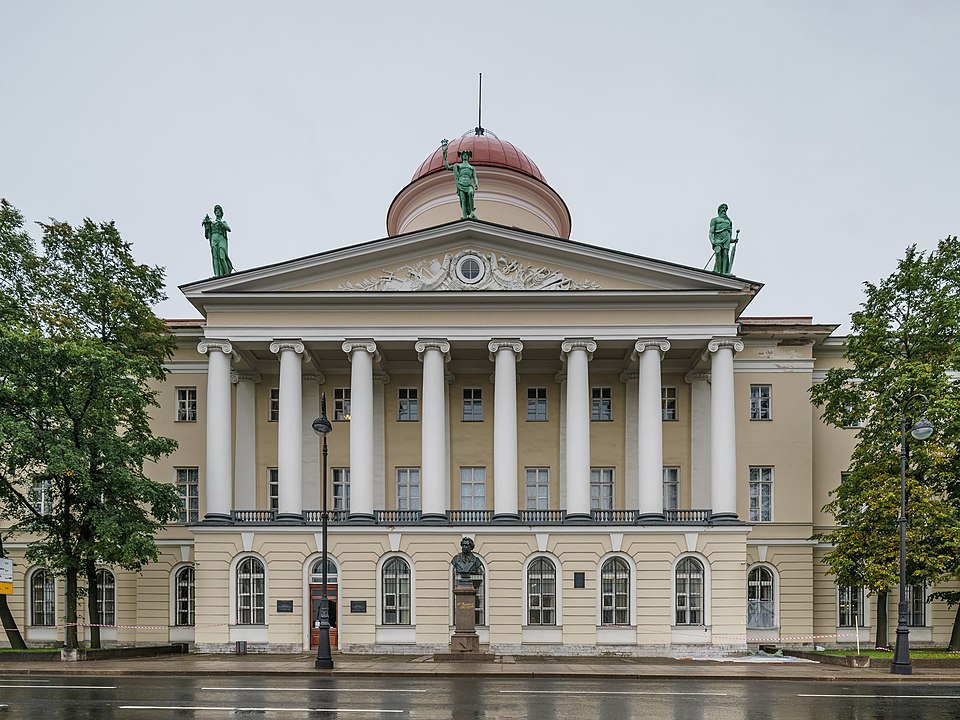
Внешний вид Пушкинского дома РАН на Васильевском острове в Санкт-Петербурге. Фото: A.Savin по лицензии FAL
- 115 лет назад (1907) родился Николай Никитин, советский архитектор и ученый в области строительных конструкций
- 103 года назад (1919) родился Оке Сейфарт, шведский конькобежец, олимпийский чемпион, рекордсмен мира
- 99 лет назад (1923) зарегистрирована эмблема автомобилестроительной фирмы «Шкода»
- 73 года назад (1949) родился Дон Джонсон, американский актер и певец
- 72 года назад (1950) родился Борис Грызлов, российский политический и государственный деятель
- 70 лет назад (1952) родился Андрей Разбаш, российский телеведущий, режиссер, продюсер
- 56 лет назад (1966) открыт спутник Сатурна Янус, который называют «двуликим»
- 50 лет назад (1972) образована организация ООН по охране окружающей среды (ЮНЕП)
Известные личности, родившиеся и ушедшие из жизни в этот день: Персоны дня: 15 декабря
Подробная сводка по известным личностям за весь месяц: Кто родился в декабре
Детальная хроника декабрьских событий: Памятные даты в декабре. Хроника по годам
Кто сегодня именинник?
15 декабря празднуют именины: Алексей, Андрей, Афанасий, Борис, Вера, Владимир, Дмитрий, Иван, Кирилл, Константин, Кузьма, Маргарита, Мария, Матвей, Мирра, Моисей, Николай, Павел, Сергей, Степан, Тамара, Федор. Уважаемые именинники, пожалуйста, примите наши поздравления от имени Calend.ru!
Давайте поговорим об имени Вера, которое имеет славянское происхождение и означает «служение Богу». Вера в детстве уравновешенная девочка, обладает логическим складом ума. Любит самые разные безделушки, и все ненужные в доме вещички, в конце концов, оказываются среди ее игрушек. Избегает шумных компаний, капризов за ней не водится. Учится прилежно, охотно ухаживает за младшим братиком или сестренкой. Близких подруг у Веры немного. Не спешит пораньше выйти замуж.

Вера Васильева. Фото: kinopoisk.ru
Это имя в течение года встречается в календаре 6 раз, в декабре 2 раза — 15 декабря, 31 декабря. Почему имя может встречаться много раз в календаре именин и как определить точно дату своих именин, читайте во вступлении к разделу «Именины» на Calend.ru.
Полный календарь именин на декабрь 2022 года — на странице Calend.ru «Именины в декабре». В нем упомянуто 312 имен, некоторые могут встречаться несколько раз в течение месяца.
Какой лунный день сегодня?
15 декабря 2022 года до 23:22 длятся двадцать вторые лунные сутки. Фаза луны — третья четверть.
Подробный прогноз дня на страничке Calend.ru «Лунный календарь на 15.12.2022». Он включает в себя общую характеристику лунных суток, их влияние на личность, бизнес и деньги, здоровье, брак и отношения с другими людьми, предупреждения насчет сложных моментов дня, подсказки по снам. Дополнительные рекомендации получат те, кто родился в этот лунный день.
Информация лунного календаря по другим дням месяца — на главной странице раздела «Лунный календарь».
Тема дня
Решение отмечать праздник именно 15 декабря было принято после неоднократного обсуждения во многих международных организациях и профсоюзах, во время Всемирного общественного форума (World Social Forum), проходившего в 2004 году в Мумбае (Mumbai, Индия) и в 2005 году в Порте Аллегре (Porte Allegre, Бразилия). Именно в этот день была принята Мировая Декларация Прав работников чайной индустрии в 1773 году.
Другие события дня, представленные в формате постеров, расположены в разделе «Постер дня».
Рассказ дня
15 декабря Международный день чая.
Наш сегодняшний рассказ написан под вдохновением от этого события.
Подруги уже не помнили, когда и как зародилась эта традиция — их личный чайный день. В середине декабря они встречались в городе, ходили по любимым кафе, пили любимые сорта чая и говорили, говорили, говорили…
В декабре город преображался, расцвечивался гирляндами, елочки, снеговики, по-праздничному нарядные магазины радовали предновогодним ассортиментом. Алина и Лера с удовольствием делали приятные покупки близким.
Продолжение далее.
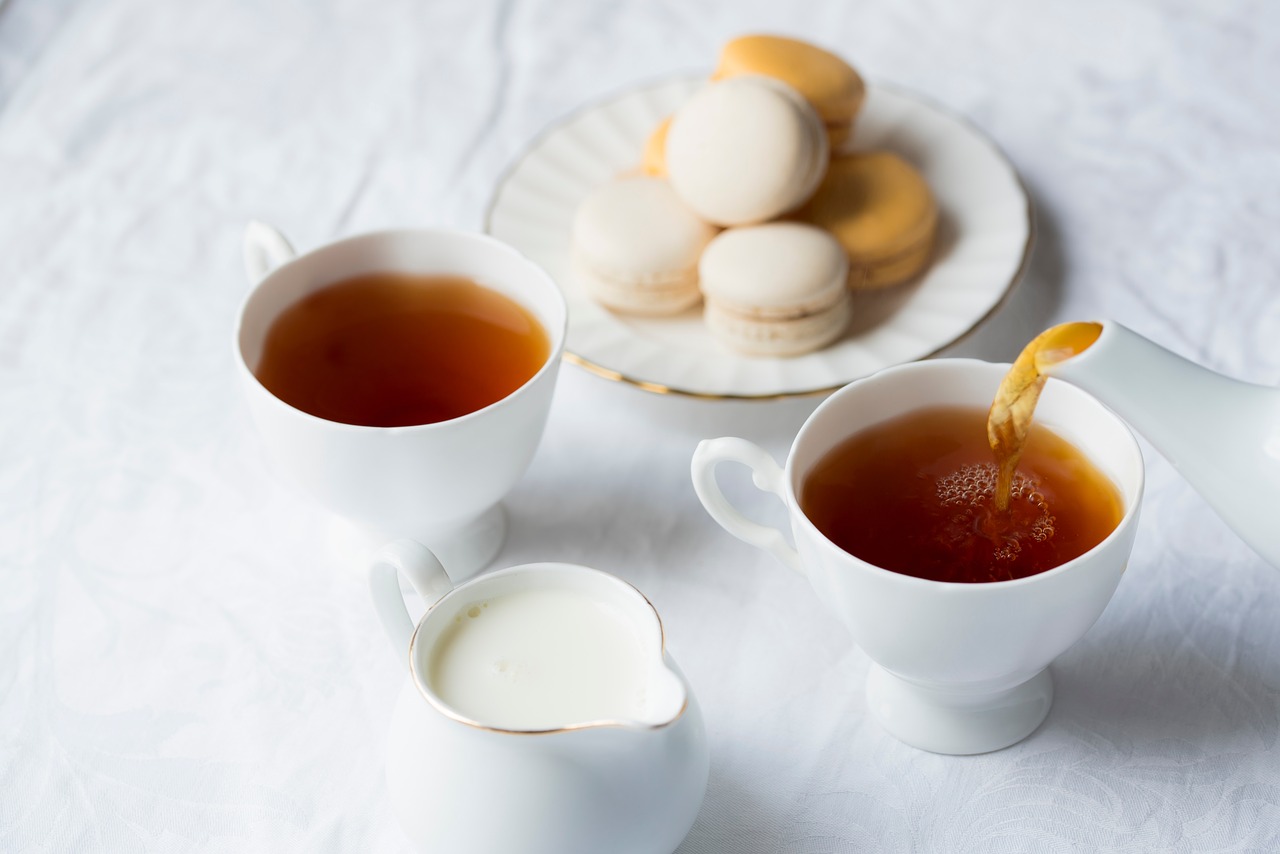
Фото: по лицензии pixabay.com
Рекомендации астрологов на декабрь и весь 2022 год
Для тех, кто не любит полагаться на случай и предпочитает планировать важные дела в соответствии с гороскопом или лунным календарем, мы подготовили следующие материалы:
- Календарь стрижек на декабрь 2022 года
- Гороскоп на декабрь 2022 года: что нам ожидать от звезд в преддверии Нового года?
- Гороскоп на весь 2022 год для всех знаков Зодиака
- Что нельзя делать в год Тигра другим знакам восточного гороскопа
Желаем всем нашим читателям отличного дня!
Календарь праздников на эту неделю в России – это список официальных государственных праздников РФ, ближайших памятных дат, церковных праздников и важных дней по православному календарю, а также интересных и необычных событий и годовщин, отмечаемых во всем мире. Не забудьте поздравить своих родных и близких!
30 января, понедельник
Антон Перезимник
Ежегодно 30 января наступает день Антона Перезимника… →
День деда Мороза и Снегурки
30 января назвали Днем деда Мороза и Снегурки. Эти персонажи хорошо известны детям по сказкам, стихам и поверьям… →
Состоялось роковое назначение Гитлера на пост рейхсканцлера Германии
30 января 1933 года на пост главы правительства Германской империи назначили Адольфа Гитлера, лидера местной нацистской партии… →
Учрежден Всемирный день помощи больным проказой
По общему убеждению проказа — одна из наиболее древних в мире болезней… →
И еще 10 праздничных событий
31 января, вторник
Афанасий Ломонос
В январе 31-го числа (18-го – по-старому стилю) у православных христиан установлено поминовение святителей Афанасия Великого и Кирилла… →
День рождения русской водки
«День рождения русской водки» в предстоящем году будут праздновать 31 января. Знаменательное событие стали отмечать много лет назад… →
Зарегистрирован товарный знак «Кока-Кола»
Практически каждый современный потребитель вне зависимости от возрастной категории, социального статуса и вероисповедания знает о том, что такое… →
Международный день ювелира
Международный день ювелира был учрежден в честь мастеров ювелирного ремесла и отмечается ежегодно 31 января… →
И еще 8 праздничных событий
1 февраля, среда
Всемирный день хиджаба
Хиджаб является традиционным мусульманский платком, в разных вариациях принятым для ношения женщинами в большинстве арабских и исламских стран и… →
День интронизации Святейшего Патриарха Московского и всея Руси Кирилла
1 февраля 2009 года на патриарший престол Русской Православной Церкви взошел 16-й Патриарх… →
День работника лифтового хозяйства
Современная индустриальная застройка невозможна без высотных многоэтажных зданий, так как наиболее эффективное перемещение грузов и людей между… →
Макарьев день
В православной истории большое количество личностей, канонизированных за определенные заслуги… →
И еще 18 праздничных событий
2 февраля, четверг
Всемирный день водно-болотных угодий
На первый взгляд болота не несут никакой пользы… →
День разгрома советскими войсками немецко-фашистских войск в Сталинградской битве (1943 год)
Сталинградская Битва стала одним из ключевых этапов Второй мировой войны… →
День сурка
Этот день отмечает Северная Америка и Канада… →
Ефимов день
Ефимов, или Ефимьев, день — праздник, отмечаемый ежегодно 2 февраля (20 января по юлианскому календарю)… →
Издан указ Петра I, положивший начало Балтийскому флоту
Начиная с 16-18 веков статус и мощь государств мира стали определять по могуществу флота и армии… →
И еще 15 праздничных событий
3 февраля, пятница
Всемирный день свободной любви
Всемирный день свободной любви отмечается 3 февраля ежегодно. Праздник приверженцев интимных отношений, без обязательств и без ответственности… →
Иван Грозный учредил опричнину
По оценке историков годы правления Ивана 4 Грозного (1547-1584) являются весьма сложным, противоречивым и неоднозначным временем… →
Максимов день
По церковному календарю, Максимов день отмечается 3 февраля ежегодно… →
Сецубун
Пока многие из современных государств стараются избавиться от пережитков истории в виде обычаев, Япония наоборот старается чтить и приумножать… →
И еще 17 праздничных событий
4 февраля, суббота
Всемирный день борьбы против рака
Всемирный день борьбы против рака создан для поддержки людей в борьбе с тяжким недугом… →
День памяти преподобного Макария Жабынского, Белевского чудотворца
Преподобный Макарий Жаботинский является знаковым святым для Русской Православной Церкви, так как вся его жизнь представляет с собой единый духовный… →
День рождения резиновых калош
В XIX-XX столетиях галоши были необходимым аксессуаром. Они позволяли держать ноги сухими и предохраняли обувь от загрязнения и промокания… →
День рождения Facebook
До появление глобальной сети Интернет со всеми ресурсами, которые она в себя включает, общество черпало сведения и новости из газет, радио, а затем с… →
Тимофеев день
Народ чтит память мученика ежегодно 4 февраля. В наступающем году он приходится на понедельник… →
И еще 12 праздничных события
5 февраля, воскресенье
Агафий-полухлебник
День Агафия-полухлебника, в святцах именуется памяти святого Агафангела Римлянина, указан 5 февраля. Народ посвящает его домашним хлопотам… →
Всемирный день Нутеллы
Сегодня баночки с шоколадной пастой Nutella можно встретить практически в любом магазине… →
День памяти святой Агаты
Святая Агата Сицилийская (231—251 г. н.э… →
День эрудита
Джеймс Норткот сравнил эрудита с резервуаром знаний. Это не фонтанирующий идеями и проектами человек… →
Открылась первая пассажирская авиалиния
Сегодня авиаперелёты является кратчайшим путём для доставки пассажиров и грузов на дальние расстояния по всему миру… →
И еще 12 праздничных события
Смотрите также праздники на следующей неделе в России
From Wikipedia, the free encyclopedia
Thursday is the day of the week between Wednesday and Friday. According to the ISO 8601 international standard, it is the fourth day of the week. In countries which adopt the «Sunday-first» convention, it is the fifth day of the week.[1]
Name[edit]
See Names of the days of the week for more on naming conventions.
Thor’s day[edit]

Painting depicting the Norse god Thunor (the Norse Thor), after whom Thursday is named, by Mårten Eskil Winge, 1872
The name is derived from Old English þunresdæg and Middle English Thuresday (with loss of -n-, first in northern dialects, from influence of Old Norse Þórsdagr) meaning «Thor’s Day». It was named after the Norse god of Thunder, Thor.[2][3][4] Thunor, Donar (German, Donnerstag) and Thor are derived from the name of the Germanic god of thunder, Thunraz, equivalent to Jupiter in the interpretatio romana.
In most Romance languages, the day is named after the Roman god Jupiter, who was the god of sky and thunder. In Latin, the day was known as Iovis Dies, «Jupiter’s Day». In Latin, the genitive or possessive case of Jupiter was Iovis/Jovis and thus in most Romance languages it became the word for Thursday: Italian giovedì, Spanish jueves, French jeudi, Sardinian jòvia, Catalan dijous, Galician xoves and Romanian joi. This is also reflected in the p-Celtic Welsh dydd Iau.
The astrological and astronomical sign of the planet Jupiter (♃  ) is sometimes used to represent Thursday.
Since the Roman god Jupiter was identified with Thunor (Norse Thor in northern Europe), most Germanic languages name the day after this god: Torsdag in Danish, Norwegian, and Swedish, Hósdagur/Tórsdagur in Faroese, Donnerstag in German or Donderdag in Dutch. Finnish and Northern Sami, both non-Germanic (Uralic) languages, uses the borrowing «Torstai» and «Duorastat». In the extinct Polabian Slavic language, it was perundan, Perun being the Slavic equivalent of Thor.[5]
Vishnu’s/Buddha’s/Dattatrey’s Day[edit]
There are a number of modern names imitating the naming of Thursday after an equivalent of «Jupiter» in local tradition.
In most of the languages of India, the word for Thursday is Guruvāra – vāra meaning day and Guru being the style for Bṛhaspati, guru to the gods and regent of the planet Jupiter. This day marks the worship of Lord Vishnu/Lord Buddha and Lord Dattatreya in Hinduism. In Sanskrit language, the day is called Bṛhaspativāsaram (day of Bṛhaspati). In Nepali language, the day is called Bihivāra as derived from the Sanskrit word same like in Hindi vara means day and Bihivāra meaning Bṛhaspati. In Thai, the word is Wan Pharuehatsabodi, also in Old Javanese as Respati or in Balinese as Wraspati – referring to the Hindu deity Bṛhaspati, also associated with Jupiter.
En was an old Illyrian deity and in his honor in the Albanian language Thursday is called «Enjte».[6]
In the Nahuatl language, Thursday is Tezcatlipotōnal (Nahuatl pronunciation: [teskat͡ɬipoˈtoːnaɬ]) meaning «day of Tezcatlipoca».
In Japanese, the day is 木曜日 (木 represents Jupiter, 木星), following East Asian tradition.
Fourth day[edit]
In Slavic languages and in Chinese, this day’s name is «fourth» (Slovak štvrtok, Czech čtvrtek, Slovene četrtek, Polish czwartek, Russian четверг chetverg, Bulgarian четвъртък, Serbo-Croatian четвртак / četvrtak, Macedonian четврток, Ukrainian четвер chetver). Hungarian uses a Slavic loanword «csütörtök». In Chinese, it is 星期四 xīngqīsì («fourth solar day»). In Estonian it’s neljapäev, meaning «fourth day» or «fourth day in a week». The Baltic languages also use the term «fourth day» (Latvian ceturtdiena, Lithuanian ketvirtadienis).
Fifth day[edit]
Greek uses a number for this day: Πέμπτη Pémpti «fifth,» as does Portuguese: quinta-feira «fifth day,» Hebrew: יום חמישי (Yom Khamishi – day fifth) often written ‘יום ה («Yom Hey» – 5th letter Hey day), and Arabic: يوم الخميس («Yaum al-Khamīs» – fifth day). Rooted from Arabic, the Indonesian word for Thursday is «Kamis», similarly «Khamis» in Malaysian and «Kemis» in Javanese.
In Catholic liturgy, Thursday is referred to in Latin as feria quinta. Portuguese, unlike other Romance languages, uses the word quinta-feira, meaning «fifth day of liturgical celebration», that comes from the Latin feria quinta used in religious texts where it was not allowed to consecrate days to pagan gods.
Icelandic also uses the term fifth day (Fimmtudagur).
In the Persian language, Thursday is referred to as panj-shanbeh, meaning 5th day of the week.
Vietnamese refers to Thursday as Thứ năm (literally means «day five»).
Quakers traditionally referred to Thursday as «Fifth Day» eschewing the pagan origin of the English name «Thursday».[7]
Cultural and religious practices[edit]
Christian holidays[edit]
In the Christian tradition, Maundy Thursday or Holy Thursday is the Thursday before Easter — the day on which the Last Supper occurred. Also known as Sheer Thursday in the United Kingdom, it is traditionally a day of cleaning and giving out Maundy money there. Holy Thursday is part of Holy Week.
In the Eastern Orthodox Church. Thursdays are dedicated to the Apostles and Saint Nicholas. The Octoechos contains hymns on these themes, arranged in an eight-week cycle, that are chanted on Thursdays throughout the year. At the end of Divine Services on Thursday, the dismissal begins with the words: «May Christ our True God, through the intercessions of his most-pure Mother, of the holy, glorious and all-laudable Apostles, of our Father among the saints Nicholas, Archbishop of Myra in Lycia, the Wonder-worker…»
Ascension Thursday is 40 days after Easter, when Christ ascended into Heaven.
Islam[edit]
In Islam, Thursdays are one of the days in a week in which Muslims are encouraged to do voluntary fasting, the other being Mondays.[citation needed]
Judaism[edit]
In Judaism, Thursdays are considered auspicious days for fasting. The Didache warned early Christians not to fast on Thursdays to avoid Judaizing, and suggested Fridays instead.
In Judaism the Torah is read in public on Thursday mornings, and special penitential prayers are said on Thursday, unless there is a special occasion for happiness which cancels them.
Druze faith[edit]

Formal Druze worship is confined to weekly meeting on Thursday evenings, during which all members of community gather together to discuss local issues before those not initiated into the secrets of the faith (the juhhāl, or the ignorant) are dismissed, and those who are «uqqāl» or «enlightened» (those few initiated in the Druze holy books) remain to read and study their holy scriptures.[8]
Practices in countries[edit]
In Buddhist Thailand Thursday is considered the «Teacher’s Day», and it is believed that one should begin one’s education on this auspicious day. Thai students still pay homages to their teachers in specific ceremony always held on a selected Thursday. And graduation day in Thai universities, which can vary depending on each university, almost always will be held on a Thursday.
In the Thai solar calendar, the colour associated with Thursday is orange.
In the United States, Thanksgiving Day is an annual festival celebrated on the fourth Thursday in November.
In Finland and Sweden, pea soup is traditionally served on Thursdays.[9][10]
Conventional weekly events[edit]
In Australia, most cinema movies premieres are held on Thursdays. Also, most Australians are paid on a Thursday, either weekly or fortnightly. Shopping malls see this as an opportunity to open longer than usual, generally until 9 pm, as most pay cheques are cleared by Thursday morning.
In Norway, Thursday has also traditionally been the day when most shops and malls are open later than on the other weekdays, although the majority of shopping malls now are open until 8 pm or 9 pm every weekday.
In the USSR of the 1970s and 1980s Thursday was the «Fish Day» (Russian: Рыбный день, Rybny den), when the nation’s foodservice establishments were supposed to serve fish (rather than meat) dishes.[11]
For college and university students, Thursday is sometimes referred to as the new Friday. There are often fewer or sometimes no classes on Fridays and more opportunities to hold parties on Thursday night and sleep in on Friday. As a consequence, some call Thursday «thirstday» or «thirsty Thursday».[12]
Elections in the United Kingdom[edit]
In the United Kingdom, all general elections since 1935 have been held on a Thursday, and this has become a tradition, although not a requirement of the law — which merely states that an election may be held on any day «except Saturdays, Sundays, Christmas Eve, Christmas Day, Good Friday, bank holidays in any part of the United Kingdom and any day appointed for public thanksgiving and mourning.»[13]
Additionally, local elections are usually held on the first Thursday in May.[citation needed]
The Electoral Administration Act 2006 removed Maundy Thursday as an excluded day on the electoral timetable, therefore an election can now be held on Maundy Thursday; prior to this elections were sometimes scheduled on the Tuesday before as an alternative.
Astrology[edit]
Thursday is aligned by the planet Jupiter and the astrological signs of Pisces and Sagittarius.[citation needed]
Popular culture[edit]
- In the nursery rhyme, «Monday’s Child», «Thursday’s Child has far to go».
- In some high schools in the United States during the 1950s and the 1960s, rumours said that if someone wore green on Thursdays, it meant that he or she was gay or lesbian.[14]
- Thursday is the day of the Second Round draw in the English League Cup.
- Super Thursday is an annual promotional event in the publishing industry as well as an important day in UK elections (see above).
Literature[edit]
- Gabriel Syme, the main character, was given the title of Thursday in G. K. Chesterton’s novel The Man Who Was Thursday (1908).
- The titular day in Sweet Thursday (1954) (the sequel to John Steinbeck’s novel Cannery Row (1945)), the author explains, is the day after Lousy Wednesday and the day before Waiting Friday.
- In The Hitchhiker’s Guide to the Galaxy by Douglas Adams, the character Arthur Dent says: «This must be Thursday. I never could get the hang of Thursdays». A few minutes later the planet Earth is destroyed. In another Douglas Adams book, The Long Dark Tea-time of the Soul (1988), one of the characters says to the character Thor, after whom the day was named: «I’m not used to spending the evening with someone who’s got a whole day named after them».
- In the cross media work Thursday’s Fictions by Richard James Allen and Karen Pearlman, Thursday is the title character, a woman who tries to cheat the cycle of reincarnation to get a form of eternal life. Thursday’s Fictions has been a stage production, a book, a film and an 3D online immersive world in Second Life.[15]
- Thursday Next is the central character in a series of novels by Jasper Fforde.
- In Garth Nix’s popular The Keys to the Kingdom series, Thursday is an antagonist, a violent general who is a personification of the actual day and the Sin of Wrath.
- According to Nostradamus’ prediction (Century 1, Quatrain 50), a powerful (but otherwise unidentified) leader who will threaten «the East» will be born of three water signs and takes Thursday as his feast day.[16]
Cinema[edit]
- Thursday (1998 film) is a movie starring Thomas Jane, about the day of a drug dealer gone straight, who gets pulled back into his old lifestyle.
- The Thursday (1963), is an Italian film.
Music[edit]
- Thursday Afternoon is a 1985 album by the British ambient musician Brian Eno consisting of one 60-minute-long composition. It is the rearranged soundtrack to a video production of the same title made in 1984.
- Donnerstag aus Licht (Thursday from Light) is an opera by Karlheinz Stockhausen.
- Thursday is a post-hardcore band from New Brunswick, New Jersey, formed in 1997.
- «Thursday’s Child» is a David Bowie song from the album hours…(1999).
- «Thursday’s Child» is a song by The Chameleons on Script of the Bridge (1983).
- «Outlook for Thursday» was a hit in New Zealand for Dave Dobbyn.
- Thursday (mixtape)» is the name of a mixtape by R&B artist The Weeknd released in 2011.
References[edit]

Wikimedia Commons has media related to Thursday.

Wikiquote has quotations related to Thursday.

Look up Thursday in Wiktionary, the free dictionary.
- ^ «Jackson, Millie». Oxford Music Online. Oxford University Press. 22 September 2015. doi:10.1093/gmo/9781561592630.article.a2284707.
- ^ «Anglo-Saxon Week». English Heathenism. Archived from the original on 24 September 2009. Retrieved 30 July 2015.
- ^ Stone, John Robert (1997). «Observing Bede’s Anglo-Saxon Calendar». The English Companions. Archived from the original on 4 May 2010. Retrieved 30 July 2015.
- ^ «Online Etymology Dictionary». Etymonline.com. Retrieved 6 August 2012.
- ^ Jakobson, Roman (1962). Selected writings: Comparative Slavic studies – Roman Jakobson – Google Books. ISBN 9783110106176. Retrieved 6 August 2012.
- ^ Lurker, Manfred. The Routledge Dictionary of Gods and Goddesses, Devils and Demons, Taylor & Francis e-Library, 2005. p.57
- ^ «Guide to Quaker Calendar Names». Iowa Yearly Meeting (Conservative) Religious Society of Friends (Quakers). Retrieved 30 March 2017.
In the 20th Century, many Friends began accepting use of the common date names, feeling that any pagan meaning has been forgotten. The numerical names continue to be used, however, in many documents and more formal situations.»
- ^ Samy S. Swayd (2009). The A to Z of the Druzes. Rowman & Littlefield. p. xxxix. ISBN 978-0-8108-6836-6.
- ^ «Pea soup tradition is weekly #TBT passion in Finland». This Is Finland. 4 January 2017. Retrieved 9 February 2021.
- ^ «Yellow pea soup». SwedishFood.com. Retrieved 9 February 2021.
- ^ Petrosian, Irina; Underwood, David (2006), Armenian Food: Fact, Fiction & Folklore, Armenian Research Center collection (2 ed.), p. 115, ISBN 1411698657
- ^ Hafner, Katie (6 November 2005). «How Thursday Became the New Friday». The New York Times. Retrieved 28 March 2010.
- ^ «Representation of the People Act 1983». Schedule 1, Act of 1 November 1996. Retrieved 3 November 2016.
- ^ Grahn, Judy (1990). Another Mother Tongue: Gay Words, Gay Worlds (updated and expanded ed.). Boston: Beacon Press. pp. 76–81. ISBN 0-8070-7911-1.
- ^ «Magazine – issue 80 – dance film: spiritual odyssey». RealTime Arts. Retrieved 6 August 2012.
- ^ Nostradamus. «Century 1 – Quatrain 50». Nostradamus Quatrains. Archived from the original on 27 August 2012. Retrieved 6 August 2012.
From Wikipedia, the free encyclopedia
Thursday is the day of the week between Wednesday and Friday. According to the ISO 8601 international standard, it is the fourth day of the week. In countries which adopt the «Sunday-first» convention, it is the fifth day of the week.[1]
Name[edit]
See Names of the days of the week for more on naming conventions.
Thor’s day[edit]
Painting depicting the Norse god Thunor (the Norse Thor), after whom Thursday is named, by Mårten Eskil Winge, 1872
The name is derived from Old English þunresdæg and Middle English Thuresday (with loss of -n-, first in northern dialects, from influence of Old Norse Þórsdagr) meaning «Thor’s Day». It was named after the Norse god of Thunder, Thor.[2][3][4] Thunor, Donar (German, Donnerstag) and Thor are derived from the name of the Germanic god of thunder, Thunraz, equivalent to Jupiter in the interpretatio romana.
In most Romance languages, the day is named after the Roman god Jupiter, who was the god of sky and thunder. In Latin, the day was known as Iovis Dies, «Jupiter’s Day». In Latin, the genitive or possessive case of Jupiter was Iovis/Jovis and thus in most Romance languages it became the word for Thursday: Italian giovedì, Spanish jueves, French jeudi, Sardinian jòvia, Catalan dijous, Galician xoves and Romanian joi. This is also reflected in the p-Celtic Welsh dydd Iau.
The astrological and astronomical sign of the planet Jupiter (♃ ) is sometimes used to represent Thursday.
Since the Roman god Jupiter was identified with Thunor (Norse Thor in northern Europe), most Germanic languages name the day after this god: Torsdag in Danish, Norwegian, and Swedish, Hósdagur/Tórsdagur in Faroese, Donnerstag in German or Donderdag in Dutch. Finnish and Northern Sami, both non-Germanic (Uralic) languages, uses the borrowing «Torstai» and «Duorastat». In the extinct Polabian Slavic language, it was perundan, Perun being the Slavic equivalent of Thor.[5]
Vishnu’s/Buddha’s/Dattatrey’s Day[edit]
There are a number of modern names imitating the naming of Thursday after an equivalent of «Jupiter» in local tradition.
In most of the languages of India, the word for Thursday is Guruvāra – vāra meaning day and Guru being the style for Bṛhaspati, guru to the gods and regent of the planet Jupiter. This day marks the worship of Lord Vishnu/Lord Buddha and Lord Dattatreya in Hinduism. In Sanskrit language, the day is called Bṛhaspativāsaram (day of Bṛhaspati). In Nepali language, the day is called Bihivāra as derived from the Sanskrit word same like in Hindi vara means day and Bihivāra meaning Bṛhaspati. In Thai, the word is Wan Pharuehatsabodi, also in Old Javanese as Respati or in Balinese as Wraspati – referring to the Hindu deity Bṛhaspati, also associated with Jupiter.
En was an old Illyrian deity and in his honor in the Albanian language Thursday is called «Enjte».[6]
In the Nahuatl language, Thursday is Tezcatlipotōnal (Nahuatl pronunciation: [teskat͡ɬipoˈtoːnaɬ]) meaning «day of Tezcatlipoca».
In Japanese, the day is 木曜日 (木 represents Jupiter, 木星), following East Asian tradition.
Fourth day[edit]
In Slavic languages and in Chinese, this day’s name is «fourth» (Slovak štvrtok, Czech čtvrtek, Slovene četrtek, Polish czwartek, Russian четверг chetverg, Bulgarian четвъртък, Serbo-Croatian четвртак / četvrtak, Macedonian четврток, Ukrainian четвер chetver). Hungarian uses a Slavic loanword «csütörtök». In Chinese, it is 星期四 xīngqīsì («fourth solar day»). In Estonian it’s neljapäev, meaning «fourth day» or «fourth day in a week». The Baltic languages also use the term «fourth day» (Latvian ceturtdiena, Lithuanian ketvirtadienis).
Fifth day[edit]
Greek uses a number for this day: Πέμπτη Pémpti «fifth,» as does Portuguese: quinta-feira «fifth day,» Hebrew: יום חמישי (Yom Khamishi – day fifth) often written ‘יום ה («Yom Hey» – 5th letter Hey day), and Arabic: يوم الخميس («Yaum al-Khamīs» – fifth day). Rooted from Arabic, the Indonesian word for Thursday is «Kamis», similarly «Khamis» in Malaysian and «Kemis» in Javanese.
In Catholic liturgy, Thursday is referred to in Latin as feria quinta. Portuguese, unlike other Romance languages, uses the word quinta-feira, meaning «fifth day of liturgical celebration», that comes from the Latin feria quinta used in religious texts where it was not allowed to consecrate days to pagan gods.
Icelandic also uses the term fifth day (Fimmtudagur).
In the Persian language, Thursday is referred to as panj-shanbeh, meaning 5th day of the week.
Vietnamese refers to Thursday as Thứ năm (literally means «day five»).
Quakers traditionally referred to Thursday as «Fifth Day» eschewing the pagan origin of the English name «Thursday».[7]
Cultural and religious practices[edit]
Christian holidays[edit]
In the Christian tradition, Maundy Thursday or Holy Thursday is the Thursday before Easter — the day on which the Last Supper occurred. Also known as Sheer Thursday in the United Kingdom, it is traditionally a day of cleaning and giving out Maundy money there. Holy Thursday is part of Holy Week.
In the Eastern Orthodox Church. Thursdays are dedicated to the Apostles and Saint Nicholas. The Octoechos contains hymns on these themes, arranged in an eight-week cycle, that are chanted on Thursdays throughout the year. At the end of Divine Services on Thursday, the dismissal begins with the words: «May Christ our True God, through the intercessions of his most-pure Mother, of the holy, glorious and all-laudable Apostles, of our Father among the saints Nicholas, Archbishop of Myra in Lycia, the Wonder-worker…»
Ascension Thursday is 40 days after Easter, when Christ ascended into Heaven.
Islam[edit]
In Islam, Thursdays are one of the days in a week in which Muslims are encouraged to do voluntary fasting, the other being Mondays.[citation needed]
Judaism[edit]
In Judaism, Thursdays are considered auspicious days for fasting. The Didache warned early Christians not to fast on Thursdays to avoid Judaizing, and suggested Fridays instead.
In Judaism the Torah is read in public on Thursday mornings, and special penitential prayers are said on Thursday, unless there is a special occasion for happiness which cancels them.
Druze faith[edit]
Formal Druze worship is confined to weekly meeting on Thursday evenings, during which all members of community gather together to discuss local issues before those not initiated into the secrets of the faith (the juhhāl, or the ignorant) are dismissed, and those who are «uqqāl» or «enlightened» (those few initiated in the Druze holy books) remain to read and study their holy scriptures.[8]
Practices in countries[edit]
In Buddhist Thailand Thursday is considered the «Teacher’s Day», and it is believed that one should begin one’s education on this auspicious day. Thai students still pay homages to their teachers in specific ceremony always held on a selected Thursday. And graduation day in Thai universities, which can vary depending on each university, almost always will be held on a Thursday.
In the Thai solar calendar, the colour associated with Thursday is orange.
In the United States, Thanksgiving Day is an annual festival celebrated on the fourth Thursday in November.
In Finland and Sweden, pea soup is traditionally served on Thursdays.[9][10]
Conventional weekly events[edit]
In Australia, most cinema movies premieres are held on Thursdays. Also, most Australians are paid on a Thursday, either weekly or fortnightly. Shopping malls see this as an opportunity to open longer than usual, generally until 9 pm, as most pay cheques are cleared by Thursday morning.
In Norway, Thursday has also traditionally been the day when most shops and malls are open later than on the other weekdays, although the majority of shopping malls now are open until 8 pm or 9 pm every weekday.
In the USSR of the 1970s and 1980s Thursday was the «Fish Day» (Russian: Рыбный день, Rybny den), when the nation’s foodservice establishments were supposed to serve fish (rather than meat) dishes.[11]
For college and university students, Thursday is sometimes referred to as the new Friday. There are often fewer or sometimes no classes on Fridays and more opportunities to hold parties on Thursday night and sleep in on Friday. As a consequence, some call Thursday «thirstday» or «thirsty Thursday».[12]
Elections in the United Kingdom[edit]
In the United Kingdom, all general elections since 1935 have been held on a Thursday, and this has become a tradition, although not a requirement of the law — which merely states that an election may be held on any day «except Saturdays, Sundays, Christmas Eve, Christmas Day, Good Friday, bank holidays in any part of the United Kingdom and any day appointed for public thanksgiving and mourning.»[13]
Additionally, local elections are usually held on the first Thursday in May.[citation needed]
The Electoral Administration Act 2006 removed Maundy Thursday as an excluded day on the electoral timetable, therefore an election can now be held on Maundy Thursday; prior to this elections were sometimes scheduled on the Tuesday before as an alternative.
Astrology[edit]
Thursday is aligned by the planet Jupiter and the astrological signs of Pisces and Sagittarius.[citation needed]
Popular culture[edit]
- In the nursery rhyme, «Monday’s Child», «Thursday’s Child has far to go».
- In some high schools in the United States during the 1950s and the 1960s, rumours said that if someone wore green on Thursdays, it meant that he or she was gay or lesbian.[14]
- Thursday is the day of the Second Round draw in the English League Cup.
- Super Thursday is an annual promotional event in the publishing industry as well as an important day in UK elections (see above).
Literature[edit]
- Gabriel Syme, the main character, was given the title of Thursday in G. K. Chesterton’s novel The Man Who Was Thursday (1908).
- The titular day in Sweet Thursday (1954) (the sequel to John Steinbeck’s novel Cannery Row (1945)), the author explains, is the day after Lousy Wednesday and the day before Waiting Friday.
- In The Hitchhiker’s Guide to the Galaxy by Douglas Adams, the character Arthur Dent says: «This must be Thursday. I never could get the hang of Thursdays». A few minutes later the planet Earth is destroyed. In another Douglas Adams book, The Long Dark Tea-time of the Soul (1988), one of the characters says to the character Thor, after whom the day was named: «I’m not used to spending the evening with someone who’s got a whole day named after them».
- In the cross media work Thursday’s Fictions by Richard James Allen and Karen Pearlman, Thursday is the title character, a woman who tries to cheat the cycle of reincarnation to get a form of eternal life. Thursday’s Fictions has been a stage production, a book, a film and an 3D online immersive world in Second Life.[15]
- Thursday Next is the central character in a series of novels by Jasper Fforde.
- In Garth Nix’s popular The Keys to the Kingdom series, Thursday is an antagonist, a violent general who is a personification of the actual day and the Sin of Wrath.
- According to Nostradamus’ prediction (Century 1, Quatrain 50), a powerful (but otherwise unidentified) leader who will threaten «the East» will be born of three water signs and takes Thursday as his feast day.[16]
Cinema[edit]
- Thursday (1998 film) is a movie starring Thomas Jane, about the day of a drug dealer gone straight, who gets pulled back into his old lifestyle.
- The Thursday (1963), is an Italian film.
Music[edit]
- Thursday Afternoon is a 1985 album by the British ambient musician Brian Eno consisting of one 60-minute-long composition. It is the rearranged soundtrack to a video production of the same title made in 1984.
- Donnerstag aus Licht (Thursday from Light) is an opera by Karlheinz Stockhausen.
- Thursday is a post-hardcore band from New Brunswick, New Jersey, formed in 1997.
- «Thursday’s Child» is a David Bowie song from the album hours…(1999).
- «Thursday’s Child» is a song by The Chameleons on Script of the Bridge (1983).
- «Outlook for Thursday» was a hit in New Zealand for Dave Dobbyn.
- Thursday (mixtape)» is the name of a mixtape by R&B artist The Weeknd released in 2011.
References[edit]
Wikimedia Commons has media related to Thursday.
Wikiquote has quotations related to Thursday.
Look up Thursday in Wiktionary, the free dictionary.
- ^ «Jackson, Millie». Oxford Music Online. Oxford University Press. 22 September 2015. doi:10.1093/gmo/9781561592630.article.a2284707.
- ^ «Anglo-Saxon Week». English Heathenism. Archived from the original on 24 September 2009. Retrieved 30 July 2015.
- ^ Stone, John Robert (1997). «Observing Bede’s Anglo-Saxon Calendar». The English Companions. Archived from the original on 4 May 2010. Retrieved 30 July 2015.
- ^ «Online Etymology Dictionary». Etymonline.com. Retrieved 6 August 2012.
- ^ Jakobson, Roman (1962). Selected writings: Comparative Slavic studies – Roman Jakobson – Google Books. ISBN 9783110106176. Retrieved 6 August 2012.
- ^ Lurker, Manfred. The Routledge Dictionary of Gods and Goddesses, Devils and Demons, Taylor & Francis e-Library, 2005. p.57
- ^ «Guide to Quaker Calendar Names». Iowa Yearly Meeting (Conservative) Religious Society of Friends (Quakers). Retrieved 30 March 2017.
In the 20th Century, many Friends began accepting use of the common date names, feeling that any pagan meaning has been forgotten. The numerical names continue to be used, however, in many documents and more formal situations.»
- ^ Samy S. Swayd (2009). The A to Z of the Druzes. Rowman & Littlefield. p. xxxix. ISBN 978-0-8108-6836-6.
- ^ «Pea soup tradition is weekly #TBT passion in Finland». This Is Finland. 4 January 2017. Retrieved 9 February 2021.
- ^ «Yellow pea soup». SwedishFood.com. Retrieved 9 February 2021.
- ^ Petrosian, Irina; Underwood, David (2006), Armenian Food: Fact, Fiction & Folklore, Armenian Research Center collection (2 ed.), p. 115, ISBN 1411698657
- ^ Hafner, Katie (6 November 2005). «How Thursday Became the New Friday». The New York Times. Retrieved 28 March 2010.
- ^ «Representation of the People Act 1983». Schedule 1, Act of 1 November 1996. Retrieved 3 November 2016.
- ^ Grahn, Judy (1990). Another Mother Tongue: Gay Words, Gay Worlds (updated and expanded ed.). Boston: Beacon Press. pp. 76–81. ISBN 0-8070-7911-1.
- ^ «Magazine – issue 80 – dance film: spiritual odyssey». RealTime Arts. Retrieved 6 August 2012.
- ^ Nostradamus. «Century 1 – Quatrain 50». Nostradamus Quatrains. Archived from the original on 27 August 2012. Retrieved 6 August 2012.
Чистый или Великий четверг – это особенный праздник для православных. Он отмечается за три дня до Пасхи. В 2022 году Чистый четверг выпадает на 21 апреля. В этот день, по традиции, дом подготавливают к Христову Воскресению, свои силы направляют на упорядочение мыслей и душевное очищение. Какова история, обряды, традиции Чистого четверга? Что можно и нельзя делать в этот праздник?
Суть и история Чистого четверга
Чистый четверг – это для верующих последний рубеж очищения грехов перед Пасхой, день, когда подводятся итоги Великого поста. В праздник завершают все дела по дому, чтобы в пятницу и субботу предаться скорби, а в воскресенье – радости.
История Чистого четверга начинается с Тайной вечери, когда Иисус собрал своих учеников. Сначала состоялась трапеза, где они вкушали хлеб и вино. Дальше произошел обряд омовения, который совершил Спаситель, помыв ноги своим апостолам, чтобы показать самоотверженную любовь и смирение.
Потом Христос пошел молиться и просить Господа пронести мимо чашу страданий. Его сопровождали Иоанн, Иаков и Петр, остальные ожидали их у входа в Гефсиманский сад. Именно в этот день Сын Божий произнес пророчество, что один из учеников предаст его. Так и случилось. В ночь с четверга на пятницу Иуда Искариот выдал его первосвященникам за 30 сребреников.

Фото: © Фреска Беато Анджелико. Wikimedia Commons
Традиции и обряды в Чистый четверг
С Чистым четвергом связано много традиций, которые соблюдают верующие. В этот праздник готовят специальную четверговую соль, которая имеет уникальные свойства, а также ходят в церковь.
Купание и умывание
В Великий четверг принято совершать омовение. Однако стоит совершать этот обряд не вечером, а рано утром – перед восходом солнца. Кроме того, согласно традиции, умывать лицо нужно из серебряной посуды (можно даже из ложки). Необходимо зачерпнуть воду и полить на лицо. Считается, что такой ритуал очищает от грехов.
Уборка
После умывания и купания приступали к генеральной уборке в доме – вытирали пыль, мыли полы и окна, ставили все на места, избавлялись от ненужных вещей. Люди считали, что с пылью исчезает из жизни все плохое.
Пересчитывание денег
Кроме того, в Великий четверг было принято пересчитывать все деньги. Это делалось ни один раз, а три – перед восходом солнца, в полдень и после заката. Такая традиция якобы приманивала благополучие и богатство.

Фото: © Известия/Александр Полегенько
Подготовка к Пасхе
Самая главная из традиций – это приготовление пасхального кулича и покраска яиц. Тесто нужно было ставить в четверг утром. К выпечке приступали только вечером – после молитвы. Верили, что от качества кулича зависит, какой будет год. Если он пышный, то это к счастью, а если черствый – к бедности и болезням.
Четверговая соль
Четверговая соль готовилась один раз в год — в ночь со среды на четверг Страстной недели или утром в Чистый четверг. Смешивалась крупная смоченная соль с квасной гущей или мякишем ржаного хлеба, который вымачивался в воде. Потом консистенция завязывалась в тряпку или клалась в старый берестяной лапоть.
Полученное ставили в печь на самый жар или закапывали в пепел и плотно закрывали створку на 3-4 часа. Соль обретала черный цвет и уникальные свойства. У этого обычая есть древние корни, когда верили, что Четверговая соль дает здоровье и защищает человека.
Что можно и нельзя делать в Чистый четверг?
Считалось, что после Страстного четверга наводить чистоту в доме до Пасхи нельзя, поэтому в этот день нужно было завершить уборку в жилище. Кроме того, есть еще ряд советов, чем необходимо заняться в праздник.
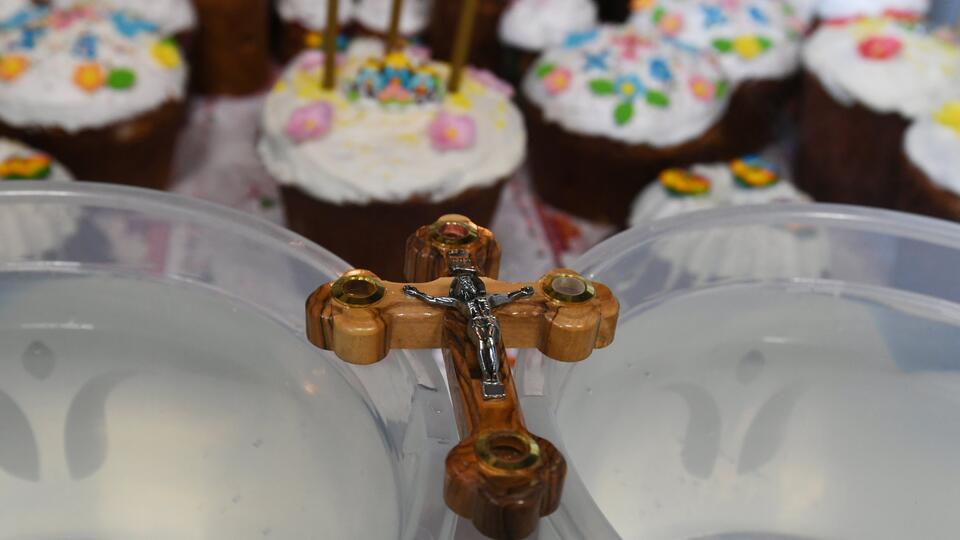
Фото: © Известия/Николай Сиденков
Что можно сделать в Чистый четверг:
- посетить церковь;
- исповедаться;
- сделать генеральную уборку;
- перестирать белье;
- разложить вещи по местам;
- выбросить ненужный хлам;
- помыться или сходить в баню;
- можно подстричься или покрасить волосы, посетить салон красоты и сделать косметические процедуры;
- сходить на кладбище, чтобы проведать усопших родственников;
- приготовить кулич (или купить) и мясные блюда;
- покрасить яйца.
Само название праздника говорит о том, что в этот день все должно быть чистым – и дом, и тело, и душа.
В Чистый четверг нельзя:
- ссориться и произносить бранную речь;
- устраивать громкие застолья;
- оставлять в доме грязь, пыль и немытую посуду;
- обрабатывать землю;
- гадать.
Пост в Чистый четверг
С точки зрения поста Страстная неделя является наиболее строгой. В Чистый четверг можно потреблять только растительную пищу без какого-либо масла, в том числе подсолнечного, оливкового и так далее. Разрешается есть овощи и фрукты, пресный хлеб и сухари.
Воспрещаются горячие блюда. Употребление мяса, рыбы, яиц, молочных продуктов остается под запретом.
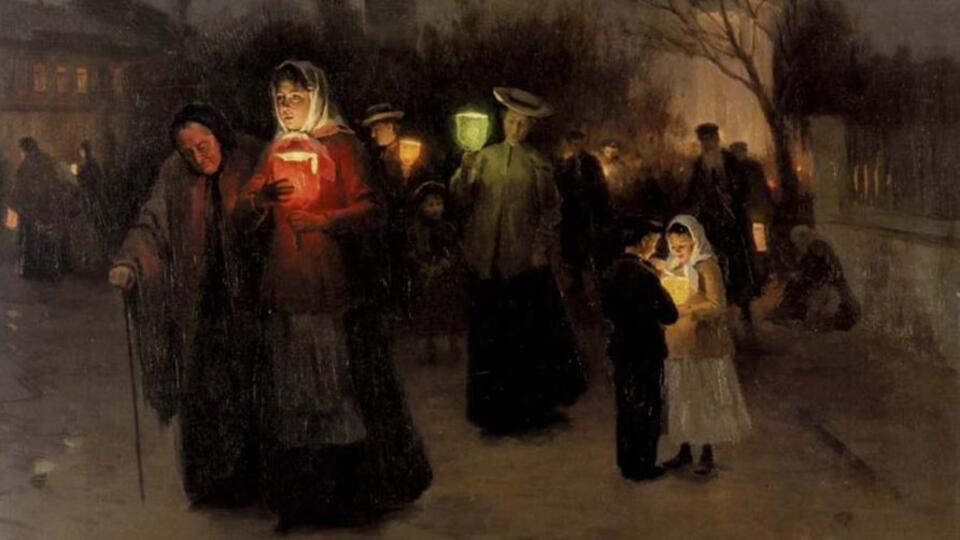
Фото: © Картина Николая Пимоненко «Страстный четверг». Wikimedia Commons
Народные обычаи в Чистый четверг
С древних времен люди верили, что некоторые действия и обряды могут уберечь их от злых сил. Так, например, чтобы снять с себя порчу, необходимо было умыться до заката, при это нужно приговаривать: «Смываю то, что на меня напустили, то, чем душа и тело мается, все Чистым Четвергом снимается».
Если девушка не могла выйти замуж, она во время уборки нашептывала: «Как светел и красен Чистый Четверг, так и я для всех буду прекрасной». Чтобы в семье не было ссор, на хлеб сыпали соль и говорили: «Солю, солю, посыпаю, счастье и покой в дом возвращаю».
В праздник соль считалась священным продуктом. Верующие насыпали горсть в небольшой мешочек и хранили в течение года. Согласно поверью, четверговая соль обретала целебные свойства.
Приблизительное время чтения: 1 мин.

Вопрос читателя:
Почему четверг считается днем Святителя Николая? И есть ли у остальных дней недели почитаемые святые?
Отвечает протоиерей Игорь Фомин:
Богослужебный круг Православной Церкви охватывает буквально каждый час времени с жизни человека. В течение всего года мы отмечаем и Господские праздники (посвященные Господу Иисусу Христу), и Богородичные (в честь Божией Матери), и посвященные памяти святых и важных для Церкви событий.
В малом, недельном, кругу, тоже есть свои чтимые святые. Понедельник посвящен ангелам и архангелам — некоторые верующие в этот день накладывают на себя пост в образ ангельского чина, который постится всегда и не вкушает вообще ничего, служа Богу. Вторник — это день памяти Иоанна Крестителя. В среду мы прославляем Божию Матерь, а еще — вспоминаем предательство, которое совершилось над Спасителем. В четверг мы чтим подвиг апостолов и Святителя Николая. Пятница — день распятия Христа, мы вспоминаем Крест Его. Суббота — день перед Воскресением Христовым, день Пресвятой Богородицы и Всех святых. И, наконец, воскресный день — Воскресенье Христово, малая Пасха.
Задать вопрос священнику
Вы хотите задать вопрос священнику? Для начала рекомендуем проверить, нет ли уже опубликованного ответа на аналогичный вопрос. Архив всех вопросов можно найти здесь. Если вы не нашли интересующего вас вопроса, задайте его через форму ниже. Обратите внимание: не все ответы публикуются на сайте. Если вы точно хотите получить ответ на свой вопрос, укажите е-mail — ответ придет вам на почту.
P.S. Священник, отвечающий вам в письме, может дать только общие рекомендации. Если вы хотите получить более подробный ответ по вашей личной ситуации, необходима личная встреча со священником.
Время ожидания ответа может быть различным в зависимости от сложности вопроса и загрузки отвечающих священников. Также в праздничные дни, дни особенной занятости священнослужителей (начало Великого поста, Страстная неделя, двунадесятые праздники и т.д.) ожидание ответа может занять более продолжительное время, чем обычно.